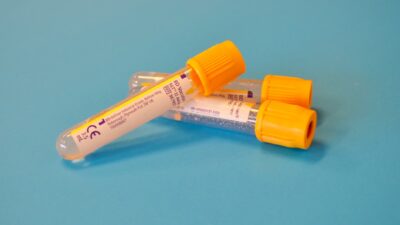
A “do I have diabetes” quiz cannot diagnose diabetes, but it can estimate your risk in about two minutes using the same factors doctors screen for. If your score suggests higher risk, the next step is a simple blood test — most often A1C — to confirm or rule out diabetes or prediabetes. Here is the quiz, how to score it, and what to do afterward.
The 2-Minute Diabetes Risk Quiz
This quiz is adapted from the validated risk assessments used by the American Diabetes Association and the CDC. Count the points for each “yes” answer.
| Question | Points |
|---|---|
| Are you age 40–49? | 1 |
| Are you age 50–59? | 2 |
| Are you age 60 or older? | 3 |
| Are you a man? | 1 |
| Do you have a parent, brother, or sister with diabetes? | 1 |
| Have you ever been diagnosed with high blood pressure? | 1 |
| Are you physically active fewer than 3 days per week? | 1 |
| Are you overweight (BMI 25–29) or obese (BMI 30+)? | 1–3 |
| Have you ever been told you had gestational diabetes? | 1 |
| Are you of African American, Hispanic/Latino, American Indian, Asian American, or Pacific Islander descent? | 1 |
What Your Score May Mean
- 0–4 points: Lower estimated risk. Maintain current habits and screen per your doctor’s schedule.
- 5 or more points: Higher estimated risk. The ADA suggests discussing diabetes screening with a clinician.
These thresholds are general guidance. Individual risk varies, and quiz scores are not diagnostic.
Why These Factors Matter
Each question on the quiz reflects a real, measurable risk factor identified in large epidemiologic studies:
- Age: Insulin sensitivity tends to decline with age, and pancreatic function can diminish.
- Family history: A first-degree relative with type 2 diabetes roughly doubles your risk, according to NIH data.
- BMI: Excess adipose tissue, especially around the abdomen, contributes to insulin resistance.
- Blood pressure: Hypertension clusters with insulin resistance in metabolic syndrome.
- Physical inactivity: Muscle contraction improves glucose uptake independently of insulin.
- Gestational diabetes: Up to half of women with a GDM history develop type 2 diabetes within 10 years.
- Ethnicity: Some populations have higher genetic susceptibility and disparities in care access.
Symptoms That Warrant a Test Regardless of Score
Classic symptoms of undiagnosed diabetes can appear even in people with “low” quiz scores, particularly in type 1 diabetes. See a clinician promptly if you notice:
- Frequent urination, especially at night
- Unusual thirst or dry mouth
- Unintentional weight loss
- Blurred vision
- Slow-healing cuts or frequent infections
- Unexplained fatigue
- Numbness or tingling in hands or feet
For more detail, see our guide on symptoms of prediabetes.
What Happens After a High-Risk Quiz Score
If your score suggests elevated risk, the usual next step is a blood test. According to the National Institute of Diabetes and Digestive and Kidney Diseases, the main diagnostic tests are:
| Test | Normal | Prediabetes | Diabetes |
|---|---|---|---|
| A1C | Below 5.7% | 5.7–6.4% | 6.5% or higher |
| Fasting plasma glucose | Below 100 mg/dL | 100–125 mg/dL | 126 mg/dL or higher |
| Oral glucose tolerance (2-hour) | Below 140 mg/dL | 140–199 mg/dL | 200 mg/dL or higher |
| Random plasma glucose (with symptoms) | — | — | 200 mg/dL or higher |
A diagnosis typically requires two abnormal test results, unless symptoms are clear and a random glucose is above 200 mg/dL. Learn more in our A1C levels guide.
How Accurate Are Online Diabetes Quizzes?
Risk calculators from the ADA and CDC have been validated against population-level prevalence data. Studies published in JAMA and Diabetes Care suggest these tools have reasonable sensitivity for identifying people who would benefit from testing, but their specificity is modest — meaning many flagged people will test negative.
Put simply: a positive quiz result is a signal to screen, not a verdict. A negative result does not rule out diabetes, especially if symptoms are present.
Who Should Get Screened Even Without a Quiz
The U.S. Preventive Services Task Force recommends screening for prediabetes and type 2 diabetes in adults aged 35–70 who have overweight or obesity. The ADA recommends screening all adults starting at age 35, and earlier with any risk factors. Screening is also suggested for:
- Adults of any age with BMI ≥ 25 and at least one risk factor
- Women with a history of gestational diabetes (every 1–3 years)
- Children and adolescents with obesity and additional risk factors
- People with HIV, on certain antipsychotic medications, or with polycystic ovary syndrome
If You Already Have Prediabetes
Prediabetes can often be reversed or delayed with sustained lifestyle changes. The CDC’s National Diabetes Prevention Program reports that structured programs combining modest weight loss (about 5–7% of body weight) and 150 minutes of weekly activity reduced type 2 diabetes incidence by roughly 58% in higher-risk adults. For more on how the process works, see is prediabetes reversible.
Limitations of Self-Assessment
Quizzes cannot capture:
- Specific lab values, including lipid panels and liver enzymes
- Rarer forms of diabetes (LADA, MODY, type 1 in adults)
- Medication side effects that can raise blood glucose
- Stress, sleep, and hormonal influences on glucose
Treat the quiz as a conversation starter, not a diagnosis.
The Bottom Line
A “do I have diabetes” quiz is a quick way to estimate your risk using the same factors clinicians screen for — age, weight, family history, activity, blood pressure, gestational diabetes history, and ethnicity. A score of 5 or more generally suggests it is worth requesting an A1C or fasting glucose test. If you have classic symptoms, get tested regardless of score. And if you land in the prediabetes range, structured lifestyle changes have been shown to substantially lower the risk of progression to type 2 diabetes.