Freestyle Libre 3 sensors are single-use continuous glucose monitoring devices from Abbott that measure interstitial glucose every minute for up to 14 days per sensor. Understanding how Freestyle Libre 3 sensors perform, fail, and interact with daily life helps you get full value from each 14-day wear.
What the Sensor Contains
A Libre 3 sensor is a small, coin-shaped disc that contains four key components in a water-resistant housing: a glucose-oxidase coated filament, a miniature electrochemistry board, a Bluetooth Low Energy radio, and a button battery that powers the electronics for the full 14-day life. A medical-grade adhesive pad secures the device to the skin. The entire assembly is about the size of two stacked US pennies and weighs around 5 grams.
Sensor manufacturing is FDA-inspected, and each lot undergoes factory calibration testing to ensure glucose readings match reference plasma values within labeled accuracy bounds. Unlike some older CGMs, Libre 3 does not require user calibration during wear.
How Glucose Measurement Works
Glucose in the interstitial fluid diffuses across the filament membrane and encounters glucose oxidase, which catalyzes oxidation to gluconic acid and hydrogen peroxide. The hydrogen peroxide produces a small electric current proportional to glucose concentration. Electronics sample that current every minute, apply temperature and drift corrections, and convert the signal to a glucose value in milligrams per deciliter.
Interstitial glucose tracks capillary glucose with a 5 to 15 minute lag. The lag shrinks during stable periods and widens when glucose rises or falls quickly, such as after a high-carbohydrate meal or during strenuous exercise. For users monitoring prediabetes through CGM, that lag rarely matters for pattern recognition but can matter if you compare to a simultaneous fingerstick reading.
Accuracy Metrics
The pivotal accuracy study for Libre 3 reported an overall mean absolute relative difference of 7.9% in adults across the glucose range. In plain terms, a sensor reading is typically within 8% of a laboratory reference. Accuracy is stratified in the table below by glucose range.
| Glucose Range (mg/dL) | MARD | Within 20% of Reference |
|---|---|---|
| Less than 70 | 11.2% | 89% |
| 70 to 180 | 7.1% | 95% |
| 181 to 300 | 7.8% | 96% |
| Over 300 | 8.3% | 94% |
| Overall | 7.9% | 93% |
Accuracy in the low range is somewhat worse, which is why clinical guidelines recommend fingerstick confirmation before treating hypoglycemia when symptoms do not match the sensor.
Wear Time and End-of-Life Handling
Each Libre 3 sensor is labeled for 14 days. The LibreLink app counts down wear time in the top corner. At hour 336, the sensor stops transmitting and no further data is recorded, even if the hardware still functions. There is no manufacturer-supported method to extend wear. When the sensor ends, peel from one edge slowly, using medical adhesive remover to avoid skin trauma, and dispose of the sensor according to local electronic waste guidelines.
A newer variant called Libre 3 Plus, cleared by the FDA in 2024, extends wear to 15 days and is gradually replacing the 14-day version in some distribution channels. Both operate identically from a user perspective.
Factors That Shorten Sensor Life
Real-world sensors sometimes end before their labeled wear time. Common causes include:
- Adhesive failure from heavy sweating, repeated water exposure, or skin oils
- Mechanical knock-off during sleep, sports, or tight clothing
- Electronics failure, which triggers an early end message in the app
- Sensor placement over scar tissue or heavily tattooed skin
- Signal interference from nearby high-power radio sources, though this is rare
Overpatches, site rotation, and avoiding tight clothing at the application site all extend typical wear.
What the Data Looks Like
The LibreLink app shows a scrolling glucose graph, a current reading, and a trend arrow. Weekly ambulatory glucose profile reports summarize time in target range, time above, time below, and glycemic variability metrics such as coefficient of variation. Many clinicians review these reports during appointments to guide decisions about prediabetes treatment plans or medication adjustments for diabetes.
Alarms and Shared Views
Libre 3 supports urgent low alarms at 55 mg per dL, configurable low and high alarms, and signal loss alarms. LibreLinkUp allows up to 20 designated contacts to view your glucose data in near real time, which is particularly useful for parents, spouses, and caregivers.
Interferences to Know
Certain substances can distort Libre 3 readings. High-dose vitamin C, typically above 500 mg per day, has been associated with falsely elevated glucose readings. Salicylic acid in high doses can produce similar artifacts. Acetaminophen generally does not interfere with Libre 3 sensors at typical doses, though very high doses have not been fully characterized. Hydroxyurea can also interfere.
When Fingersticks Still Matter
Even with a Libre 3 sensor on, fingerstick checks are useful to:
- Confirm hypoglycemia when sensor values disagree with symptoms
- Verify extreme high or low readings before any medication change
- Check glucose in the first hour of a new sensor if readings seem off
- Calibrate expectations during rapid glucose changes
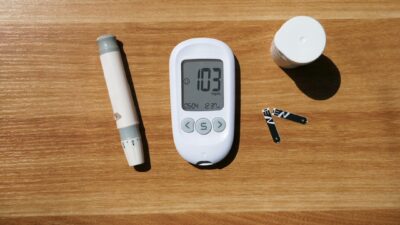
Keep a fingerstick meter available as a backup and understand how fingerstick data complements CGM data when reviewing A1C levels with your clinician.
Ordering Schedules and Backup Inventory
Most prescriptions are filled as two sensors per month. Because sensors occasionally fail, keeping at least one backup sensor at home prevents data gaps. Storage should be at 36 to 86 degrees Fahrenheit, away from direct sunlight. Do not freeze sensors, as freezing damages the enzyme chemistry.
The Bottom Line
Freestyle Libre 3 sensors deliver near-continuous glucose data for 14 days with strong accuracy, optional alarms, and a simple replacement process when failures occur. They pair with smartphones and with LibreView cloud reports for clinician review. The FDA 510(k) summary for Libre 3 details accuracy and indications. Talk with your clinician about whether Libre 3 wear fits your management goals and whether prescription CGM is the right tool for your situation.
This article is for educational purposes only and does not constitute medical advice. Always consult your healthcare provider for diagnosis and treatment decisions.