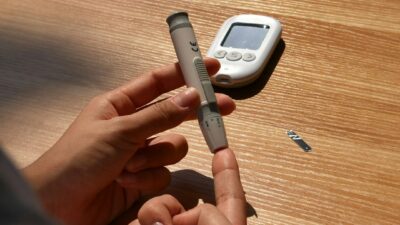
Gestational diabetes exercise is one of the most useful tools you have for managing blood sugar during pregnancy. Moving your muscles helps your body use glucose, and the American Diabetes Association (ADA) notes that exercise can improve blood sugar and reduce the need to start insulin. Most people can aim for about 30 minutes of moderate activity on most days, once their OB says it is safe.
Stop exercising and call your labor and delivery unit or go in now if you have any of these:
- Your baby is moving less than usual
- Vaginal bleeding
- Fluid leaking from the vagina
- Regular, painful contractions, especially before 37 weeks
- A severe headache, vision changes or sudden swelling of the face or hands, which can be signs of preeclampsia
Also stop and call your provider promptly for dizziness, chest pain, calf pain or swelling, belly pain or blurred vision.
Why Exercise Helps Gestational Diabetes
As pregnancy goes on, hormones from the placenta make your body more resistant to insulin. In gestational diabetes, your body cannot make enough extra insulin to keep up, and blood sugar rises. Physical activity helps because working muscles pull glucose out of the blood for fuel, and regular activity helps your body respond better to insulin.
The ADA Standards of Care say treatment for gestational diabetes starts with medical nutrition therapy, physical activity and weight management. A systematic review cited by the ADA found that exercise programs in gestational diabetes improved glucose results and reduced the need to start insulin or the insulin dose needed. The programs that worked varied widely, from 20 to 50 minutes a day, 2 to 7 days a week, at moderate intensity, and included aerobic exercise, resistance exercise or both. That means there is no single “best” workout. The best plan is one you can do safely and regularly.
Exercise also has benefits beyond blood sugar. According to the U.S. Office on Women’s Health, being active in pregnancy can ease backaches and constipation, may improve sleep and mood, and may help you return to a healthy weight after birth.
How Much Exercise to Aim For
| Goal | What it looks like |
|---|---|
| Weekly total | At least 150 minutes of moderate-intensity aerobic activity, spread through the week (ADA) |
| Daily pattern | About 30 minutes on most days, or shorter bouts such as three 10-minute walks |
| Intensity | Moderate, meaning you can talk but not sing; if you cannot talk, slow down |
| New to exercise | Start with 5 to 10 minutes and build up gradually with your provider’s guidance |
| Already very active | You may be able to continue vigorous activity if your pregnancy is healthy and your provider agrees |
Talk with your OB or midwife before you start, and again before any big change in how hard you exercise. ACOG Committee Opinion 804 says physical activity in pregnancy is safe and desirable when there are no obstetric or medical complications, but your provider needs to confirm that applies to you. The Office on Women’s Health notes that people with risk factors for preterm labor, vaginal bleeding or early rupture of membranes will usually be advised not to exercise.
Safe Exercise Options
Low-impact activities at a moderate effort work well for most pregnant people. MedlinePlus lists swimming, brisk walking and using an elliptical machine as safe ways to help control blood sugar and weight in gestational diabetes. Other good choices include:
- Walking. Easy to start, free and simple to fit around meals. Our guide on whether walking lowers blood sugar explains why it helps.
- Swimming and water aerobics. The water supports your weight and is gentle on joints.
- Stationary cycling. A lower fall risk than riding a bike outdoors, especially later in pregnancy.
- Dancing and low-impact aerobics. Prenatal classes adapt moves for a growing belly.
- Light strength training. Resistance exercise was part of some programs that improved glucose. Use lighter weights, avoid straining or holding your breath, and get your provider’s okay.
Exercises and Conditions to Avoid
The Office on Women’s Health advises avoiding these during pregnancy:
| Avoid | Why |
|---|---|
| Contact sports such as soccer, basketball, ice hockey and kickboxing | Risk of being hit in the abdomen |
| Horseback riding, downhill skiing and gymnastics | High risk of falling |
| Scuba diving | Gas bubbles can form in the baby’s blood |
| Exercising flat on your back after the first trimester | Can press on a large vein and reduce blood flow to the baby |
| Jerky, bouncing or high-impact moves | Loosened joints in pregnancy are easier to injure |
| Exercise above 6,000 feet | May reduce oxygen to the baby |
| Exercising in extreme heat or humidity | Risk of overheating and dehydration |
As your belly grows, your balance shifts. Jogging, outdoor cycling and racquet sports may become riskier in the third trimester even if you did them before pregnancy.
Timing Exercise Around Meals
Blood sugar usually peaks in the hour or two after you eat. Many people find that a short walk after meals helps with their after-meal readings. Your care team will tell you when to check, often 1 or 2 hours after meals. The ADA goals for gestational diabetes are a fasting level below 95 mg/dL (5.3 mmol/L), and either below 140 mg/dL (7.8 mmol/L) 1 hour after meals or below 120 mg/dL (6.7 mmol/L) 2 hours after meals. Some teams set individual targets, so follow yours. See our full guide to gestational diabetes blood sugar goals.
Keeping a simple log of what you ate, when you exercised and your readings can help your team fine-tune your plan. Exercise works best alongside a balanced eating plan. Our gestational diabetes diet guide covers the food side.
Exercising Safely if You Take Insulin
If diet and exercise alone do not keep your blood sugar in range, you may be prescribed insulin. Exercise makes insulin work harder, so lows become possible. A low blood sugar is generally a reading below 70 mg/dL (3.9 mmol/L). To lower the risk:
- Check your blood sugar before you exercise, as your care team advises.
- Carry a fast-acting carbohydrate, such as glucose tablets or juice, every time you exercise.
- Know the signs of a low, such as shakiness, sweating, a fast heartbeat, hunger or confusion, and stop to check if you feel them.
- Check again after longer or harder sessions, since lows can happen hours later.
- Ask your team how to time exercise with your insulin doses and meals.
Never skip or lower an insulin dose because you plan to exercise unless your prescriber has given you instructions for that. Our guide to insulin during pregnancy explains more.
Practical Tips for Staying Active
- Warm up slowly, build up gradually and cool down slowly.
- Drink fluids before, during and after exercise.
- Wear supportive shoes and a supportive bra.
- Take breaks when you feel tired, short of breath or uncomfortable.
- Break activity into short bouts if 30 minutes at once feels like too much.
- Plan for bad weather with indoor options such as mall walking or a stationary bike.
The Bottom Line
Gestational diabetes exercise is safe and helpful for most people once their provider approves it. Aim for about 150 minutes of moderate activity a week, choose low-impact options like walking and swimming, and avoid contact sports, fall risks and exercising flat on your back after the first trimester. If you use insulin, check your blood sugar and carry fast-acting carbs. Stop and call your provider right away for bleeding, fluid leakage, contractions or less fetal movement. For more ways to support healthy blood sugar, see our treatment hub.