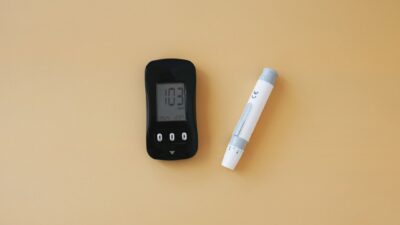
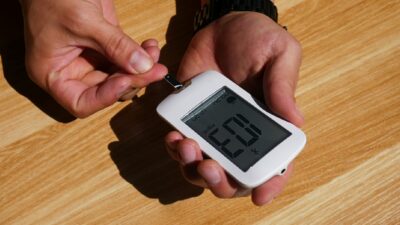
Morning fasting blood sugar is the glucose level measured first thing after at least 8 hours of not eating. A reading under 100 mg/dL is normal, 100 to 125 mg/dL signals prediabetes, and 126 mg/dL or higher on two separate mornings meets the criteria for diabetes. It is one of the simplest and most diagnostic single data points your body will give you.
What Morning Fasting Blood Sugar Tells You
Overnight, you are effectively fasting, and your liver releases just enough glucose to fuel your brain, heart, and organs until you eat again. In a healthy metabolism, insulin keeps pace and your wake-up glucose sits between about 70 and 99 mg/dL. When insulin signaling falters, that baseline drifts up. Morning fasting blood sugar therefore reflects how well your liver and pancreas are cooperating overnight, not how much dessert you had.
Target Ranges at a Glance
| Category | Fasting Plasma Glucose | A1C Equivalent |
|---|---|---|
| Normal | Under 100 mg/dL (under 5.6 mmol/L) | Under 5.7% |
| Prediabetes | 100 to 125 mg/dL (5.6 to 6.9 mmol/L) | 5.7 to 6.4% |
| Diabetes | 126 mg/dL or higher, on two tests | 6.5% or higher |
| Hypoglycemia | Under 70 mg/dL | N/A |
According to the American Diabetes Association, prediabetes and diabetes diagnoses require two abnormal results across separate samples unless an unambiguous hyperglycemia is present. For a deeper look at how fasting glucose maps to A1C, see our A1C Levels guide.
Why Morning Numbers Are Often the Highest of the Day
Many people are surprised to see their fasting blood sugar higher than readings taken after meals. The most common reason is the dawn phenomenon. In the pre-dawn hours, your body releases a cocktail of counter-regulatory hormones (cortisol, growth hormone, glucagon, and catecholamines) that signal the liver to pump out glucose in preparation for waking. In someone with good insulin sensitivity, insulin rises to match, and blood sugar stays steady. In prediabetes or type 2 diabetes, insulin lags, and glucose climbs into the 100 to 140 range even without food.
A less common cause is the Somogyi effect: an overnight low triggers a rebound hormonal surge that leaves you high by morning. This is mostly relevant for people on insulin or sulfonylureas. A CGM like Dexcom G7 or Freestyle Libre 3 Plus easily distinguishes the two by showing whether glucose stayed flat and rose in the morning (dawn phenomenon) or dropped low and rebounded (Somogyi).
How to Measure Morning Fasting Blood Sugar Correctly
- Fast for at least 8 hours. Water is fine; coffee, tea with sugar or milk, and food are not.
- Measure before you take your first sip of coffee, your first cigarette, or any medication.
- Wash and dry your hands. Residue from fruit, lotion, or hand sanitizer can skew meter readings.
- Warm your hand briefly if your fingers are cold; cold fingers give lower readings.
- Use the side of a fingertip, not the pad, to reduce soreness over time.
- Log the value with the time. Patterns across 7 to 14 days matter more than any single number.
Factors That Push Morning Fasting Glucose Up
- Dawn phenomenon (most common)
- Late-evening carbs or alcohol
- Poor sleep or short sleep (under 6 hours)
- Stress and elevated cortisol
- Certain medications (steroids, some antipsychotics, decongestants)
- Illness or infection
- Menstrual cycle phase (especially late luteal)
Factors That Help Normalize It
- A 10 to 20 minute walk after dinner
- Finishing dinner at least 3 hours before bed
- Lower-carb dinners with protein and fiber
- Consistent sleep of 7 to 9 hours in a cool, dark room
- Strength training 2 to 3 times a week (improves overnight insulin sensitivity)
- Weight loss of 5 to 7 percent if overweight
For broader lifestyle strategies that target fasting glucose, visit our Diet and Nutrition hub and Treatment hub.
Fingerstick vs CGM vs Lab: Which Reading to Trust
Home glucose meters are accurate to about plus or minus 15 percent of a lab value per current FDA standards. That means a morning reading of 110 could represent a lab value anywhere from roughly 94 to 126. For diagnosis, a venous lab draw is the reference. For day-to-day tracking, a meter or CGM is plenty, as long as you look at the pattern over a week or two and not any single value.
When to Talk to Your Doctor
Make an appointment if your morning fasting glucose runs 100 or above on multiple mornings, if you see values above 140 at any time while fasting, if you wake up with unexplained sweating or shaking (possible nocturnal hypoglycemia), or if you are pregnant or planning to be and your fasting number is above 95. Your clinician may order an A1C, an oral glucose tolerance test, or recommend a short course of CGM wear to map the overnight curve.
The Bottom Line
Morning fasting blood sugar is one of the cheapest, most telling snapshots of metabolic health you can take. Aim for under 100 mg/dL, watch the weekly trend rather than any single number, and if you are seeing the 100 to 125 range consistently, treat it as an early warning and act, through sleep, movement, evening carb timing, and a conversation with your clinician, before the number drifts into diabetes territory.
This article is for informational purposes only and is not a substitute for professional medical advice. Always discuss blood sugar results and any changes in your routine with your healthcare provider.