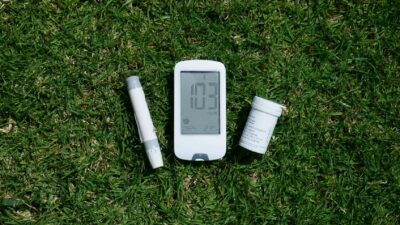
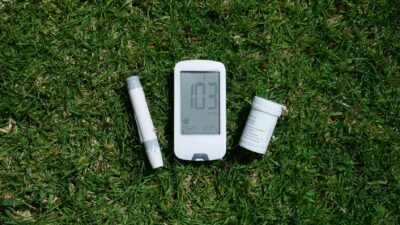
A postprandial glucose test measures blood sugar at a defined time after eating — typically 1 hour, 2 hours, or 3 hours after the first bite of a meal. The 2-hour value is the most commonly used. Normal 2-hour postprandial is under 140 mg/dL; impaired tolerance is 140 to 199 mg/dL; diabetes range is 200 mg/dL or higher. The test is most useful for monitoring meal-specific glucose patterns in already-diagnosed diabetes, evaluating CGM accuracy, and identifying postprandial spikes that A1C may miss.
What the Postprandial Glucose Test Measures
“Postprandial” simply means “after a meal.” A postprandial glucose test captures the body’s blood glucose response to eating — the magnitude and duration of the rise depend on the carbohydrate content of the meal, the rest of the macronutrient mix (protein, fat, fiber), the speed of gastric emptying, the activity of beta cells, and the insulin sensitivity of tissues.
The shape of a typical postprandial glucose curve in a non-diabetic adult:
- Time 0 (fasting): 70 to 99 mg/dL
- 30 to 60 minutes: peak, typically 120 to 160 mg/dL
- 2 hours: falling, typically under 140 mg/dL
- 3 hours: typically back to fasting baseline under 100 mg/dL
In type 2 diabetes, the peak is higher, occurs later (90 to 120 minutes), and stays elevated longer. In type 1 diabetes without mealtime insulin, the curve can be dramatically prolonged.
Diagnostic Cutoffs (2-Hour Value)
| 2-hour postprandial glucose (mg/dL) | Category | ADA classification |
|---|---|---|
| Under 140 | Normal | Normal glucose tolerance |
| 140 to 199 | Impaired | Impaired glucose tolerance (IGT, a form of prediabetes) |
| 200 or higher | Diabetes range | Provisional diabetes (confirm with repeat or additional testing) |
These cutoffs apply when the test is used diagnostically as part of an OGTT. For monitoring established diabetes, ADA targets are different (see below).
ADA Targets for Established Diabetes
| Population | Pre-meal glucose | Post-meal glucose |
|---|---|---|
| Most non-pregnant adults with diabetes | 80 to 130 mg/dL | Under 180 mg/dL at 1 to 2 hours |
| Tighter target (no hypoglycemia risk) | 80 to 110 mg/dL | Under 140 mg/dL at 2 hours |
| Older adults or significant complications | Up to 150 mg/dL | Under 200 mg/dL |
| Pregnancy (gestational or pre-existing) | Fasting under 95 mg/dL | Under 140 mg/dL 1h; under 120 mg/dL 2h |
These targets come from ADA Standards of Care, Sections 6 and 15. Individualize based on hypoglycemia risk, life expectancy, complications, and patient preference.
How a Postprandial Test Is Performed
- Start time: the clock starts at the first bite of the meal — not when you finish eating
- Meal composition: a real meal as you normally eat — not a special test drink. Note the macronutrient content if you can.
- Timing of measurement: 1 hour, 2 hours, or 3 hours after the first bite (depending on what you are evaluating)
- Measurement method: capillary fingerstick with a glucometer is most common at home; venous plasma glucose at a lab is more accurate; CGM gives continuous data
- Variability: postprandial glucose varies day to day even with the same meal — test 2 to 3 times before drawing conclusions about a specific food or pattern
When Postprandial Testing Is Useful
| Use case | Why postprandial helps |
|---|---|
| Identifying specific high-spike foods | Real meals reveal individual responses |
| Evaluating new diet patterns | Compare before/after dietary change |
| Checking CGM accuracy | Fingerstick at 2h validates CGM reading |
| Detecting dawn phenomenon | Pre-breakfast vs 2h post-breakfast pattern |
| Adjusting mealtime insulin dose | Reveals under- or over-dosing |
| Pregnancy diabetes management | Required for GDM/pre-existing diabetes per ADA |
| Detecting LADA progression | Rising postprandial values suggest beta-cell decline |
| Tailoring meal portion or composition | Personalized glycemic response |
1-Hour vs 2-Hour vs 3-Hour Testing
| Timepoint | What it captures | Best use |
|---|---|---|
| 1 hour postprandial | Near-peak glucose response | Pregnancy diagnosis (GDM 1h); rapid spike detection |
| 2 hours postprandial | Tail of glucose response; should be back near baseline in non-diabetic | Standard ADA monitoring target |
| 3 hours postprandial | Recovery to baseline; reactive hypoglycemia evaluation | Reactive hypoglycemia workup; some bariatric patterns |
Postprandial Glucose vs OGTT
| Feature | OGTT | Postprandial glucose |
|---|---|---|
| Glucose load | Standardized 75 g pure glucose drink | Real meal of any composition |
| Used for | Diagnosing diabetes and prediabetes | Monitoring established diabetes; pattern profiling |
| Timing | Fixed 2 hours from drink | 1, 2, or 3 hours from first bite of meal |
| Standardization | Highly standardized | Meal-dependent |
| Tolerability | Often causes nausea | Same as eating a normal meal |
| Reproducibility | Modest day-to-day | Highly meal-dependent |
Real-Meal vs Test-Drink Differences
A real meal differs from a 75-gram glucose drink in several ways that affect the postprandial curve:
- Protein: slows gastric emptying, blunts the peak
- Fat: slows gastric emptying, prolongs the tail
- Fiber: slows starch digestion, lowers the peak
- Particle size and processing: highly processed foods spike faster than whole foods
- Resistant starch: cooled and reheated rice or potatoes have lower postprandial peaks than freshly cooked
- Acid (vinegar, citrus): blunts the postprandial rise by 20 to 30 percent
- Order of food: eating vegetables and protein before carbs lowers the peak
CGM and Postprandial Patterns
Continuous glucose monitors capture the full postprandial curve, not just a single timepoint. Useful CGM metrics related to postprandial glucose:
- Time in range (70 to 180 mg/dL): ADA target is greater than 70 percent for most adults with diabetes
- Time above range (over 180): target less than 25 percent
- Peak postprandial glucose: review after each meal
- Glycemic variability: coefficient of variation under 36 percent is ADA goal
- Postprandial duration: time spent over 180 after a meal
Reactive Hypoglycemia Pattern
A specific use of postprandial testing is evaluating reactive hypoglycemia — symptoms of low blood sugar 2 to 4 hours after eating. The classic pattern:
- Normal fasting glucose (70 to 99 mg/dL)
- High 1-hour postprandial (often over 200 mg/dL — exaggerated insulin response)
- Low 3- to 4-hour postprandial (often under 70 mg/dL with symptoms)
This pattern is also seen after bariatric surgery (post-bariatric hypoglycemia or “late dumping”). Self-monitoring at 1, 2, and 3 hours postprandial during a symptomatic episode is essential for the workup.
Self-Monitoring Schedules
| Diabetes type / situation | Suggested frequency |
|---|---|
| T2D on diet/metformin, A1C at goal | Pre-breakfast plus 2h post-breakfast twice a week |
| T2D on mealtime insulin | Pre-meal and 2h post-meal daily |
| T1D on multiple daily injections | Pre-meal and 2h post-meal multiple times daily; ideally CGM |
| Pregnancy (GDM or pre-existing) | Fasting + 1h or 2h post each meal daily |
| Prediabetes with motivation | 2h post-breakfast 2 to 3 times a week for pattern profiling |
| Reactive hypoglycemia workup | 1h, 2h, 3h post-meal during episodes |
Limitations and Pitfalls
- Meal-dependent: same patient, different meal, different result. Note the meal composition.
- Day-to-day variability: a single high reading does not equal a pattern. Repeat 2 to 3 times.
- Fingerstick accuracy: capillary glucometers have 10 to 15 percent error margin.
- Time stamp matters: 2 hours from first bite, not from end of meal.
- Not a stand-alone diabetes diagnostic: use OGTT, A1C, or fasting glucose for diagnosis.
- Stress and illness: acute stress or infection elevates glucose regardless of food.
- Steroid medications: dramatically elevate postprandial glucose.
- Alcohol with meals: can paradoxically lower postprandial glucose (delayed hepatic gluconeogenesis).
Related Reading
See our broader guides on detection of prediabetes, A1C levels, 1,5-anhydroglucitol, mixed meal tolerance test, and fasting insulin testing.
The Bottom Line
The postprandial glucose test is a simple, flexible tool for evaluating glucose response to meals. The standard 2-hour cutoffs are under 140 mg/dL (normal), 140 to 199 (impaired), and 200 or higher (diabetes range). For established diabetes, ADA targets are 1- to 2-hour postprandial under 180 mg/dL, with tighter targets for pregnancy. Postprandial testing differs from the OGTT in that it uses real meals rather than a standardized glucose drink — making it ideal for monitoring patterns, evaluating specific foods, calibrating CGM data, and adjusting mealtime insulin. Use it in combination with A1C and fasting glucose for a complete picture. Talk to your doctor about the right testing schedule for your situation and what your specific values mean for therapy.