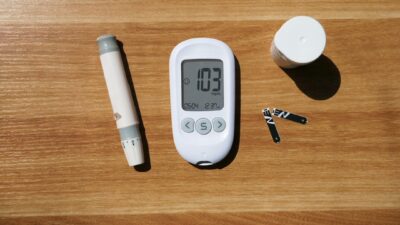
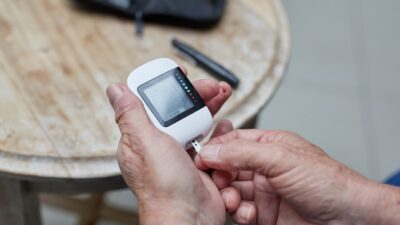
The Precision Xtra is a handheld meter from Abbott that measures both blood glucose and blood beta-hydroxybutyrate (BHB) ketones from a fingerstick sample. It is the most commonly used at-home blood ketone meter and is significantly more accurate than urine ketone strips. Ketone testing matters most for people with type 1 diabetes, anyone taking an SGLT2 inhibitor, and users of strict ketogenic diets.
What the Precision Xtra Actually Does
The device uses two separate strip types. Glucose strips measure plasma glucose in mg/dL. Ketone strips measure beta-hydroxybutyrate — the dominant circulating ketone body — in mmol/L. You cannot use one strip type for both measurements. The meter reads the strip type automatically and applies the correct calculation.
Blood vs Urine Ketone Testing
| Feature | Blood Ketones (BHB) | Urine Ketones (Acetoacetate) |
|---|---|---|
| Primary ketone measured | Beta-hydroxybutyrate | Acetoacetate |
| Timing accuracy | Real-time | Hours delayed |
| Sensitivity to early ketosis | High | Low |
| Early DKA detection | Reliable | Often falsely reassuring |
| Cost per test | $3 to $5 | $0.10 to $0.25 |
| Pain | Small fingerstick | Painless, urine required |
The clinical bottom line: when early ketone detection matters — such as a sick day with type 1 diabetes, or unexplained illness on an SGLT2 inhibitor — blood testing is worth the extra cost and minor fingerstick.
Reading BHB Values
| BHB (mmol/L) | Interpretation |
|---|---|
| Less than 0.6 | Normal |
| 0.6 to 1.5 | Elevated — common in fasting, low-carb diets, or early illness |
| 1.5 to 3.0 | Moderate — nutritional ketosis range for keto dieters; concerning for people with diabetes who also have high glucose |
| Greater than 3.0 | High — risk of diabetic ketoacidosis in people with diabetes; call your doctor immediately |
Interpretation always depends on context: a keto dieter running at 2.0 mmol/L after 14 hours of fasting is expected; a person with type 1 diabetes at 2.0 mmol/L with glucose of 280 mg/dL and nausea needs urgent evaluation.
How to Use the Precision Xtra
- Wash and dry hands; avoid hand lotion residue that can contaminate the sample.
- Insert a fresh strip — glucose or ketone — into the meter. Wait for the sample icon.
- Lance the side of a fingertip with the lancing device; a side-of-finger draw hurts less than the pad.
- Touch the strip tip to the blood drop and let the strip wick the sample.
- Read the result. The meter stores it with a time and date stamp.
- Dispose of the lancet safely in a sharps container.
Who Benefits From Blood Ketone Testing
- Type 1 diabetes: test with any unexplained hyperglycemia above 250 mg/dL, nausea, vomiting, abdominal pain, fruity-smelling breath, or during any illness (sick-day rules).
- SGLT2 inhibitor users: test with any feeling of being unwell — these drugs can cause euglycemic DKA at glucose levels that look normal.
- Gestational diabetes: occasionally used for morning fasting checks.
- Ketogenic or fasting-focused diets: to confirm and troubleshoot nutritional ketosis.
- Hospitalized patients: paired with glucose as part of diabetes management.
For a broader look at diabetes monitoring tools, see our detection of prediabetes hub.
Strips, Storage, and Shelf Life
- Store strips in their original vial with the cap tightly closed; moisture inactivates the enzymes.
- Do not use strips past the printed expiration date or more than 3 months after opening the vial (mark the open date on the vial).
- Keep the meter and strips at room temperature between 50°F and 95°F (10°C to 35°C); extreme heat in a car can damage strips.
- Code the meter if your model requires it — some older Precision Xtra units need lot-number coding for each new vial.
Limits of Meter Ketone Testing
The meter is excellent for trending but has three limitations worth knowing:
- It only reads beta-hydroxybutyrate; in some advanced DKA, acetoacetate levels dominate and BHB values can underestimate severity.
- Strip errors can occur if the sample is too small — always add more blood when prompted rather than ignoring the message.
- Values near the diagnostic boundary (0.6 mmol/L) can vary by 10 to 15 percent run-to-run; repeat and compare context.
When to Get Help
Call your doctor or go to the emergency department if your Precision Xtra shows:
- BHB above 3.0 mmol/L in a person with type 1 or type 2 diabetes
- Any BHB above 1.5 mmol/L with nausea, vomiting, rapid breathing, fruity breath, or abdominal pain
- Moderate ketones with blood glucose above 250 mg/dL and symptoms of illness
- Any ketone elevation while on an SGLT2 inhibitor and feeling unwell, regardless of glucose
Understanding how ketone testing fits alongside A1C levels and glucose monitoring is part of complete diabetes self-care.
The Bottom Line
The Precision Xtra is a reliable and widely available at-home blood ketone and glucose meter. Blood ketone testing is far more accurate than urine strips and is worth the added strip cost for anyone with type 1 diabetes, on an SGLT2 inhibitor, or doing a serious ketogenic diet. Know your BHB ranges, keep the strips sealed and in-date, and call your doctor promptly when ketones are elevated alongside symptoms.