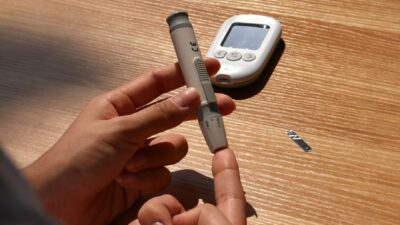
“GLP online” typically refers to telehealth services that prescribe GLP-1 receptor agonist medications like semaglutide and tirzepatide. These platforms evaluate you virtually, and if a licensed clinician determines the medication is appropriate, they send a prescription to a partnered pharmacy. Done well, online GLP-1 prescribing expands access. Done poorly, it introduces risks the FDA has repeatedly warned about.
What GLP-1 Drugs Are
GLP-1 receptor agonists mimic glucagon-like peptide-1, a hormone released by the gut after meals. They stimulate insulin release when glucose is high, slow gastric emptying, and signal fullness to the brain. FDA-approved GLP-1 drugs include semaglutide (Ozempic and Rybelsus for type 2 diabetes, Wegovy for chronic weight management), liraglutide (Victoza, Saxenda), dulaglutide (Trulicity), and exenatide (Byetta, Bydureon). Tirzepatide (Mounjaro for type 2 diabetes, Zepbound for weight management) is a dual GIP/GLP-1 receptor agonist with similar effects.
These drugs are approved for type 2 diabetes or for chronic weight management in adults who meet BMI-based criteria. None is currently FDA-approved specifically for prediabetes.
How Online GLP-1 Prescribing Works
Most legitimate online GLP-1 services follow a similar pattern. You complete an intake questionnaire covering medical history, current medications, and goals. You may be asked to upload recent lab work or have it drawn at a partner lab. A licensed clinician — physician, nurse practitioner, or physician assistant — reviews the intake and, in many states, conducts a video or phone visit. If the medication is appropriate and no contraindications are present, a prescription goes to a partner pharmacy.
Follow-up visits, usually monthly, check progress, screen for side effects, and adjust the dose. Reputable platforms require these check-ins before refilling. Some include access to a registered dietitian or nurse for ongoing questions.
Legitimate vs. Questionable Online Services
| Feature | Legitimate Service | Questionable Service |
|---|---|---|
| Medical evaluation | Real clinician reviews intake and does video/phone visit | Forms processed automatically |
| Prescriber licensing | Licensed in your state | Vague or absent state licensing information |
| Pharmacy | NABP or VIPPS accredited | Unaccredited or offshore |
| Product | FDA-approved brand-name drugs | Compounded GLP-1 from 503A pharmacies or unclear source |
| Follow-up | Monthly visits required for refills | Automatic shipments without check-in |
| Lab work | Recent labs reviewed | No labs requested |
Use this table as a quick audit of any service you are considering.
Why FDA-Approved vs. Compounded Matters
During periods of shortage, compounding pharmacies have produced semaglutide and tirzepatide products marketed through online clinics. These products are not FDA-approved. They are compounded under different regulations than brand-name manufactured drugs. The FDA has published warnings about adverse events tied to compounded versions, including overdoses from unfamiliar dosing units and salt forms that are not authorized for use.
If cost is a barrier, start with your clinician or a service that bills insurance for brand-name products. Manufacturer savings cards (NovoCare, Lilly) can reduce costs for eligible patients. If you still choose a compounded route, verify the pharmacy’s state licensing and ask about the source and purity testing of the active ingredient.
Cost and Coverage
Brand-name GLP-1 drugs retail for roughly $900 to $1,500 per month in the United States. Coverage varies dramatically: insurance often covers Ozempic for type 2 diabetes but denies Wegovy for weight loss. Manufacturer coupon programs can reduce out-of-pocket costs for eligible patients. Compounded products sold through online clinics typically cost $150 to $500 per month but lack FDA approval.
Before starting, ask specifically: what product will you be shipped, what is the active ingredient source, who is the prescribing clinician, and what is the monthly total cost including consultations?
Is a GLP-1 Right for You?
Decisions about starting GLP-1 therapy should weigh benefits (weight loss, A1C reduction, cardiovascular risk reduction in some populations) against side effects (nausea, constipation, rare pancreatitis, boxed warning for thyroid C-cell tumors in animal studies) and cost. A thorough evaluation considers your medical history, current medications, kidney function, and contraindications such as a personal or family history of medullary thyroid carcinoma.
Many people find they also need attention to diet, movement, and sleep to maximize benefit and sustain weight loss after stopping. Ongoing lifestyle work is part of most legitimate clinical treatment plans, not a substitute for the medication.
Red Flags to Walk Away From
Stop and reconsider if a service prescribes without requiring any medical evaluation, ships product from an offshore or unaccredited pharmacy, does not require follow-up visits, cannot name the prescribing clinician or their state license, sells “research chemicals” or “not for human use” semaglutide, or pressures you with countdown timers or limited-time offers. Price that seems too low compared with the market often reflects quality or legal corners being cut.
If anything feels off, stop the transaction and consult a primary care clinician or endocrinologist. Your safety is worth more than convenience.
The Bottom Line
Online GLP-1 prescribing can be a legitimate way to expand access to effective medications for diabetes and obesity when delivered by licensed clinicians through accredited pharmacies with FDA-approved products. Shortcuts — compounded products from unaccredited sources, automatic shipments without medical review — introduce real risks. Verify licensing, accreditation, and product authenticity before starting, and stay under the care of a clinician who can monitor side effects and adjust your plan over time.
Medical disclaimer: This article is for educational purposes only and does not replace medical advice. Always consult a qualified healthcare provider before starting, stopping, or changing any medication.