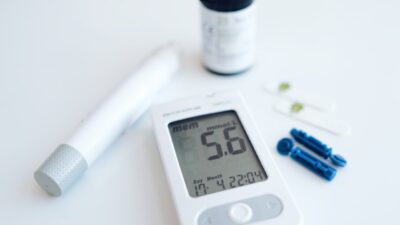
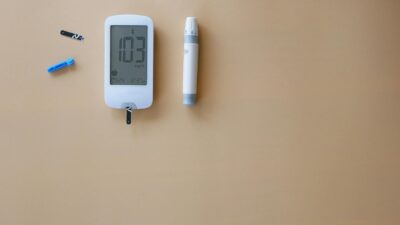
A glucose 103 mg/dL reading is prediabetes if it was taken after an overnight fast. It sits 3 mg/dL above the 100 mg/dL fasting cutoff, placing it in the lower end of the prediabetes range of 100 to 125. If 103 was random or post-meal, it is normal and requires no action. Context matters more than the number itself.
What Glucose 103 Means by Context
| When Measured | 103 mg/dL Means |
|---|---|
| Fasting (8+ hours no food) | Prediabetes (lower range) |
| 2 hours after meal | Normal (under 140) |
| Random (any time) | Normal (under 200 is not diabetic) |
| 2-hour OGTT | Normal (under 140) |
| Pregnant (fasting) | Borderline, follow OGTT protocol |
The 100 mg/dL fasting cutoff was set by the American Diabetes Association in 2003 after evidence showed that adults with fasting glucose between 100 and 125 had double the progression risk to type 2 diabetes compared to those under 100, even when A1C was normal.
Where 103 Fits on the Fasting Glucose Scale
| Fasting Glucose | Category |
|---|---|
| Under 100 mg/dL | Normal |
| 100-125 mg/dL | Prediabetes (impaired fasting glucose) |
| 103 mg/dL | Prediabetes (lower range) |
| 126 mg/dL or higher | Diabetes (confirmed x2) |
Should You Worry About 103?
If fasting, 103 is a yellow light, not a red one. It means your overnight glucose production is slightly elevated, typically because the liver is releasing a bit too much glucose between midnight and breakfast while insulin is less effective at suppressing that release. This pattern almost always reverses with modest lifestyle change.
The progression data are reassuring for the lower prediabetes range. According to the Diabetes Prevention Program published in the New England Journal of Medicine, adults with fasting glucose 100-125 mg/dL had an 11 percent annual progression risk to type 2 diabetes on placebo, but only 4.8 percent in the lifestyle arm. That is a 58 percent reduction. For a full overview, see our prediabetes hub.
Confirm Before You Act
Because fasting glucose can vary 10-15 mg/dL day to day based on sleep, stress, illness, and even the precise time of the blood draw, a single 103 result should be confirmed before it is labeled prediabetes. Options:
- Repeat fasting glucose on a different morning, ideally within 1-2 weeks.
- A1C to see the 3-month average (normal under 5.7 percent, prediabetes 5.7-6.4).
- Oral glucose tolerance test for a 2-hour post-load reading if your fasting is borderline but A1C is unclear.
If two of the three tests meet prediabetes criteria, the diagnosis is confirmed. If only one is borderline and the others are normal, the clinical picture is often called “isolated impaired fasting glucose” and still benefits from lifestyle change. Read more about testing at our A1C levels hub.
What Drives a Fasting Glucose of 103
Fasting glucose primarily reflects what happens between midnight and breakfast. During that window, your liver releases glucose to fuel the brain and other tissues while you sleep. Insulin normally keeps this release tightly matched to need. When hepatic insulin resistance develops (the liver becomes less responsive to insulin), glucose release runs a little high, and morning fasting values rise.
Common contributors to a slightly elevated fasting glucose:
- Visceral fat accumulation (central abdominal fat)
- Short or poor-quality sleep, which raises cortisol
- Late-night high-carb eating
- Alcohol in the evening (can raise or lower morning glucose depending on amount)
- Physical inactivity
- Dawn phenomenon, a natural morning cortisol-driven glucose rise that becomes more pronounced with insulin resistance
How to Lower Fasting Glucose to Under 100
Most people with a fasting glucose of 103 can return to normal in 3-6 months. The interventions are the same as for broader prediabetes reversal but with special emphasis on evening habits:
- Evening walk. A 20-30 minute walk after dinner can reduce next-morning fasting glucose by 5-15 mg/dL.
- Carbohydrate quality at dinner. Swap white rice, pasta, or bread for legumes, quinoa, sweet potato, or extra vegetables. Post-dinner glucose sets the trajectory for overnight values.
- Stop eating 3 hours before bed. Late-night snacking raises overnight glucose and fasting values.
- Weight loss. 5-7 percent of body weight typically lowers fasting glucose 5-10 mg/dL.
- Sleep. 7-9 hours, consistent timing. Screen for sleep apnea if you snore.
- Resistance training. Twice weekly. Muscle mass improves insulin sensitivity across all times of day.
See our diet and nutrition guide for specific food swaps.
When to See a Doctor
Schedule a visit if:
- Two consecutive fasting glucose values are at or above 100
- A1C is 5.7 percent or higher
- You have risk factors like BMI over 30, family history of type 2 diabetes, gestational diabetes history, or hypertension
- You have symptoms such as increased thirst, frequent urination, unexplained weight loss, or new fatigue
Your clinician may order a full metabolic panel, lipid profile, and A1C to characterize overall cardiometabolic risk.
The Bottom Line
Fasting glucose 103 mg/dL is lower-range prediabetes, 3 points above the normal cutoff and 23 points below the diabetes threshold. Confirm with a repeat test or A1C before labeling. For most people, 5-7 percent weight loss, 150 minutes of weekly activity, better sleep, and an evening walk return fasting glucose to under 100 within 3-6 months. A 103 reading is an early signal, not a diagnosis of diabetes, and it is reversible.