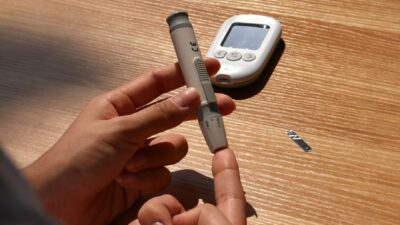
A fasting glucose of 104 mg/dL puts you in the prediabetes range (100-125 mg/dL) according to the American Diabetes Association. This means your body is starting to struggle with insulin regulation overnight, but it is not yet diabetes. With focused action, most people can return to normal fasting numbers within 3-6 months.
Understanding the Fasting Glucose Scale
Fasting plasma glucose is measured after at least 8 hours without food or caloric drinks. Standard diagnostic cutoffs are:
| Fasting Glucose (mg/dL) | Category |
|---|---|
| Below 100 | Normal |
| 100 – 125 | Prediabetes (impaired fasting glucose) |
| 126 or higher (two tests) | Type 2 diabetes |
A result of 104 mg/dL sits at the lower end of the prediabetes range, which is often the easiest zone from which to reverse course.
Why Fasting Glucose Rises
Your liver releases glucose overnight to keep brain and organ function steady. When you become insulin resistant, that output is not adequately suppressed, and morning glucose drifts higher. Common drivers of early insulin resistance include:
- Excess visceral (belly) fat
- Sedentary lifestyle
- Short or poor-quality sleep
- Chronic stress
- Genetics and family history
- Certain medications (steroids, some antipsychotics)
Is a Single Reading of 104 Enough to Diagnose Prediabetes?
No. A diagnosis of prediabetes requires confirmation, either through a repeat fasting glucose, an A1C test, or an oral glucose tolerance test (OGTT). Factors that can falsely elevate one reading include:
- Incomplete overnight fast
- Strenuous exercise the evening before
- Illness or infection
- Lab or home meter variability
Ask your doctor to order a repeat fasting test plus an A1C to clarify the picture.
What a Glucose of 104 Means for Your Long-Term Health
According to the CDC, people with prediabetes face:
- A 5-10 percent annual risk of progressing to type 2 diabetes
- Higher risk of heart attack and stroke
- Possible early kidney or retinal changes
Catching the trend at 104 mg/dL is a significant advantage. See our broader prediabetes 101 hub for a full overview of the condition.
Six-Step Plan to Bring Fasting Glucose Below 100
1. Rework Your Dinner Plate
Heavy carb dinners drive overnight glucose. Build evening meals around protein, vegetables, and a small portion of intact carbs (quinoa, lentils, sweet potato).
2. Walk After Dinner
A 15-minute walk after your evening meal noticeably lowers next-morning fasting glucose in multiple small trials.
3. Improve Sleep Consistency
Go to bed and wake up within a 30-minute window. Aim for 7-9 hours. Poor sleep directly raises fasting insulin resistance.
4. Lose 5 Percent of Body Weight
For a 180-pound adult, that is 9 pounds. Targeting visceral fat through diet and strength training has outsized effects.
5. Add Strength Training
Two sessions per week of resistance exercise increase glucose disposal by skeletal muscle.
6. Manage Stress
Cortisol is a glucose-raising hormone. Walking, slow breathing, and limiting evening stimulants help.
Foods That Support Fasting Glucose Improvement
| Category | Examples | Why They Help |
|---|---|---|
| High-fiber vegetables | Broccoli, spinach, peppers | Blunt glucose absorption |
| Legumes | Lentils, chickpeas, black beans | Soluble fiber improves A1C |
| Lean protein | Chicken, fish, eggs, tofu | Stabilizes glucose at meals |
| Healthy fats | Olive oil, avocado, nuts | Improve insulin sensitivity |
| Berries | Blueberries, raspberries | Low glycemic; anthocyanins |
For meal patterns, visit our diet and nutrition resources.
When to Retest
Retest fasting glucose in 4-6 weeks after consistent changes. Retest A1C every 3-6 months. If values continue to climb, speak with your clinician about whether metformin or other interventions make sense.
The Bottom Line
A fasting glucose of 104 mg/dL is an early warning, not a crisis. It places you at the low end of prediabetes, a range that responds well to modest diet, activity, sleep, and weight changes. Confirm the result with a repeat test and A1C, make the lifestyle shifts outlined above, and retest in 3 months. Most people who act quickly bring their fasting glucose back under 100 and lower their long-term risk of type 2 diabetes substantially.