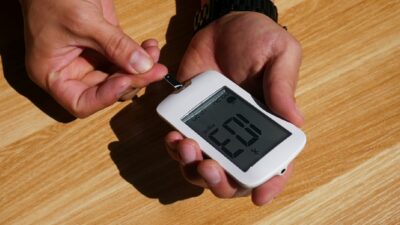
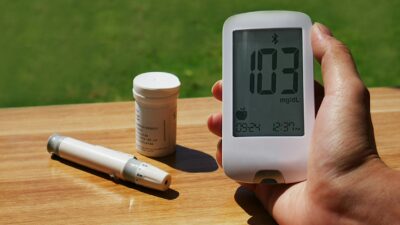
A glucose reading of 120 mg/dL carries very different meaning depending on when it was taken. Fasting, 120 mg/dL lands in the prediabetes range of 100 to 125 mg/dL. One to two hours after a meal, 120 mg/dL is within the normal post-meal range for most adults. A random reading of 120 mg/dL is generally reassuring on its own. Interpretation always depends on context, and a single measurement rarely tells the full story.
Why Context Determines Meaning
Blood glucose fluctuates throughout the day in response to food, activity, stress, and sleep. The reference ranges clinicians use are calibrated for specific scenarios: fasting (no food for at least eight hours), post-meal (measured one or two hours after the first bite), random (any time of day), and oral glucose tolerance test (OGTT, a standardized 75-gram drink measured at 2 hours). A 120 mg/dL value that would be unremarkable at one hour after lunch becomes clinically relevant if it shows up first thing in the morning.
Reference Ranges for Glucose 120
The table below shows how the 120 mg/dL reading compares to diagnostic thresholds across common testing situations. Data draws from the American Diabetes Association’s diagnostic criteria.
| Test Scenario | Normal | Prediabetes | Diabetes | Is 120 mg/dL in Range? |
|---|---|---|---|---|
| Fasting glucose | Under 100 mg/dL | 100 to 125 mg/dL | 126 mg/dL or higher | Prediabetes range |
| 2-hour OGTT | Under 140 mg/dL | 140 to 199 mg/dL | 200 mg/dL or higher | Normal |
| Random (anytime) | Under 140 mg/dL | Generally under 200 mg/dL | 200 mg/dL or higher with symptoms | Normal |
| Post-meal, 1 to 2 hours (no diabetes) | Under 140 mg/dL | — | — | Normal |
| Post-meal, 1 to 2 hours (diabetes target) | Under 180 mg/dL (ADA goal) | — | — | Comfortably in range |
Fasting 120 — What It Usually Means
A consistent fasting reading around 120 mg/dL signals impaired fasting glucose, one of the diagnostic categories for prediabetes. The liver is releasing more glucose overnight than the body can clear, often because of insulin resistance. The dawn phenomenon — a rise in cortisol, growth hormone, and glucagon in the early morning — amplifies the effect. Fasting glucose tends to move slowly in response to lifestyle changes, so patience matters.
For a fuller picture of where you stand, pair the fasting reading with an A1C. Our A1C levels guide shows the corresponding average glucose for each A1C value. A 120 mg/dL fasting reading aligns roughly with an A1C around 5.8 to 6.0 percent, which is prediabetes.
Post-Meal 120 — A Reassuring Pattern
Seeing 120 mg/dL one to two hours after a meal is a good sign for most adults. Healthy glucose metabolism keeps the peak under 140 mg/dL and returns to baseline within three hours. If your typical post-meal reading is 120 mg/dL and fasting sits below 100 mg/dL, your overall glucose pattern is in the normal range, and your risk of progression to prediabetes is low for the moment.
How Accurate Is a 120 mg/dL Reading?
Home glucose meters are allowed up to 15 percent variation from a reference lab value under FDA accuracy rules. That means a reading of 120 mg/dL on a meter could reflect a true value anywhere from about 102 to 138 mg/dL. Lab venous glucose drawn in a fasting state is more precise and is the preferred test when a diagnosis is being confirmed. Single readings are noisy; patterns across several days or weeks are signal.
What to Do About a Fasting 120
If your fasting glucose has crept to around 120 mg/dL, a few steps typically move it back down.
- Add a post-dinner walk of 15 to 20 minutes, which lowers overnight glucose for many people.
- Shift dinner earlier when possible and keep carb portions modest.
- Prioritize seven to nine hours of sleep in a dark, cool room.
- Add fiber — vegetables, beans, and whole grains — to at least two meals a day.
- If weight loss is appropriate, aim for 5 to 7 percent of body weight; fasting glucose often falls proportionally.
- Ask your clinician about confirming with A1C and ruling out other contributors such as medications or sleep apnea.
When to Talk With Your Clinician
Any fasting glucose reading in the 100 to 125 mg/dL range deserves a conversation, even without symptoms. Prediabetes is the last point at which progression can be reliably slowed or reversed, and early action produces the best outcomes. If fasting readings climb above 126 mg/dL on two separate tests, that meets criteria for diabetes. Your clinician can order the appropriate confirmatory tests and build a plan that fits your health context.
The Bottom Line
Glucose 120 mg/dL is a number whose meaning is shaped entirely by context — prediabetes when fasting, normal when post-meal, and generally reassuring when random. A single reading is a data point, not a diagnosis. Confirm with A1C or repeat testing, pay attention to trends rather than individual numbers, and act early with diet, activity, and sleep adjustments if fasting values hover around the prediabetes threshold.