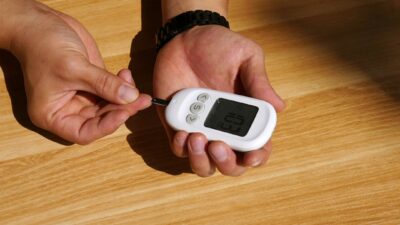
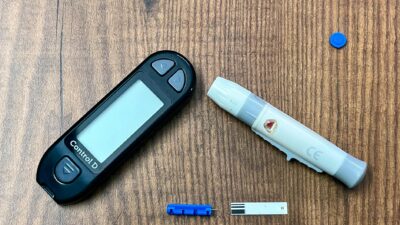
A glucose 121 reading means your blood sugar measured 121 milligrams per deciliter at the moment of testing. If that value came from a fasting blood draw, it sits in the prediabetes range of 100 to 125 mg/dL and deserves follow-up. If it came after a meal, 121 mg/dL is actually within the normal range. Context, timing, and repeat testing determine what 121 really means for you.
How Clinicians Interpret 121 mg/dL
The American Diabetes Association uses the same cutoffs worldwide for adults:
| Timing | Normal | Prediabetes | Diabetes |
|---|---|---|---|
| Fasting plasma glucose | Under 100 mg/dL | 100 to 125 mg/dL | 126 mg/dL or higher |
| 2-hour OGTT | Under 140 mg/dL | 140 to 199 mg/dL | 200 mg/dL or higher |
| Random glucose | Under 140 mg/dL | — | 200 mg/dL or higher with symptoms |
| A1C | Under 5.7 percent | 5.7 to 6.4 percent | 6.5 percent or higher |
So a value of 121 mg/dL lands in the prediabetes band only if it was taken after an overnight fast (at least 8 hours with no food or caloric drinks). Post-meal or random testing produces a very different story.
Why a 121 Fasting Matters
Prediabetes means cells are becoming less sensitive to insulin, and the pancreas is compensating by pumping out more. Left unaddressed, about 5 to 10 percent of people with prediabetes progress to type 2 diabetes each year, according to CDC data. Long-standing prediabetes also raises cardiovascular risk, independent of whether glucose eventually crosses the diabetes line. That is why a 121 fasting is worth acting on — it is early, and it is largely modifiable.
What Can Push Fasting Glucose Up
Not every 121 reading reflects worsening metabolism. Common contributors include:
- Short or fragmented sleep, especially fewer than six hours.
- Late-night eating or a very large dinner close to bedtime.
- Alcohol the night before, particularly sweet cocktails or beer.
- Acute stress, pain, or illness that raises cortisol.
- Steroid medications, including inhaled or injected steroids.
- The “dawn phenomenon,” a morning cortisol and growth hormone surge that naturally lifts fasting glucose.
- Dehydration, which concentrates glucose.
If any of these applied when you tested, retest under more standard conditions before assuming the reading reflects your baseline.
Confirming the Diagnosis
A clinician will typically confirm a prediabetes-range reading with at least one of the following on a separate day:
- Repeat fasting plasma glucose.
- A1C test, which reflects average glucose over 8 to 12 weeks.
- Oral glucose tolerance test (OGTT), which measures glucose 2 hours after a 75-gram glucose drink.
If two separate tests land in the prediabetes range — or one prediabetes fasting value and one prediabetes A1C — the diagnosis is confirmed. Learn more about testing in our A1C levels guide.
Lifestyle Actions With the Strongest Evidence
The Diabetes Prevention Program showed that a structured lifestyle intervention cut progression to type 2 diabetes by 58 percent in people with prediabetes — more than metformin’s 31 percent reduction in the same trial. Core components you can start today:
- Lose 5 to 7 percent of body weight if overweight (for a 200-pound adult, that is 10 to 14 pounds).
- Move 150 minutes per week at moderate intensity — brisk walking counts.
- Add resistance training twice a week for insulin sensitivity.
- Fill half the plate with non-starchy vegetables, with lean protein and whole-intact carbohydrates rounding it out. More ideas at our diet and nutrition hub.
- Sleep 7 to 9 hours with consistent timing.
- Limit sugar-sweetened beverages and ultraprocessed snacks.
When Medication Enters the Conversation
Most people with a 121 fasting start with lifestyle alone, but the ADA supports considering metformin for specific higher-risk groups: those under 60, people with BMI above 35, women with a history of gestational diabetes, and those with rising A1C despite lifestyle effort. Medication is always a shared decision with your clinician and complements, not replaces, lifestyle work.
Follow-Up Cadence
With confirmed prediabetes, plan on a repeat A1C at 3 to 6 months to see whether your changes are working. Home glucose testing once or twice a week fasting plus occasional post-meal checks can show quicker trends between lab visits. Continuous glucose monitors are increasingly available for short-term lifestyle coaching, though they are not typically covered by insurance for prediabetes alone.
The Bottom Line
A glucose 121 reading is a useful alert, not a final diagnosis. Fasting, it signals prediabetes and deserves confirmation and a plan. Post-meal, it is normal. Either way, the most productive response is the same combination of balanced meals, regular movement, sleep, and a check-in with your clinician — steps that can move many people back below 100 mg/dL within a few months.
Medical Disclaimer: This article is for informational purposes only and does not constitute medical advice. Always consult a qualified healthcare professional about any medical condition, device, or treatment plan.