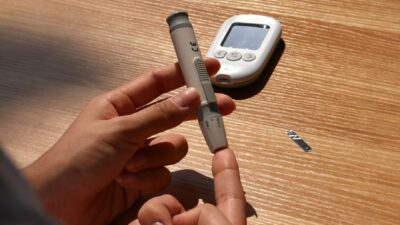
The Glucose Goddess 10 hacks by Jessie Inchauspé went viral for promising flatter glucose curves. Clinically, several hacks have solid peer-reviewed evidence—meal sequencing, vinegar before carbs, post-meal walks—while others lean on softer nutrition advice. Here is what the data actually supports, and how to use these strategies safely with prediabetes.
What Are the Glucose Goddess Hacks?
The 10 hacks as popularized are: eat foods in the right order; start meals with a green starter; stop counting calories; flatten your breakfast curve; have any sugar you want; pick dessert over sweet snacks; reach for vinegar before eating; after eating, move; if you snack, go savory; dress your carbs.
Most borrow from metabolism research, often through a social-media filter. Below we grade each on evidence strength.
Evidence Scorecard
| Hack | Evidence | Typical Effect |
|---|---|---|
| Eat in order (veg/protein first) | Strong | ~37% lower post-meal glucose |
| Green starter | Moderate | Small–moderate |
| Stop counting calories | Weak | Debatable |
| Savory breakfast | Moderate | Modest |
| Have any sugar (with caveats) | Weak | Depends on dose |
| Dessert > sweet snacks | Moderate | Small |
| Vinegar before carbs | Strong | 20–30% lower spike |
| Move after eating | Strong | 20–50 mg/dL drop |
| Savory snacks | Moderate | Flatter curve |
| Dress your carbs | Moderate | Smaller spikes |
The Hacks With the Strongest Evidence
1. Eat in the Right Order
A 2015 Diabetes Care study from Weill Cornell found that people with type 2 diabetes who ate vegetables and protein before carbs cut post-meal glucose by 29–37% and insulin response by 27%. Multiple replications back this up. Practical move: salad and chicken first, rice last.
2. Vinegar Before Carbs
Studies from Arizona State found 1–2 tablespoons of vinegar before a carb-heavy meal lowered post-meal glucose by roughly 20–30% in people with insulin resistance. Mechanism: slower gastric emptying and inhibited carb-digesting enzymes. Skip with reflux or gastroparesis.
3. Move After Eating
A 2022 Sports Medicine meta-analysis found even 2–5 minutes of light walking after meals measurably reduced post-meal glucose. Ten to 20 minutes is better. The effect is real, reproducible, and one of the best evidence-backed diabetes-prevention strategies.
The Hacks With Moderate Support
4. Green Starter
A fiber-rich veggie first course slows glucose absorption. Overlaps heavily with hack #1. Useful, rarely dramatic on its own.
5. Dress Your Carbs
Pairing carbs with fat, protein, or fiber blunts the curve. This is mainstream dietetic advice. Think apple with peanut butter, bread with olive oil.
6. Savory Breakfast
Replacing a sugary breakfast with eggs, avocado, or Greek yogurt avoids an early spike. Evidence is more about avoiding high-GI breakfasts than any unique power of “savory.”
7. Savory Snacks
Same principle—swap cookies for cheese, nuts, or hummus. Helpful but basic nutrition.
8. Dessert Over Sweet Snacks
The idea: sugar with a full meal spikes less than sugar on an empty stomach. Physiologically true, but the dose still matters. A lava cake is still a lava cake.
The Weaker Hacks
9. Stop Counting Calories
Not a glucose hack so much as a philosophical stance. Calorie balance still governs weight change, which governs insulin sensitivity. Tracking is optional, not wrong.
10. Have Any Sugar You Want
This is marketing copy, not clinical advice. Adding vinegar and a walk softens a dessert’s impact; it does not make sugar free of consequences. For people with diabetes, prediabetes, or CGMs, treat this hack with skepticism.
How to Stack Them Safely
- Start with hacks #1, #7, and #3 (order, vinegar, walk).
- Use a glucose meter or CGM for 1–2 weeks to see personal effects.
- Skip vinegar if you have GERD, ulcers, or gastroparesis.
- Don’t use hacks to justify carb-heavy days.
- If you take insulin or sulfonylureas, discuss changes with your clinician—vinegar and walks can enhance insulin’s effect.
The hacks pair well with the core prediabetes playbook on our prediabetes 101 hub.
What the Hacks Can’t Do
They don’t replace 5–7% weight loss, 150 minutes of weekly activity, consistent sleep, or prescribed medication. The ADA frames these as foundational; hacks are an edge, not the strategy.
They also don’t “cure” prediabetes, even if influencers suggest otherwise. For a more complete toolkit, see our diet and nutrition hub.
Who Should Be Cautious
People with reflux, gastroparesis, kidney disease, eating disorder history, or on tight insulin regimens should not adopt these hacks without professional input. Some (like skipping breakfast or vinegar) can interact with medications or worsen symptoms.
The Bottom Line
Several Glucose Goddess hacks are legitimately useful—especially meal order, vinegar, and post-meal walks. Others are recycled nutrition advice packaged compellingly. Use the evidence-backed ones as tools inside a real prediabetes plan: weight, movement, sleep, and clinical follow-up still do most of the heavy lifting.
This article is educational and not a substitute for personalized medical advice. Always consult your healthcare provider about symptoms, testing, and treatment.