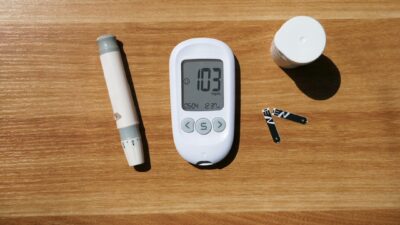
A glucose spike is a rapid rise in blood sugar after eating, typically peaking 30 to 90 minutes later. Healthy adults peak below 140 mg/dL and return to baseline within two to three hours. Bigger, longer spikes point toward insulin resistance and over time raise the risk of prediabetes and type 2 diabetes.
The Physiology of a Spike
When you eat carbohydrates, digestive enzymes break them into glucose, which crosses the small-intestine wall into the bloodstream. Blood glucose begins rising within 15 minutes, usually peaking between 30 and 90 minutes. The pancreas releases insulin in two phases: a fast burst to handle the incoming glucose, then a slower second-phase release to finish the job.
In a healthy system, insulin quickly opens GLUT4 transporters in muscle and fat, pulling glucose out of the blood. Levels return to 70 to 99 mg/dL within two to three hours. In insulin resistance, first-phase insulin weakens, so the peak runs higher and takes longer to normalize.
What a Normal Spike Looks Like
| Metabolic Status | Typical Peak | Return to Baseline |
|---|---|---|
| Healthy adult | Under 140 mg/dL | 2 to 3 hours |
| Prediabetes | 140 to 199 mg/dL | 3 to 4 hours |
| Type 2 diabetes | Often over 200 mg/dL | 4+ hours |
| Reactive hypoglycemia | Normal or high peak | Drops below 70 within 4 hours |
The American Diabetes Association uses a two-hour post-challenge glucose of 140 to 199 mg/dL to define impaired glucose tolerance (a form of prediabetes) and 200 mg/dL or higher to define diabetes.
What Triggers Bigger Spikes
- Refined carbs on empty stomach: Juice, soda, white bread, and cereal create fast peaks.
- Large portion sizes: More grams of carbs equals more glucose to absorb.
- Low fiber, low protein meals: Nothing slows digestion.
- Poor sleep: Reduces next-day insulin sensitivity.
- Stress: Cortisol stacks on top of meal-driven rises.
- Sedentary habits: Muscles clear less glucose when inactive.
- Some medications: Steroids and certain antipsychotics amplify post-meal peaks.
Why Flattening the Curve Matters
Large or frequent spikes do more than raise A1C. Research links high post-meal glucose to endothelial dysfunction, oxidative stress, and inflammation, all of which contribute to cardiovascular disease. Glucose variability itself (the size of the swings) is an independent risk factor, separate from the average. Tighter curves protect both vessels and long-term A1C levels.
Strategies That Consistently Lower Peaks
Small habit changes produce measurable effects, often within a single meal:
- Sequence your meal: Eat vegetables and protein first, starches last. Studies show peaks drop by 30 to 40 percent.
- Walk after eating: Ten minutes of light walking can lower the peak by 15 to 30 mg/dL.
- Add vinegar or lemon: One to two tablespoons before a carb-heavy meal slows glucose absorption.
- Pair carbs with fat and protein: A piece of bread with avocado and egg spikes less than bread alone.
- Favor whole grains: Oats, barley, and quinoa release glucose more slowly than white rice or white bread.
- Hydrate first: Water before a meal blunts the curve slightly.
- Avoid liquid sugar: Juices and sodas spike fastest of all.
Measuring Your Own Spikes
A fingerstick glucometer can capture a peak if you test at the 60- and 120-minute marks after eating. A continuous glucose monitor (CGM) reveals the full shape of the curve, including peaks you might otherwise miss at 45 or 75 minutes. For most adults, two weeks of CGM data is enough to identify personal trigger foods and meal patterns.
Keep notes alongside the readings: what you ate, when, sleep the night before, and activity level. Patterns often emerge that no single reading could show.
When a Spike Is a Warning Sign
Most spikes are harmless physiology. Call your clinician if you see:
- Consistent peaks over 180 mg/dL after typical meals
- Peaks that do not return to baseline within four hours
- Reactive lows (under 70 mg/dL) following the peak
- Symptoms like fatigue, blurred vision, or extreme thirst with the spikes
A lab-based A1C and fasting plasma glucose can confirm whether the pattern reflects prediabetes or established diabetes. For the bigger picture on dietary choices, visit our diet and nutrition guide.
Putting It Together
Spikes are a feedback signal, not a moral failing. They tell you which foods, meal sequences, and lifestyle inputs match your metabolism today. Use the data, make one or two changes at a time, and retest before assuming a habit works. Over weeks, a flatter curve translates into lower average glucose and lower risk.
The Bottom Line
A glucose spike is a normal rise in blood sugar after eating that should stay under 140 mg/dL and resolve within three hours. Bigger or slower spikes reveal insulin resistance and deserve attention. Food sequencing, whole foods, post-meal walks, and solid sleep reliably flatten the curve. Measure, iterate, and bring persistent patterns to your clinician.
This article is for educational purposes only and is not a substitute for personalized medical advice. Always consult a qualified healthcare provider about diabetes diagnosis or treatment.