Insulin resistance means your body’s cells – especially in muscle, liver, and fat tissue – have become less responsive to insulin, the hormone that tells them to absorb glucose from the bloodstream. To compensate, your pancreas releases more insulin. For years, that extra insulin keeps your blood sugar normal. Eventually the pancreas can’t keep up, blood sugar rises, and prediabetes or type 2 diabetes develops.
What Insulin Does in the First Place
When you eat, carbohydrates break down into glucose that enters your bloodstream. Your pancreas senses the rising glucose and releases insulin from its beta cells. Insulin then travels to your tissues and binds to insulin receptors – like a key fitting a lock – which triggers cells to pull glucose out of the blood for energy or storage.
- Muscle cells use glucose for movement or store it as glycogen.
- Liver cells store glucose as glycogen and stop making new glucose.
- Fat cells store excess glucose as triglycerides.
This system works beautifully when cells are responsive. The trouble starts when they aren’t.
What Goes Wrong in Insulin Resistance
In insulin resistance, the “lock” doesn’t open as easily when insulin (the “key”) arrives. The cell signaling cascade is disrupted, often because of:
- Excess intracellular fat: When fat builds up inside muscle and liver cells, it interferes with the insulin signaling proteins.
- Chronic inflammation: Cytokines released from visceral fat tissue blunt insulin signaling.
- Free fatty acids: Elevated circulating fats compete with glucose for cellular uptake.
The pancreas detects that blood glucose is staying high too long and ramps up insulin output. This is called compensatory hyperinsulinemia – and it’s the silent first stage of metabolic disease, often present 10-15 years before any abnormal glucose reading.
How Insulin Resistance Develops Over Time
| Stage | What’s Happening | Typical Lab Findings |
|---|---|---|
| 1. Early resistance | Cells less responsive; pancreas compensates | Normal glucose, high fasting insulin |
| 2. Impaired glucose tolerance | Post-meal glucose rises higher and stays elevated longer | Normal fasting glucose; elevated 2-hour OGTT |
| 3. Prediabetes | Beta cells start to falter | A1C 5.7-6.4%, fasting glucose 100-125 mg/dL |
| 4. Type 2 diabetes | Pancreas can no longer keep blood sugar in range | A1C ≥6.5%, fasting glucose ≥126 mg/dL |
Risk Factors
You’re more likely to develop insulin resistance if you have:
- Excess body weight, especially around the abdomen (waist over 35″ women / 40″ men)
- Physical inactivity
- Family history of type 2 diabetes
- Age 45 or older
- Polycystic ovary syndrome (PCOS)
- Sleep apnea or chronic poor sleep (under 6 hours/night)
- History of gestational diabetes
- Race/ethnicity: African American, Hispanic/Latino, Native American, Asian American, Pacific Islander
- High blood pressure or abnormal cholesterol (low HDL, high triglycerides)
- Use of certain medications: corticosteroids, some antipsychotics, antiretrovirals
How Doctors Test for Insulin Resistance
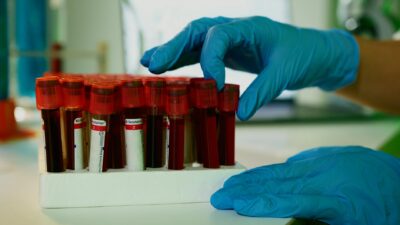
There’s no single perfect test. Clinicians typically combine clinical signs and lab results.
Fasting Insulin
Measures how much insulin your pancreas is producing while fasting. Normal is roughly under 10 µIU/mL; higher levels suggest compensatory hyperinsulinemia.
HOMA-IR (Homeostatic Model Assessment)
A calculation using fasting glucose and fasting insulin: HOMA-IR = (fasting glucose × fasting insulin) / 405. Values above 2.0-2.5 generally indicate insulin resistance.
Oral Glucose Tolerance Test (OGTT) with Insulin
The most direct test – you drink 75 grams of glucose and have blood drawn at 0, 1, and 2 hours. Some clinicians order insulin levels at the same time points; an exaggerated insulin response at 1 hour is a strong sign of resistance.
Triglyceride-to-HDL Ratio
A simple proxy: a ratio above 3.0 (mg/dL units) correlates with insulin resistance in non-Black populations.
Clinical Signs
- Acanthosis nigricans: dark, velvety patches on the neck, armpits, or groin – a visible marker of high insulin levels.
- Skin tags: often appear in the same areas.
- Central obesity: larger waist relative to hips.
- Fatigue after meals: caused by exaggerated insulin response.
Why Insulin Resistance Matters Even With Normal Glucose
Insulin resistance is more than a precursor to diabetes. Even with normal blood sugar, it’s associated with:
- Higher rates of cardiovascular disease and stroke
- Non-alcoholic fatty liver disease (NAFLD)
- PCOS and infertility
- Cognitive decline (sometimes called “type 3 diabetes”)
- Some cancers (colorectal, endometrial, breast)
This is why catching it early – before A1C rises – is valuable, even though most clinicians don’t routinely screen for it.
How to Reverse Insulin Resistance
Lose 5-10% of Body Weight
The Diabetes Prevention Program found that losing just 5-7% of body weight reduced the progression to type 2 diabetes by 58%. Visceral fat – the fat around your organs – is the most metabolically harmful and the first to shrink with weight loss.
Move Daily
Both aerobic exercise and resistance training improve insulin sensitivity, but through different mechanisms. Aim for:
- 150+ minutes per week of moderate aerobic activity (walking, cycling)
- 2-3 sessions per week of resistance training (weights, bands, bodyweight)
- Short walks after meals – even 10 minutes lowers post-meal glucose meaningfully
Sleep 7-9 Hours
One week of sleep restriction (4-5 hours per night) can reduce insulin sensitivity by 25-30% in healthy adults. Treat sleep apnea if present.
Eat to Reduce Insulin Demand
- Reduce refined carbs (white bread, sugary drinks, pastries)
- Build meals around non-starchy vegetables, lean protein, and healthy fats
- Consider a Mediterranean or moderately low-carb pattern
- Limit ultra-processed foods, which independently worsen insulin resistance
Manage Stress
Chronic stress raises cortisol, which directly opposes insulin’s action. Brief daily mindfulness, breathing exercises, or therapy can lower cortisol over time.
Discuss Medications with Your Doctor
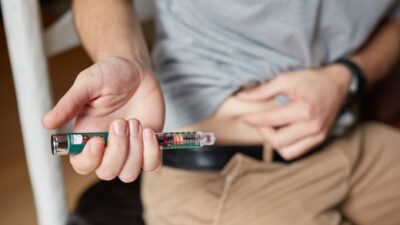
Metformin reduces hepatic glucose production and improves insulin sensitivity. It’s commonly prescribed for prediabetes alongside lifestyle change. GLP-1 receptor agonists (semaglutide, tirzepatide) also improve insulin sensitivity, often through significant weight loss.
How Long Does Reversal Take?
Improvements show up faster than most people expect. Studies measuring HOMA-IR and OGTT responses commonly show:
- 2 weeks: Reduced fasting insulin from carb restriction
- 4-8 weeks: Measurable HOMA-IR improvement from exercise + weight loss
- 3-6 months: Significant A1C reduction (0.5-1.5 percentage points)
- 6-12 months: Many people return to fully normal insulin sensitivity
For more on related topics, see our guides to insulin resistance vs diabetes and whether prediabetes is reversible.
The Bottom Line
Insulin resistance means your cells aren’t responding well to insulin’s signal to take in glucose – so the pancreas pumps out more to compensate. It develops silently over years, drives most cases of prediabetes and type 2 diabetes, and worsens cardiovascular risk even when blood sugar is still normal. The good news: it’s largely reversible. Lose weight, move daily, sleep more, eat fewer refined carbs – and within months, your cells start listening to insulin again.