Insulin sensitivity is how well your cells respond to the hormone insulin when it tells them to absorb glucose from your bloodstream. High sensitivity means a small amount of insulin does the job. Low sensitivity — also called insulin resistance — means your pancreas must pump out more insulin to achieve the same effect, and blood sugar tends to stay elevated.
Insulin Sensitivity vs. Insulin Resistance
These are two ends of the same spectrum. Think of insulin as a key and your cells as locked doors. In an insulin-sensitive state, the key turns easily and glucose flows inside for energy. In an insulin-resistant state, the locks are stiff; more keys (more insulin) are needed to open them. Over time, the pancreas struggles to keep up, blood sugar rises, and prediabetes or type 2 diabetes can develop.
You can learn more about the opposite condition in our article on the meaning of insulin resistance.
Why Insulin Sensitivity Matters
High insulin sensitivity is associated with:
- Lower fasting blood glucose and lower A1C
- Reduced risk of type 2 diabetes, fatty liver, and heart disease
- Easier weight management (high insulin encourages fat storage)
- Better energy and mood stability between meals
- Lower blood pressure and healthier cholesterol profile
Improving your sensitivity is arguably the single most important metabolic goal if you have prediabetes or a family history of type 2 diabetes.
How Insulin Sensitivity Is Measured
Insulin sensitivity cannot be read off a routine lab report the way A1C can. Clinicians and researchers use several methods.
HOMA-IR (Most Common)
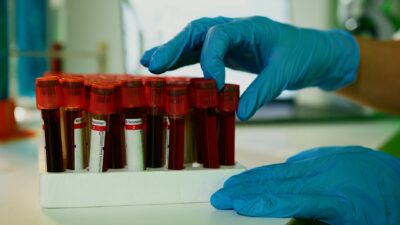
The Homeostasis Model Assessment of Insulin Resistance uses a single fasting blood draw:
HOMA-IR = (fasting insulin in µU/mL × fasting glucose in mg/dL) ÷ 405
It is cheap, simple, and correlates reasonably well with more complex tests. A lower number means higher sensitivity.
QUICKI
The Quantitative Insulin Sensitivity Check Index is a log-transformed version of HOMA. Values range from about 0.30 (very resistant) to 0.45 (highly sensitive).
Matsuda Index
Uses glucose and insulin measurements during an oral glucose tolerance test. More accurate than HOMA for people whose main problem is post-meal glucose.
Hyperinsulinemic-Euglycemic Clamp
The research gold standard. A continuous insulin infusion is given while glucose is infused at whatever rate needed to keep blood sugar steady. The amount of glucose required reflects sensitivity. Too cumbersome for routine care.
Reference Ranges for HOMA-IR
| HOMA-IR | Interpretation |
|---|---|
| < 1.0 | High insulin sensitivity |
| 1.0 – 1.9 | Normal |
| 2.0 – 2.9 | Early insulin resistance |
| ≥ 3.0 | Significant insulin resistance |
Ranges differ by lab and ethnicity; always interpret with your clinician.
What Lowers Insulin Sensitivity?
Several factors reduce how well your cells respond to insulin:
- Excess body fat, especially visceral (belly) fat
- Sedentary behavior and prolonged sitting
- Poor or short sleep (under 6 hours)
- Chronic stress and elevated cortisol
- Diets high in refined carbs, sugar-sweetened drinks, and ultra-processed foods
- Certain medications: corticosteroids, some antipsychotics, niacin
- Hormonal conditions: PCOS, Cushing’s syndrome, hypothyroidism
- Aging and genetics
How to Improve Insulin Sensitivity
The good news: sensitivity responds quickly to lifestyle change. Here are the most evidence-backed strategies, ranked roughly by impact.
1. Move Every Day
Exercise is the most potent insulin sensitizer known. A single bout of moderate activity can increase glucose uptake for 24-48 hours, independent of weight loss.
- Aerobic activity: 150 minutes/week of brisk walking, cycling, or swimming.
- Strength training: 2-3 sessions/week. More muscle = more insulin-sensitive tissue.
- Post-meal walks: 10-15 minutes after eating blunts glucose spikes.
- Break up sitting: stand or walk 2-3 minutes every 30 minutes.
See our exercise for prediabetes guide for specific routines.
2. Lose 5-10% of Body Weight (If Applicable)
In the landmark Diabetes Prevention Program, a 7% weight loss cut the risk of progressing from prediabetes to diabetes by 58%. Visceral fat is especially responsive; losing inches around the waist improves sensitivity faster than the scale might suggest.
3. Prioritize Sleep
Just one week of sleeping 4-5 hours per night can cut insulin sensitivity by 20-30% in healthy adults. Aim for 7-9 hours, consistent bedtimes, and a dark, cool room. Treat sleep apnea if you snore or wake up unrefreshed.
4. Upgrade Your Diet
- Add fiber: 25-38 g/day from vegetables, legumes, berries, and whole grains.
- Cut added sugar and sugar-sweetened drinks.
- Swap refined grains for whole grains.
- Include protein at every meal (20-30 g) to blunt glucose spikes.
- Use healthy fats: olive oil, nuts, seeds, fatty fish.
- Consider Mediterranean or low-carb eating patterns — both outperform standard low-fat diets for insulin sensitivity.
5. Manage Stress
Chronic stress raises cortisol, which antagonizes insulin. Meditation, deep breathing, yoga, time in nature, and connection with others all help. Even 10 minutes of daily practice shows measurable effects.
6. Check Medications and Supplements
Magnesium, berberine, inositol, and chromium have modest evidence for improving sensitivity, but talk to your doctor before adding them — especially if you take glucose-lowering drugs. Metformin is the most evidence-based prescription option for prediabetes.
Rough Timeline for Improvement
| Intervention | When You See a Change |
|---|---|
| Single exercise session | Within hours; lasts 24-48 hours |
| Regular exercise program | 2-4 weeks |
| Diet overhaul (lower-carb, higher-fiber) | 2-6 weeks |
| 5-7% weight loss | 2-4 months |
| Better sleep (7-9 hours) | 1-2 weeks |
Signs Your Sensitivity Is Improving
- Lower fasting blood glucose and/or A1C
- Smaller waist circumference
- Fewer afternoon energy crashes
- Reduced cravings between meals
- Smaller post-meal glucose spikes (if you use a CGM)
When to See a Doctor
Ask your clinician about testing for insulin resistance if you have any of the following:
- A1C between 5.7% and 6.4% (prediabetes range)
- Waist circumference over 40 inches (men) or 35 inches (women)
- High blood pressure or high triglycerides
- Darkened skin patches on the neck or armpits (acanthosis nigricans)
- Family history of type 2 diabetes or PCOS
Your doctor may order fasting insulin, fasting glucose, and A1C together to calculate HOMA-IR and guide treatment.
The Bottom Line
Insulin sensitivity is one of the most modifiable levers in metabolic health. Improving it protects you from type 2 diabetes, heart disease, and a long list of related conditions. The formula is not mysterious: move daily, sleep well, eat mostly whole foods, keep your waistline in check, and manage stress. Track HOMA-IR or A1C with your clinician to see your progress. Small steps, repeated consistently, can flip a resistant body back to a sensitive one within a few months.