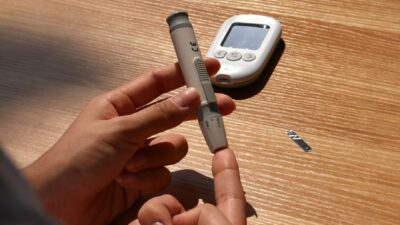
A high POC glucose reading means your blood sugar measured at the point of care – usually by fingerstick – was above the expected range. POC stands for “point of care,” and while these bedside or home tests are fast and convenient, they are less precise than lab glucose. A single high POC result is a flag for follow-up, not a final diagnosis.
What Is POC Glucose Testing?
Point-of-care glucose testing uses a small blood sample – usually a capillary fingerstick – analyzed on a handheld glucometer. It is the standard tool for:
- Routine monitoring in people with diabetes
- Bedside testing in hospitals
- Pre-operative checks
- Diabetes screening in clinics and health fairs
- Emergency response (paramedics, ERs)
Results are available within seconds, compared with hours for laboratory venous glucose.
How POC Glucose Differs from Lab Glucose
| Feature | POC Glucose | Lab Plasma Glucose |
|---|---|---|
| Sample | Capillary (fingerstick) | Venous plasma |
| Device | Handheld glucometer | Lab analyzer |
| Result time | 5-30 seconds | 30 minutes – several hours |
| Accuracy | +/- 10-15% | +/- 2-3% |
| Main uses | Monitoring, screening | Diagnosis |
The FDA requires hospital-use POC devices to meet higher accuracy standards than consumer home meters.
What Counts as “High” on a POC Glucose Test?
Interpretation depends on when you last ate:
- Fasting (8+ hours): Above 100 mg/dL is elevated; above 126 suggests diabetes
- Random (anytime): Above 140 mg/dL is elevated; above 200 with symptoms suggests diabetes
- 2-hour post-meal: Above 140 mg/dL is elevated; above 200 is diabetic range
For context on diagnostic numbers, visit our A1C levels overview.
Common Causes of a High POC Glucose Reading
Temporary Causes
- Recent meal or sugary drink
- Acute illness or infection
- Physical or emotional stress
- Steroid medications
- Dehydration
- Contaminated fingertip (residual glucose)
Chronic Causes
- Undiagnosed prediabetes or diabetes
- Insulin resistance from obesity or sedentary lifestyle
- Certain endocrine disorders (Cushing’s, PCOS, acromegaly)
- Chronic pancreatitis
What To Do After a High POC Glucose Result
1. Confirm With a Lab Test
Your clinician will likely order a venous fasting plasma glucose and an A1C. Two abnormal results on separate days confirm a diagnosis.
2. Check for Symptoms
If you have extreme thirst, frequent urination, unexplained weight loss, blurred vision, fruity breath, or confusion, seek same-day medical care. These can signal severe hyperglycemia.
3. Review Recent Food and Medications
Write down what you ate in the 2-3 hours before the test and any medications taken (including steroids). Bring this list to your appointment.
4. Make a Follow-Up Plan
If prediabetes or diabetes is confirmed, your care team will guide you through lifestyle changes, possible medication, and monitoring frequency.
How to Improve a High POC Glucose Over Time
The same lifestyle strategies that lower A1C will bring down fingerstick readings:
- Replace sugar-sweetened drinks with water, unsweetened tea, or sparkling water
- Build meals around non-starchy vegetables and protein; treat refined carbs as garnish
- Walk 10-15 minutes after meals
- Lose 5-7 percent of body weight if overweight
- Sleep 7-9 hours per night
- Manage stress through movement and breathing practices
Our diet and nutrition resources walk through this in detail.
Accuracy Tips for POC Glucose Testing at Home
If you use a home glucometer, these habits improve reliability:
- Wash and dry hands thoroughly before sticking; residual sugar on fingers inflates results
- Use the side of the fingertip, not the pad
- Apply a full drop of blood, not a smear
- Keep test strips sealed and within their expiration date
- Calibrate or check your meter against a control solution periodically
According to the CDC, consumer meters are generally acceptable for monitoring but should not be used alone for initial diagnosis.
When to Consider a Continuous Glucose Monitor
If you have multiple high POC readings and want more context, a continuous glucose monitor (CGM) captures data every few minutes for 10-14 days. CGMs reveal post-meal spikes and overnight patterns that sporadic fingersticks miss.
The Bottom Line
A high POC glucose reading is a valuable early warning, not a diagnosis in itself. Confirm with a lab venous glucose and A1C, look at context (food, stress, medications), and work with your clinician on next steps. If confirmed, lifestyle changes combined with appropriate treatment often normalize readings and reduce long-term risk within months.