Reactive hypoglycemia is low blood sugar that happens after you eat, usually within about four hours of a meal. Doctors also call it postprandial hypoglycemia. It causes shakiness, sweating, hunger and a racing heart. Most people manage it well with changes to what and when they eat once a doctor has confirmed the diagnosis.
This guide covers what reactive hypoglycemia is, how it is diagnosed, what causes it and which eating habits help. If you mainly want to know what a post-meal “crash” feels like, see our guide to blood sugar crash symptoms.
Safety first: If someone is confused, cannot swallow safely, has a seizure or passes out, call 911. Never put food or drink in the mouth of someone who is unconscious. If they have prescribed glucagon, use it as directed. Severe lows from reactive hypoglycemia are uncommon, but they need emergency care when they happen.
What Happens in Reactive Hypoglycemia
After a meal, carbohydrates are broken down into glucose and absorbed into your blood. Your pancreas releases insulin to move that glucose into your cells. Normally, insulin output matches the rise in glucose and blood sugar settles back into a normal range without dropping too low.
In reactive hypoglycemia, that balance is off. Glucose may enter the blood very quickly (as it does after some stomach surgeries), or insulin may arrive late and in excess. The result is a rapid rise followed by a fall below normal two to four hours later. As glucose drops, your body releases adrenaline to push it back up, and adrenaline causes many of the symptoms people notice.
Symptoms of Reactive Hypoglycemia
The symptoms are the same as those of low blood sugar from any cause. They usually start within four hours of eating and may include:
- Shakiness or trembling
- Sweating
- Hunger
- A fast or pounding heartbeat
- Dizziness or lightheadedness
- Weakness or tiredness
- Irritability or anxiety
- Headache
- Trouble concentrating or blurred vision
These symptoms are not specific. Many people feel shaky or anxious after a large, carb-heavy meal while their blood sugar stays normal. Doctors sometimes call this idiopathic postprandial syndrome. The symptoms are real, but they are not caused by low glucose, which is why measuring blood sugar at the time of symptoms matters.
Reactive vs. Fasting Hypoglycemia
| Feature | Reactive (postprandial) | Fasting |
|---|---|---|
| Timing | Within about 4 hours after eating | After going without food for many hours, often overnight or with exercise |
| Common causes | Prior stomach or bariatric surgery, alcohol with sugary mixers, rare inherited disorders; often no clear cause | Medications, heavy alcohol use, liver, kidney or adrenal problems, insulin-producing tumors |
| How it is tested | Supervised mixed-meal test, or glucose checked during spontaneous symptoms | Supervised prolonged fast in a hospital |
| Level of concern | Usually managed with diet once confirmed | Needs a full medical workup |
Fasting hypoglycemia in someone without diabetes is less common and more likely to signal an underlying condition. Our article on what causes low blood sugar without diabetes covers those causes in detail.
What Causes Reactive Hypoglycemia?
In many people who do not have diabetes, no clear cause is found. Symptoms often seem tied to the type and timing of meals, especially large servings of refined carbohydrates eaten on an empty stomach. Known causes include:
- Stomach and bariatric surgery. Gastric bypass, sleeve gastrectomy and other operations let food reach the small intestine quickly. This can cause a large insulin surge and a low one to three hours later, sometimes called late dumping. Post-bariatric hypoglycemia can appear months or years after surgery.
- Alcohol. Alcohol blocks the liver from releasing stored glucose. Drinking on an empty stomach or with sugary mixers raises the risk.
- Inherited metabolic conditions. Rare disorders, such as hereditary fructose intolerance, can cause lows after certain foods.
- Tumors. Insulin-producing tumors (insulinomas) usually cause fasting lows but can sometimes cause symptoms after meals. They are rare.
- Diabetes medicines. In people with diabetes, insulin or sulfonylureas can cause a drop after eating. A dose or timing change from the prescriber may help.
Is There a Link With Prediabetes?
Some researchers have described a delayed, exaggerated insulin response after meals in people with insulin resistance, which may lead to a late dip in glucose. The link is not firmly established, and reactive hypoglycemia is not used to diagnose prediabetes. If you have risk factors such as excess weight or a family history of type 2 diabetes, ask your doctor about an A1C or fasting glucose test.
How Reactive Hypoglycemia Is Diagnosed
Diagnosis rests on Whipple’s triad, a set of three findings that must all be present:
- Symptoms consistent with low blood sugar
- A low glucose level measured at the time of those symptoms
- Relief of symptoms once glucose is brought back up
For adults without diabetes, the Endocrine Society’s clinical guideline uses a plasma glucose below 55 mg/dL (3.0 mmol/L) as the level that supports true hypoglycemia when the other parts of the triad are present. For people with diabetes, a reading below 70 mg/dL (3.9 mmol/L) is considered low.
Mixed-Meal Test vs. Glucose Tolerance Test
The preferred test is a supervised mixed-meal test. You eat a meal similar to the ones that trigger your symptoms, and staff check your glucose (and sometimes insulin and related hormones) over about five hours. If symptoms appear, glucose is measured at that moment.
The Endocrine Society guideline advises against using the oral glucose tolerance test (OGTT) to diagnose postprandial hypoglycemia. A concentrated glucose drink is not like a normal meal, and many healthy people show a low reading a few hours after an OGTT without any disease. That makes false positives common.
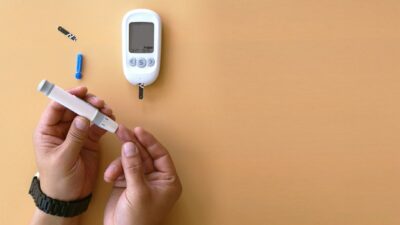
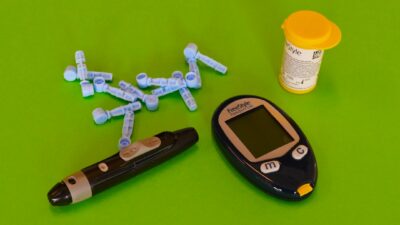
Home meters and continuous glucose monitors can help you and your doctor spot patterns, but both are less accurate in the low range. A single low reading on a home device is a reason to talk with your doctor, not a diagnosis.
How to Manage Reactive Hypoglycemia
Reactive hypoglycemia usually does not need medicine. If another condition, such as a tumor or a surgical complication, is causing it, that condition needs treatment. For most people, eating habits make the biggest difference.
Eating Habits That Help
- Eat smaller meals and snacks about three hours apart instead of two or three large meals.
- Choose high-fiber carbohydrates such as vegetables, beans, whole grains and whole fruit. Fiber slows how fast glucose enters the blood.
- Pair carbs with protein and healthy fat. Examples include an apple with peanut butter, or eggs with whole-grain toast.
- Limit sugary foods and refined starches like white bread, white pasta, pastries and sweetened drinks, especially on an empty stomach.
- Eat food if you drink alcohol, and avoid sugary mixers.
- Stay active. Regular exercise improves how your body uses insulin.
Our diet and nutrition guides have more ideas for balanced, lower-glycemic meals. A registered dietitian can build a plan around your own triggers.
If Your Blood Sugar Is Low During Symptoms
If a meter confirms a low reading, the standard approach is the 15-15 rule: take 15 grams of fast-acting carbohydrate (such as 4 ounces of juice or glucose tablets), wait 15 minutes and recheck. Once you feel better, eat a small snack with protein and fiber so you do not rebound into another drop. Our guide on how to treat low blood sugar walks through each step.
After Bariatric Surgery
Post-bariatric hypoglycemia often needs specialist care. A dietitian may recommend specific meal patterns and carbohydrate limits, and some people are prescribed medicines that slow carbohydrate absorption. Do not change your post-surgery diet on your own. Work with your surgical team.
When to See a Doctor
Make an appointment if you often have low-blood-sugar symptoms after meals, if they wake you at night or if they happen while fasting. Tell your doctor if you have had stomach surgery, take any diabetes medicines or drink alcohol regularly. Keep a log of meals, symptom timing and any glucose readings to bring to the visit.
Seek urgent care for confusion, fainting, seizures or symptoms that do not improve after eating. Those signs need prompt evaluation.
The Bottom Line
Reactive hypoglycemia is a drop in blood sugar within a few hours after eating. Its symptoms overlap with anxiety and with normal post-meal sluggishness, so a measured low glucose during symptoms, ideally on a supervised mixed-meal test, is needed to confirm it. Most people do well with smaller, balanced meals, more fiber and protein and fewer refined carbs. See your doctor to rule out other causes and get a plan that fits you.