Yes, low blood sugar can cause anxiety. When your glucose drops below about 70 mg/dL (3.9 mmol/L), your body releases adrenaline to push it back up, and that surge can make you feel nervous, shaky, sweaty and on edge, often within minutes. The feeling usually fades once the low is treated.
Below, we explain why this happens, how to tell a low from ordinary anxiety or a panic attack, and what to do in the moment.
Why Low Blood Sugar Makes You Feel Anxious
Your brain runs mainly on glucose. When blood sugar falls, your body treats it as a threat and fires off a set of counter-regulatory hormones, chiefly adrenaline (epinephrine) and glucagon. Their job is to get the liver to release stored sugar.
Adrenaline is the same hormone behind the “fight or flight” response. So during a low you can get the same physical feelings you would get if you were frightened, even if nothing stressful is happening. According to the CDC, common symptoms of low blood sugar include a fast heartbeat, shaking, sweating, nervousness or anxiety, irritability or confusion, dizziness and hunger.
If the low continues, the brain itself starts to run short of fuel. That can cause confusion, blurry vision, trouble speaking and, in severe cases, seizures or loss of consciousness.
Anxiety vs Low Blood Sugar: How to Tell Them Apart
Anxiety and hypoglycemia overlap a lot, which is why people mix them up. Anxiety does not cause true hypoglycemia, but the two can feel very similar. This table shows the main differences.
| Feature | Low blood sugar | Anxiety or panic attack |
|---|---|---|
| Glucose reading | Below 70 mg/dL (3.9 mmol/L) | Normal or slightly high |
| Hunger | Often strong | Usually absent |
| Confusion, blurry vision, slurred speech | Common as the low worsens | Uncommon |
| Tingling around the lips | Can occur | Tingling in hands or face can occur with fast breathing |
| Common timing | After skipped meals, extra exercise, alcohol or a medicine dose | Often linked to stress, worry or specific triggers |
| Response to sugar | Improves within about 15 minutes | No real change |
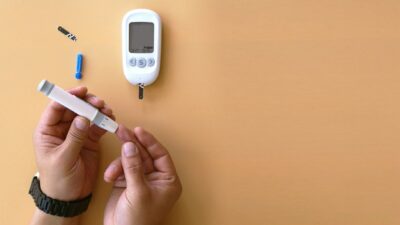
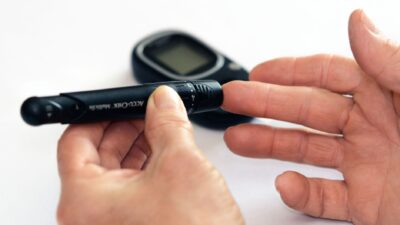
The only reliable way to know is to check. If you have a glucose meter or a continuous glucose monitor (CGM), test before treating whenever you safely can. If you cannot check and you take insulin or a sulfonylurea, treat it as a low to be safe.
For a side-by-side look at the opposite problem, see our guide to hyperglycemia vs hypoglycemia symptoms.
Who Is Most Likely to Get Anxious Lows?
True hypoglycemia is most common in people with diabetes who take medicines that can push glucose too low. These include:
- Insulin, especially if a dose is too large for the food eaten or activity done
- Sulfonylureas such as glipizide, glyburide and glimepiride
- Meglitinides such as repaglinide and nateglinide
Common triggers include skipping or delaying meals, eating fewer carbs than planned, unplanned exercise and drinking alcohol, especially without food.
People without diabetes can have low blood sugar too, but it is much less common. Possible causes include some medicines, heavy drinking, serious liver, kidney or hormone problems, and, rarely, an insulin-producing tumor. Some people get shaky or anxious a few hours after a high-carb meal. Our article on what causes low blood sugar without diabetes covers this in more detail. Doctors confirm true hypoglycemia in people without diabetes using three things together, called Whipple’s triad: symptoms, a measured low glucose at the time of the symptoms, and relief once glucose is raised.
When the Anxiety Warning Goes Missing
The shaky, anxious feeling is actually useful because it warns you to eat. Some people lose it. After years of diabetes or frequent lows, the adrenaline response can weaken, a condition called hypoglycemia unawareness. Beta-blockers, a type of heart and blood pressure medicine, can also blunt the racing heart and tremor of a low. If you notice your warning signs are weaker than before, tell your doctor.
What to Do If You Feel Suddenly Anxious and Shaky
If you have diabetes and take a medicine that can cause lows, follow these steps, which match guidance from the National Institute of Diabetes and Digestive and Kidney Diseases (NIDDK):
- Check your blood sugar. Below 70 mg/dL (3.9 mmol/L) is low. Your doctor may give you a different target.
- Take 15 to 20 grams of fast-acting carbohydrate, such as 4 glucose tablets, half a cup (4 oz) of juice or regular soda, or a tablespoon of sugar or honey.
- Wait 15 minutes and recheck. If you are still below 70 mg/dL, repeat.
- Eat a snack or meal once you are back in range if your next meal is more than an hour away.
This is often called the 15-15 rule. Avoid treating a low with chocolate or other high-fat foods, since fat slows sugar absorption. You can read more in our guide on how to treat low blood sugar.
Know the Levels
The American Diabetes Association groups hypoglycemia into three levels:
- Level 1: below 70 mg/dL (3.9 mmol/L) and at or above 54 mg/dL (3.0 mmol/L)
- Level 2: below 54 mg/dL (3.0 mmol/L)
- Level 3: a severe event where you are confused or unable to treat yourself and need help from someone else
Severe low blood sugar is an emergency. If someone is unconscious, having a seizure or cannot swallow safely, do not give food or drink. Give glucagon if it is available and you know how, and call 911.
When Anxiety Isn’t About Blood Sugar
If your glucose is normal when you feel anxious, low blood sugar is not the cause. Other possibilities include an anxiety disorder, too much caffeine, an overactive thyroid, some medicines and heart rhythm problems. Living with diabetes can also cause real worry, including fear of having a low. That fear is common and treatable.
According to MedlinePlus, anxiety disorders respond well to therapy, medicine or both. Our article on diabetes and anxiety covers this in more depth.
When to See a Doctor
Talk with your doctor if:
- You have lows more than once or twice a week, or any Level 2 or Level 3 low
- You wake at night sweaty, anxious or with nightmares
- You feel shaky or anxious after meals and do not have diabetes
- Your usual warning signs have faded
- Anxiety continues even when your glucose is in range
Do not change or stop your diabetes medicine on your own. Your care team can adjust doses, timing or the type of medicine, and may suggest a CGM with low alerts. If you have prediabetes and wonder whether your symptoms are blood-sugar related, our prediabetes symptoms hub is a good place to start.
The Bottom Line
Low blood sugar can cause anxiety because your body releases adrenaline to correct the drop, which brings on nervousness, shaking, sweating and a racing heart. Anxiety itself does not cause true hypoglycemia, but the two feel similar, so checking your glucose is the best way to know. If you take insulin or a sulfonylurea, treat a reading below 70 mg/dL (3.9 mmol/L) with fast-acting carbs and recheck in 15 minutes. If lows or anxious spells keep happening, talk with your doctor about what is driving them.