Low blood sugar during pregnancy symptoms usually start with shakiness, sweating, hunger, a fast heartbeat, irritability or a headache. If the level keeps falling, you may feel confused, have blurred vision or slurred speech, and in severe cases pass out or have a seizure. A low is generally a reading below 70 mg/dL (3.9 mmol/L).
Call 911 if someone is confused and unable to swallow safely, has a seizure, or has passed out. Do not give food or drink to a person who is unconscious or having a seizure, because they could choke. If glucagon has been prescribed, a trained family member or friend should give it, then call 911.
Low blood sugar (hypoglycemia) is most common in pregnant people who take insulin, including those with type 1 diabetes, type 2 diabetes or gestational diabetes treated with insulin. This guide covers what counts as low, the symptoms to watch for, how to treat a low and when to call your care team.
What Counts as Low Blood Sugar in Pregnancy
The American Diabetes Association uses three levels of hypoglycemia. They apply in pregnancy too, although your care team may set personal targets.
| Level | Glucose reading | What it means |
|---|---|---|
| Level 1 | Below 70 mg/dL (3.9 mmol/L) | Low; treat it promptly |
| Level 2 | Below 54 mg/dL (3.0 mmol/L) | Clinically significant low; treat right away and tell your care team |
| Level 3 | Any reading | Severe low; you need help from another person to recover |
Pregnancy targets are tighter than usual, which is one reason lows happen more often. According to the National Institute of Diabetes and Digestive and Kidney Diseases (NIDDK), commonly recommended pregnancy targets are 70 to 95 mg/dL (3.9 to 5.3 mmol/L) when fasting and before meals, 110 to 140 mg/dL (6.1 to 7.8 mmol/L) one hour after eating, and 100 to 120 mg/dL (5.6 to 6.7 mmol/L) two hours after eating. See normal glucose levels in pregnancy for more detail.
Common Low Blood Sugar Symptoms in Pregnancy
Symptoms can vary from person to person and from one low to the next. They tend to get worse as glucose drops further.
| Stage | Typical symptoms |
|---|---|
| Early or mild | Shakiness, sweating, hunger, pale skin, fast or pounding heartbeat, anxiety or irritability, tingling lips, dizziness |
| Moderate | Headache, trouble concentrating, weakness, tiredness, clumsiness, mood changes, blurred vision |
| Severe | Confusion, slurred speech, unusual behavior, seizures, loss of consciousness |
| During sleep | Nightmares, crying out, sweat-soaked sheets or pajamas, waking up tired, confused or with a headache |
Many of these warning signs come from adrenaline, the hormone your body releases when glucose falls. For a fuller list, see our guide to the signs of hypoglycemia.
Why Lows Can Be Harder to Spot When You Are Pregnant
Pregnancy can make low blood sugar easy to miss, for three main reasons:
- Symptoms overlap with normal pregnancy. Tiredness, nausea, lightheadedness and headaches are common in pregnancy, so a low can feel like an ordinary bad day.
- Warning signs may weaken. Some people, especially those with type 1 diabetes, have fewer or milder symptoms in early pregnancy. This is called hypoglycemia unawareness, and it raises the chance of a severe low.
- Lows can happen overnight. You may sleep through a low and only notice a headache or damp sheets in the morning.
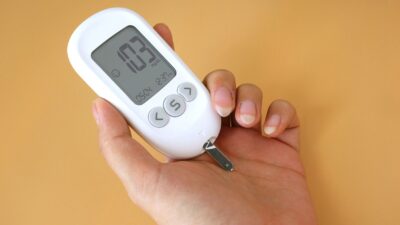
If you are not sure whether you feel low, check your glucose with a meter or continuous glucose monitor (CGM). A reading is the only way to know for sure.
Who Is Most Likely to Have Lows in Pregnancy
The risk depends mostly on whether you take glucose-lowering medicine.
- Type 1 diabetes. Severe lows are more common in the first trimester, when insulin needs can drop and morning sickness can make meals unpredictable.
- Type 2 or gestational diabetes treated with insulin or glyburide. These medicines can push glucose too low if a meal is late, small or skipped, or after extra activity.
- After delivery. NIDDK notes that glucose can fall quickly in the first days after birth, as insulin needs drop sharply. Breastfeeding can also raise the risk of lows at night.
- Gestational diabetes managed with diet alone. True lows are uncommon, because you are not taking medicine that lowers glucose.
If you do not have diabetes, a true low is unusual. You may feel shaky after a long gap without food or a bout of vomiting, but similar feelings can come from low blood pressure, dehydration or anemia. Tell your obstetric provider about repeated episodes rather than guessing the cause. Our guide to what is considered low blood sugar explains the cut-offs used for people with and without diabetes.
How to Treat a Low Blood Sugar While Pregnant
If you can swallow safely, NIDDK recommends the 15-15 rule:
- Check your glucose if you can. If it is below 70 mg/dL (3.9 mmol/L), go to step 2. If you cannot check but have symptoms, follow the plan your care team gave you.
- Take 15 grams of fast-acting carbohydrate, such as 4 ounces (half a cup) of juice or regular soda, glucose tablets or gel as directed on the label, or 1 tablespoon of sugar or honey.
- Wait 15 minutes, then check again.
- If you are still below 70 mg/dL (3.9 mmol/L), repeat the steps.
- Once you are back in range, eat a snack or meal if your next meal is more than an hour away.
Avoid treating a low with foods that are high in fat, such as chocolate, because fat slows how fast the sugar reaches your blood. You can find more practical tips in our guide on how to treat low blood sugar.
Severe Lows and Glucagon
A severe low means you cannot treat yourself. Glucagon raises blood sugar quickly and comes as an injection or a nasal powder. Ask your care team whether you should have a prescription, and teach your partner or a family member when and how to use it. After giving glucagon, they should call 911. Never try to put food, drink or glucose gel into the mouth of someone who is unconscious.
Tips to Help Prevent Lows in Pregnancy
- Eat meals and snacks at regular times, and ask your care team or dietitian whether you need a bedtime snack.
- Check your glucose before driving and do not drive if you are below your target.
- Carry glucose tablets or another fast-acting carbohydrate everywhere.
- Plan with your team for days with vomiting, when you may not keep food down.
- Ask about a CGM with low alerts, especially if you have type 1 diabetes or have had lows without warning signs.
- Never change your insulin dose on your own. Your care team adjusts it as pregnancy changes your needs.
When to Call Your Care Team
Contact your obstetric or diabetes care team if you:
- Have any reading below 54 mg/dL (3.0 mmol/L) or a low that needed someone else’s help
- Have lows more than once or twice a week, or at the same time of day on several days
- Wake up with symptoms of a nighttime low
- Cannot keep food down because of nausea or vomiting
- Have symptoms that sound like a low but you do not have diabetes
These patterns often mean your medicine or meal plan needs a change, which your care team can make safely.
The Bottom Line
Low blood sugar during pregnancy symptoms range from shakiness, sweating and hunger to confusion and seizures. Lows are most common if you take insulin, and they can be harder to notice while pregnant. Check your glucose when in doubt, treat readings below 70 mg/dL (3.9 mmol/L) with the 15-15 rule, and make sure someone close to you knows how to use glucagon. Report frequent or severe lows to your care team. To learn more about other warning signs, visit our prediabetes symptoms hub.