Steroid-induced diabetes is the most common form of drug-induced diabetes. Glucocorticoids cause hyperglycemia by raising hepatic glucose production, reducing peripheral insulin sensitivity, and impairing pancreatic insulin secretion. Risk rises sharply with prednisone above 7.5 mg daily for more than 3 months or any high-dose course. The classic glucose pattern is normal fasting with afternoon and evening peaks.
What Is Steroid-Induced Diabetes?
Steroid-induced diabetes — sometimes called glucocorticoid-induced or steroid-induced hyperglycemia — is a form of secondary diabetes caused by exogenous glucocorticoid therapy. It is the most common cause of drug-induced diabetes and one of the most predictable in clinical medicine.
Glucocorticoids are used to treat a wide range of conditions — autoimmune diseases, asthma exacerbations, COPD flares, inflammatory bowel disease, organ transplant rejection prophylaxis, allergic reactions, certain cancers, and more. The benefits often outweigh the metabolic costs, but recognizing and managing the glucose effects is essential for safe long-term therapy.
How Glucocorticoids Raise Glucose
Three main mechanisms drive steroid-induced hyperglycemia:
- Increased hepatic gluconeogenesis — glucocorticoids upregulate enzymes (PEPCK, glucose-6-phosphatase) that convert amino acids and glycerol into glucose
- Reduced peripheral glucose uptake — glucocorticoids impair insulin signaling in skeletal muscle and adipose tissue, producing insulin resistance
- Impaired beta-cell function — pancreatic insulin secretion is reduced, especially in people with subclinical beta-cell dysfunction
Risk Factors
| Risk Factor | Why It Matters |
|---|---|
| Higher steroid dose | Effect is dose-dependent — risk rises sharply above prednisone 10 mg daily |
| Longer duration | Greater than 3 months substantially increases risk |
| Higher potency steroid | Dexamethasone and betamethasone are more potent and longer-acting than prednisone |
| Older age | Beta-cell reserve declines with age |
| Family history of type 2 diabetes | Genetic insulin resistance predisposes |
| Obesity | Baseline insulin resistance amplifies the steroid effect |
| Prediabetes | Marginal beta-cell function tips into overt diabetes |
| Pregnancy | Pregnancy itself increases insulin resistance |
| Pacific or South Asian ancestry | Higher background insulin resistance in some populations |
Steroid Potency and Duration of Action
| Drug | Glucocorticoid Potency (vs. hydrocortisone) | Duration of Action |
|---|---|---|
| Hydrocortisone | 1 | Short (8 to 12 hours) |
| Prednisone | 4 | Intermediate (12 to 36 hours) |
| Prednisolone | 4 | Intermediate |
| Methylprednisolone | 5 | Intermediate |
| Triamcinolone | 5 | Intermediate |
| Dexamethasone | 25 to 30 | Long (36 to 54 hours) |
| Betamethasone | 25 to 30 | Long |
The Characteristic Glucose Pattern
Steroid-induced diabetes produces a glucose pattern that differs from typical type 2 diabetes:
- Morning fasting glucose — often normal or only mildly elevated when steroids are taken once daily in the morning
- Post-lunch glucose — frequently markedly elevated
- Afternoon and evening glucose — peak glycemic effect
- Pre-bedtime glucose — often the highest of the day
- Overnight — glucose may drift downward, allowing morning normalization
This pattern reflects the pharmacokinetics of intermediate-acting steroids — peak action 4 to 8 hours after the morning dose. Dexamethasone and twice-daily prednisone produce more sustained elevation throughout the day.
Symptoms
- Increased thirst and urination (especially in the afternoon and evening)
- Fatigue and weakness
- Blurred vision
- Unexpected weight loss despite steroid-induced appetite increase
- Slow healing of wounds
- Recurrent infections — particularly skin and urinary tract
- Frank hyperglycemic crises (hyperosmolar hyperglycemic state) — uncommon but reported with high-dose steroids in vulnerable patients
Diagnosis
Screening Before Starting Steroids
Baseline A1C, fasting glucose, and BMI should be documented before starting any long-term steroid course. Identifying prediabetes or undiagnosed diabetes allows pre-emptive monitoring and intervention. See our A1C levels guide for context on baseline screening.
Monitoring During Steroid Therapy
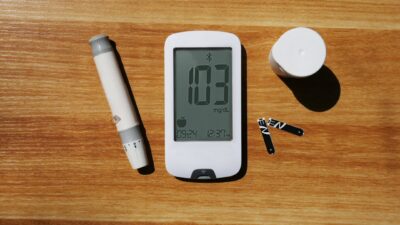
- Post-meal or random afternoon glucose checks are more sensitive than fasting alone
- Targeted post-lunch glucose (1 to 2 hours after the meal) catches most cases
- A1C is less reliable in acute steroid exposure because it reflects 8 to 12 weeks of average glucose
- Continuous glucose monitoring (CGM) is increasingly used in high-risk patients
Diagnostic Criteria
- Random glucose ≥200 mg/dL plus symptoms
- Fasting glucose ≥126 mg/dL on two occasions
- 2-hour OGTT glucose ≥200 mg/dL
- A1C ≥6.5 percent (less sensitive in acute steroid exposure)
Treatment
Treatment is matched to the steroid regimen and severity of hyperglycemia. Decisions about specific medications should be made with a doctor.
Lifestyle
- Reduced refined carbohydrate intake, especially at lunch and afternoon snacks
- Increased physical activity around the post-steroid glucose peak
- Weight management — steroids increase appetite, so deliberate dietary planning is needed
- See diet and nutrition for broader principles
Oral Medications
| Class | Role |
|---|---|
| Metformin | First-line oral agent for mild to moderate elevation |
| DPP-4 inhibitors | Useful — mild effect, low hypoglycemia risk |
| SGLT2 inhibitors | Emerging role; caution with volume status and DKA risk |
| GLP-1 receptor agonists | Useful — also counter steroid-induced appetite |
| Sulfonylureas | Hypoglycemia risk overnight when steroid effect wanes |
| Pioglitazone | Improves insulin sensitivity but fluid retention concern with concurrent steroids |
Insulin Strategies
- NPH (intermediate-acting) insulin in the morning — matches the prednisone glucose peak in the afternoon and evening
- Glargine or detemir for dexamethasone (longer half-life)
- Pre-lunch and pre-dinner rapid-acting insulin if needed
- Doses adjusted as steroid dose is tapered to avoid hypoglycemia
Adjusting for Steroid Tapers
- As prednisone is reduced, insulin and oral medication doses should be reduced proportionately
- Hypoglycemia is the main risk during taper if medications are not adjusted
- Re-test A1C and fasting glucose 4 to 12 weeks after the taper is complete
Special Situations
Pulse-Dose Steroids
Short bursts of high-dose IV methylprednisolone (often used in MS flares, asthma, organ rejection) cause rapid, severe hyperglycemia. Inpatient insulin protocols are typically required. Glucose often normalizes within days of stopping the pulse.
Inhaled and Topical Steroids
- Standard-dose inhaled steroids for asthma rarely cause meaningful systemic hyperglycemia
- High-dose inhaled or topical preparations can have a small systemic effect
- Intra-articular injections can cause transient hyperglycemia lasting days
Stress-Dose Steroids in Surgery
Patients on chronic steroids who undergo surgery often receive stress-dose steroids and may have temporary worsening of hyperglycemia. Insulin infusions are commonly used perioperatively.
Reversibility and Long-Term Outlook
- Roughly half of cases resolve when the steroid is stopped or tapered to low dose
- Persistent diabetes is more likely with prolonged exposure, older age, obesity, family history, or pre-existing prediabetes
- Re-check fasting glucose, A1C, and weight 4 to 12 weeks after steroid discontinuation
- Standard diabetes complications develop with prolonged uncontrolled hyperglycemia — see complications and related conditions
Prevention
- Use the lowest effective steroid dose for the shortest required duration
- Consider steroid-sparing alternatives (biologics, immunomodulators) for long-term therapy
- Screen high-risk patients before starting (A1C, fasting glucose)
- Monitor glucose during long courses — especially post-lunch and pre-dinner
- Continue weight, diet, and physical activity habits despite steroid-induced appetite
- Address modifiable risk factors before elective steroid courses where possible
Related Reading
For more on related drug- and hormone-induced diabetes, see our companion guides on Cushing’s-induced diabetes, secondary diabetes, and the prediabetes basics hub.
The Bottom Line
Steroid-induced diabetes is the most common form of drug-induced diabetes and is largely predictable from the dose, duration, and potency of the glucocorticoid. The characteristic glucose pattern — normal fasting with afternoon and evening peaks — means standard morning monitoring can miss it; post-lunch glucose checks are more sensitive. Treatment combines lifestyle, metformin or other oral agents, and morning NPH or basal-bolus insulin matched to steroid pharmacokinetics. Diabetes often resolves with steroid taper but can persist in high-risk individuals. Talk to your doctor about glucose monitoring before and during any long-term steroid course.