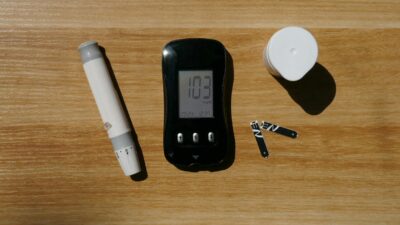
Most women with prediabetes have no obvious symptoms. When signs do appear, they are often mistaken for stress, perimenopause, or normal aging — unexplained fatigue, increased thirst, frequent yeast infections, dark patches on the neck, and menstrual changes. Because symptoms are subtle, risk-based screening matters more than waiting for something to feel wrong.
Why Symptoms Can Look Different in Women
Prediabetes is driven by insulin resistance, and insulin resistance interacts with female reproductive hormones. Estrogen and progesterone influence how cells respond to insulin, which is why symptoms can cluster around menstrual cycles, pregnancy, and menopause. Women are also more likely to present with fatigue, mood changes, and recurring infections rather than the classic “three Ps” (polyuria, polydipsia, polyphagia) seen in advanced type 2 diabetes.
Common Symptoms of Prediabetes in Women
- Persistent fatigue — especially an afternoon energy crash
- Increased thirst and urination — subtle at first, often noticed at night
- Unexpected hunger between meals — driven by insulin spikes and dips
- Skin changes — acanthosis nigricans (dark velvety patches on the neck, armpits, groin) and multiple skin tags
- Recurring yeast infections — genital or oral thrush
- Frequent urinary tract infections
- Slow-healing cuts or scratches
- Blurry vision episodes
- Tingling or numbness in feet — early neuropathy
- Mood changes — irritability, low motivation, brain fog
For a broader overview, see our prediabetes symptoms hub.
Menstrual and Reproductive Signs
Insulin resistance affects ovulation and androgen balance. Watch for:
- Irregular cycles — longer than 35 days or fewer than 9 periods per year
- Heavy or prolonged bleeding
- New or worsening acne, especially jawline
- Excess hair on the face, chest, or abdomen (hirsutism)
- Difficulty conceiving
- A history of gestational diabetes — doubles lifetime risk of type 2 diabetes
- PCOS diagnosis — up to 70% of women with PCOS have insulin resistance
Symptoms Around Menopause
Peri- and post-menopausal women face a unique window of risk. Estrogen decline reduces insulin sensitivity, abdominal fat increases, and muscle mass drops — all factors that raise prediabetes risk. Symptoms often blur with menopause itself:
- New central (waist) weight gain
- Worsening night sweats that may mimic nocturnal hypoglycemia
- Fatigue disproportionate to sleep quality
- Sudden dietary sensitivities or reactive hunger
If you’re in this transition, ask your doctor to include fasting glucose and A1C at your annual physical.
Risk Factors That Amplify Symptoms
| Risk factor | Why it matters for women |
|---|---|
| Waist > 35 inches | Abdominal fat drives insulin resistance |
| BMI ≥ 25 (or ≥ 23 in Asian Americans) | Raises risk even without other factors |
| PCOS | 70% overlap with insulin resistance |
| History of gestational diabetes | ~50% lifetime risk of type 2 diabetes |
| Family history of diabetes | First-degree relatives multiply risk |
| High blood pressure / high triglycerides | Markers of metabolic syndrome |
| Sedentary lifestyle | Muscle is where 80% of glucose is stored |
| Age 40+ | Insulin sensitivity declines with age |
Acanthosis Nigricans: The Visible Sign
One of the most specific skin signs of insulin resistance in women is acanthosis nigricans — dark, velvety patches that look like they won’t wash off, usually on the back of the neck, armpits, or groin. It’s harmless by itself but a strong signal that insulin levels have been elevated for a while. If you see it, request a fasting insulin, fasting glucose, and A1C.
When to See Your Doctor
Make an appointment if you have any of the following:
- Two or more symptoms from the lists above
- New acanthosis nigricans or clusters of skin tags
- Irregular cycles plus weight gain
- A personal history of gestational diabetes, PCOS, or family history
- A waist measurement over 35 inches
The ADA recommends screening every 3 years starting at age 35, or earlier with risk factors.
What Happens at the Doctor’s Visit
Expect an A1C, fasting plasma glucose, or oral glucose tolerance test. A1C of 5.7-6.4% or fasting glucose of 100-125 mg/dL confirms prediabetes. Your doctor may also check lipids, blood pressure, TSH, and — if PCOS is suspected — androgens and fasting insulin.
Next Steps After a Prediabetes Diagnosis
The encouraging news: prediabetes is reversible in most women with early action. Evidence-based priorities:
- Lose 5-7% of body weight if overweight
- 150 minutes per week of brisk walking or equivalent
- Resistance training 2-3 times per week to preserve muscle
- A Mediterranean or low-glycemic diet — see our diet and nutrition hub
- Sleep 7-9 hours and address sleep apnea if present
- Discuss metformin with your doctor if you have PCOS or high-risk history
The Bottom Line
Symptoms of prediabetes in women are easy to miss because they mimic stress, hormonal changes, and normal aging. Persistent fatigue, irregular periods, skin changes, and recurrent infections deserve a blood glucose test — especially with risk factors like PCOS, a history of gestational diabetes, or a waist over 35 inches. Early detection gives you the best chance to reverse the condition before it progresses.