The most common symptoms of high blood sugar (hyperglycemia) are excessive thirst, frequent urination, fatigue, blurred vision, and headaches. These warning signs usually appear when glucose climbs above 180 mg/dL and tend to develop gradually, which is why many people miss them until a routine blood test reveals elevated numbers.
The Classic Early Warning Signs
Your body has a narrow comfortable range for blood sugar: roughly 70 to 140 mg/dL depending on whether you just ate. When glucose exceeds that range, the kidneys try to excrete the excess through urine. That single mechanism drives most of the earliest symptoms. Recognizing the pattern early is one of the simplest ways to catch prediabetes before it progresses to type 2 diabetes.
Common early signs include:
- Increased thirst (polydipsia) that is not quenched by normal water intake
- Frequent urination, especially waking two or more times at night
- Unexplained fatigue that lingers even after good sleep
- Blurred vision that fluctuates during the day as lens fluid shifts
- Headaches and difficulty concentrating
- Slow-healing cuts or frequent skin and gum infections
- Dry, itchy skin, particularly on the lower legs
Symptom Severity by Glucose Range
Not every elevated reading produces noticeable symptoms. The table below maps typical glucose ranges to the signs most people report, based on guidance from the American Diabetes Association.
| Blood Glucose (mg/dL) | Category | Typical Symptoms |
|---|---|---|
| 140-180 | Mildly elevated | Often silent; mild thirst or fatigue possible |
| 181-250 | Moderate hyperglycemia | Clear thirst, frequent urination, blurred vision |
| 251-400 | Marked hyperglycemia | Headache, nausea, weakness, dry mouth |
| Over 400 with ketones | Emergency (DKA risk) | Fruity breath, confusion, rapid breathing, vomiting |
When Symptoms Become an Emergency
Most episodes of mild hyperglycemia resolve with water, movement, and a sensible next meal. But certain symptoms mean you need immediate care. Fruity or acetone-smelling breath, deep rapid breathing (Kussmaul respirations), persistent vomiting, abdominal pain, confusion, or loss of consciousness suggest diabetic ketoacidosis or a hyperosmolar hyperglycemic state. Both are medical emergencies and require an ER visit, not a clinic appointment.
Call 911 or have someone drive you to the nearest emergency department if you experience any of those red flags, especially alongside a glucose reading above 300 mg/dL.
Why Symptoms Vary From Person to Person
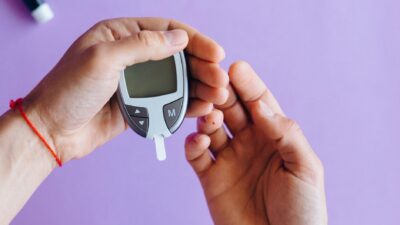
Two people with identical glucose readings may feel completely different. Age, hydration status, kidney function, and how quickly your body adapted to chronically elevated glucose all shape what you notice. People with long-standing prediabetes sometimes feel fine at 200 mg/dL because their nervous system has adjusted, while someone with rapid-onset hyperglycemia may feel very ill at 160 mg/dL. This is why numbers, not feelings, should guide decisions. A reliable glucose meter or continuous glucose monitor removes the guesswork.
Factors That Amplify Symptoms
- Dehydration from heat, exercise, or illness
- Alcohol use, which masks early warning signs
- Medications such as corticosteroids or some antipsychotics
- Acute infections (flu, UTI) that raise stress hormones
- Poor sleep, which reduces insulin sensitivity
What to Do When You Notice Symptoms
Start with a structured check. If you own a meter, test immediately and record the value. If not, drink 16 ounces of water, take a 10 to 15 minute walk if able, and avoid additional carbohydrates for the next two hours. Retest or seek care if symptoms persist. Lifestyle strategies outlined on our diet and nutrition hub, including lower-glycemic meals and consistent movement, are the foundation for preventing future spikes.
Schedule a fasting blood test or A1C with your clinician if symptoms appear more than once a week. An A1C test reflects your average glucose over the past 90 days and will confirm whether you have crossed into prediabetes (5.7 to 6.4 percent) or diabetes (6.5 percent or higher).
Preventing the Next Spike
Once the current episode settles, look backward to identify what pushed glucose up. Common triggers include oversized carbohydrate portions, sugary drinks on an empty stomach, skipped medications, under-sleeping, and emotional stress. Keeping a simple food-mood-glucose log for two weeks usually reveals the top two or three drivers. Addressing just those, rather than overhauling everything, tends to produce the most sustainable improvement.
The Bottom Line
Early symptoms of high blood sugar, thirst, frequent urination, fatigue, and blurred vision, are your body’s signal that glucose has climbed above its comfortable range. Mild episodes respond to water, movement, and better meal timing. Severe symptoms such as fruity breath, confusion, or vomiting are emergencies that require immediate care. If warning signs appear more than occasionally, request an A1C test and work with your clinician to build a personalized plan.
This article is for educational purposes only and is not a substitute for professional medical advice. Always consult your physician about blood sugar concerns, especially before making changes to medication or treatment plans.