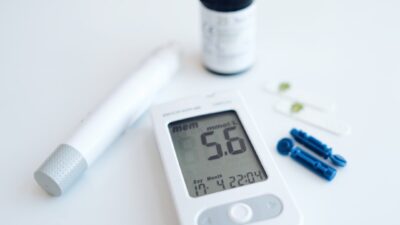
ADHD and diabetes have a clinically meaningful relationship that is often missed in routine diabetes care. Adults with ADHD have higher A1C, more missed medication doses, less consistent glucose monitoring, and increased complication risk compared with adults with diabetes alone. The mechanism is largely executive function difficulty — the cognitive abilities of planning, working memory, time management, and consistent attention to detail that diabetes self-management heavily requires. Stimulant medications for ADHD generally do not require diabetes medication adjustments and may modestly improve self-management indirectly. CGMs, hybrid closed-loop pumps, and other technology that reduces cognitive load are particularly valuable for adults with both conditions. Recognizing ADHD in adults with poorly controlled diabetes can be transformative — what looks like noncompliance is often unmanaged executive function difficulty.
The Scope of the Problem
| Population | ADHD prevalence | Notes |
|---|---|---|
| General adults | 4-5% | Often undiagnosed in adulthood |
| Adults with type 2 diabetes | 5-7% | ~1.4× higher |
| Adults with type 1 diabetes | 6-9% | ~1.6× higher; some studies higher |
| Pediatric T1D | 10-15% | ~2× peers |
| Severely uncontrolled T1D adults | 15-25% | ADHD often undiagnosed |
| Adults with hypoglycemia unawareness | ~15% | Some overlap with ADHD inattention |
How ADHD Affects Diabetes Self-Management
- Inconsistent glucose monitoring: forgetting to check, missing planned check times.
- Missed insulin doses: forgetting basal, forgetting mealtime boluses, double-dosing from forgetting whether you took it.
- Carbohydrate-counting errors: skipping the mental math, eyeballing inaccurately, eating off-plan.
- Inconsistent timing: irregular meal times, late insulin doses, varied sleep.
- Difficulty with planning: running out of supplies, forgetting refills, missing appointments.
- Impulsive eating: stress eating, food rewards, all-or-nothing food choices.
- Inconsistent exercise: starts strong, drops off, restarts cycle.
Three Distinct ADHD Subtypes
- Inattentive presentation: difficulty sustaining attention, careless mistakes, easily distracted, poor follow-through. Most relevant for diabetes self-management.
- Hyperactive-impulsive presentation: restlessness, impulsive decisions, talking over others. Affects food choices, planning.
- Combined presentation: both inattentive and hyperactive features.
- Adults often have predominantly inattentive presentations even if hyperactivity was prominent in childhood.
- The inattentive presentation is often missed because it doesn’t disrupt class or workplace as visibly.
Stimulant Medications and Glucose
| Stimulant | Glucose effect | Diabetes notes |
|---|---|---|
| Methylphenidate (Ritalin, Concerta) | Minimal direct effect | Generally safe in diabetes |
| Mixed amphetamine salts (Adderall) | Minimal direct effect | Generally safe in diabetes |
| Lisdexamfetamine (Vyvanse) | Minimal direct effect | FDA-approved for binge eating disorder |
| Dexmethylphenidate (Focalin) | Minimal direct effect | Generally safe |
| Atomoxetine (Strattera) | Minimal direct effect | Non-stimulant; useful with substance abuse history |
| Guanfacine (Intuniv) | Can lower blood pressure | Non-stimulant; useful with hypertension |
| Clonidine (Kapvay) | Can lower blood pressure | Non-stimulant |
Cardiovascular Considerations
- Stimulants raise heart rate by 3 to 10 bpm and systolic blood pressure by 2 to 5 mmHg.
- For adults with diabetes and established cardiovascular disease, this matters more than for healthy adults.
- Baseline cardiac evaluation before stimulant initiation is reasonable for adults with diabetes and CV history.
- Atomoxetine and guanfacine are non-stimulant alternatives with different cardiovascular profiles.
- Most adults with type 2 diabetes can safely take stimulants with appropriate monitoring.
Stimulants and Appetite/Weight
- Stimulants reduce appetite, particularly in the morning and midday.
- Average weight loss with stimulant treatment: 2 to 4 kg over 6 months in adults.
- For type 2 diabetes with obesity, this can be a clinical benefit.
- Lisdexamfetamine (Vyvanse) is FDA-approved for binge eating disorder — potentially useful when both BED and ADHD are present.
- Risk: under-eating, particularly during medication peak; ensure adequate protein and balanced meals during periods of reduced appetite.
- For T1D adults on insulin, reduced food intake may require lower mealtime doses; CGM monitoring during stimulant initiation helps.
Technology Tools That Help
- CGMs (Dexcom G7, FreeStyle Libre 3): continuous data without manual checking; alarms for highs and lows.
- Hybrid closed-loop pumps (Omnipod 5, Tandem Control-IQ, Medtronic 780G): automate much of the insulin dosing.
- Smart insulin pens (InPen): log doses automatically; dose calculator built in.
- Diabetes app reminders: scheduled prompts for boluses, glucose checks, refills.
- Carb-counting apps (MyFitnessPal, Carb Manager): reduce mental math.
- Pharmacy auto-refill: reduces planning burden for supply ordering.
- Telehealth visits: reduce missed appointment burden.
Behavioral Strategies for Diabetes + ADHD
- Routine simplification: consistent meal times, similar food choices, fewer daily decisions.
- Visible reminders: pill organizers on the counter, calendar prompts, partner reminders.
- Body doubling: doing diabetes tasks at the same time as another person.
- If-then planning: “If I eat lunch, then I take my mealtime insulin” — automating decisions.
- Externalize working memory: write everything down; don’t trust memory.
- Reduce friction: keep glucose meter in the kitchen, insulin pen in the lunch bag — reduce steps to action.
- Limit decisions: meal-prep on Sunday, eliminate daily food decisions.
Coexisting Conditions
- Anxiety disorders coexist with ADHD in 25-50% of adults.
- Depression coexists in 20-40%.
- Binge eating disorder coexists in 25-30% — particularly relevant for diabetes management.
- Substance use disorders show overlap; non-stimulant ADHD medications are preferred in this case.
- Sleep disorders (delayed sleep phase, insomnia) commonly coexist and worsen both conditions.
Diagnosing Adult ADHD
- Adult ADHD is often missed because attention to childhood symptoms drops off.
- Diagnostic criteria require symptoms present since childhood (before age 12), causing impairment in at least two settings.
- Validated screening tools: ASRS (Adult ADHD Self-Report Scale, 6-item version).
- Full diagnostic evaluation by a psychiatrist, psychologist, or PCP with ADHD experience.
- For adults with poorly controlled diabetes despite trying, ADHD evaluation may be revelatory.
- Late diagnosis is common — many adults are diagnosed in their 30s, 40s, or later.
Practical Daily Strategies
- Use CGM rather than fingersticks if possible — eliminates remembering to check.
- Use a hybrid closed-loop pump if on insulin — automates basal adjustments.
- Set medication alarms on phone for basal insulin, oral medications.
- Keep supplies in visible, consistent locations.
- Make breakfast a fixed routine — first meal of the day is where ADHD adherence drops most.
- Eat protein-rich meals to support stimulant medication and stabilize glucose.
- Limit caffeine after lunch — interacts with stimulants and disrupts sleep.
- Build in structured exercise — supports ADHD treatment and improves glucose.
When to Seek Professional Help
- Persistent difficulty with diabetes self-management despite understanding the regimen.
- A1C above target despite reasonable medication adjustments.
- Childhood history of inattention, hyperactivity, or impulsivity.
- Difficulty with planning, time management, or follow-through in multiple life areas.
- Family history of ADHD.
- Coexisting anxiety, depression, or binge eating.
- An evaluation by a psychiatrist or psychologist experienced in adult ADHD is the next step.
The Bottom Line
ADHD occurs at modestly elevated rates in adults with diabetes — approximately 5 to 9% versus 4 to 5% in the general population, with higher rates in adolescents with type 1 diabetes. The clinical importance comes from how strongly ADHD affects diabetes self-management: higher A1C, more missed insulin doses, less consistent glucose monitoring, and increased complication risk. The mechanism is largely executive function difficulty — planning, working memory, time management, and consistent attention. Stimulant medications (methylphenidate, amphetamines) generally do not require diabetes medication adjustments and may modestly reduce appetite and weight (often a clinical benefit in type 2 diabetes). Atomoxetine and guanfacine are non-stimulant alternatives. CGMs, hybrid closed-loop pumps, and other cognitive-load-reducing technology are particularly valuable for adults with both conditions. Routine simplification, visible reminders, and reduced daily decisions help substantially. For adults with poorly controlled diabetes despite understanding the regimen, an ADHD evaluation may be revelatory. What looks like noncompliance is often unmanaged executive function difficulty. Treatment of ADHD often improves diabetes outcomes meaningfully. See our broader diabetes burnout guide for related context on emotional exhaustion in diabetes management.