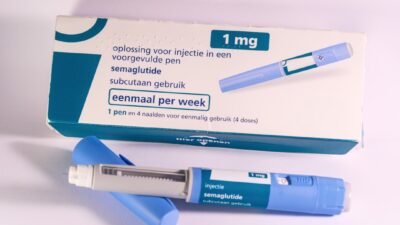
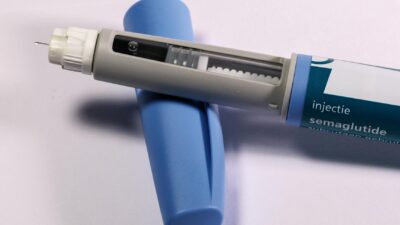
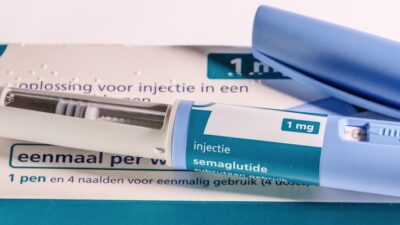
The best compounding pharmacy for semaglutide is state-licensed, registered as either a 503A or 503B facility, complies with USP 797 sterile compounding standards, discloses its active ingredient source, and only dispenses with a valid prescription. Legitimate pharmacies publish license numbers, answer sourcing questions, and ship within the United States. Avoid any site that sells without a prescription, ships from overseas, or advertises “semaglutide salt” (semaglutide sodium or acetate) — the FDA has flagged those as not equivalent to the approved drug.
Why Compounded Semaglutide Exists at All
Compounding is legal under Section 503A of the Federal Food, Drug, and Cosmetic Act when a commercial drug is in shortage. Branded semaglutide (Ozempic and Wegovy from Novo Nordisk) has been on the FDA shortage list since 2022, which lets licensed compounding pharmacies prepare patient-specific semaglutide injections from bulk API. This arrangement ends automatically when the FDA declares the shortage resolved.
See our companion guide on treatment for the broader picture of GLP-1 options.
503A vs 503B: What the Difference Means for You
| Feature | 503A Pharmacy | 503B Outsourcing Facility |
|---|---|---|
| Oversight | State board of pharmacy | FDA directly, plus state |
| Prescription required | Patient-specific only | Can also be office-stock |
| Manufacturing standard | USP 797/795 | cGMP (pharmaceutical-grade) |
| Typical dispensing | Direct to patient | To clinics, sometimes to patients |
| Batch size | Single patient | Larger batches |
| Who uses them for GLP-1s | Most telehealth programs (Hims, Henry Meds, MOCHI, etc.) | Some in-office clinics, IV therapy centers |
The Checklist: How to Vet a Pharmacy Before Ordering
- State license: Look up the pharmacy on the state board’s website where it is physically located. The license should be active and in good standing, with no recent disciplinary actions.
- Physical US address: Legitimate pharmacies publish a street address. PO boxes, foreign addresses, or no address at all are red flags.
- Pharmacist in charge: Named on the license and typically listed on the website.
- API source: A real pharmacy will tell you which FDA-registered supplier it uses (commonly companies like Medisca, Letco, PCCA, or BCP Veterinary Pharmacy for human compounding).
- Certificate of analysis: Proof the API lot was tested for purity and identity. Ask to see one.
- USP 797 compliance: Sterile injectable compounding is high-risk. The pharmacy should state in writing that it is USP 797 compliant and inspected.
- Accreditation: NABP, LegitScript, VIPPS, or PCAB are third-party verifications.
- Prescription requirement: Any site that sells without a consultation and prescription is operating illegally.
- Shipping: Cold-chain packaging with ice packs; refrigerated overnight shipping. Warm, room-temperature arrival can degrade the peptide.
- Transparent pricing: Real pharmacies publish clear per-month costs, not mystery “membership” fees.
Red Flags That Should Stop the Transaction
- Sells without a prescription or telehealth consultation
- Ships from overseas (Mexico, India, China)
- Advertises “semaglutide sodium” or “semaglutide acetate” — the FDA has stated these salt forms are not the same as the approved drug
- No pharmacist-in-charge named
- No state license number displayed
- Accepts only cryptocurrency or wire transfer
- Offers “research-only, not for human use” product with a wink
- Unsolicited social media DMs or text message sales
- Refuses to share a certificate of analysis
How Telehealth Programs Fit In
Most consumers do not order directly from a compounding pharmacy; they go through a telehealth platform (Hims, Henry Meds, MOCHI, Found, Noom, etc.) that provides the clinician visit, writes the prescription, and partners with a compounding pharmacy to fulfill. You can still do the vetting: ask the telehealth platform which compounding pharmacy fills their orders, then verify that pharmacy’s license and standards yourself. Transparent platforms name the pharmacy; opaque ones dodge the question.
What Compounded Semaglutide Usually Costs
| Source | Typical Monthly Cost | What You Get |
|---|---|---|
| Direct 503A compounding pharmacy (with outside prescription) | $150–$300 | Vial or pen, patient-specific |
| Telehealth platform (Hims, Henry, MOCHI, etc.) | $199–$499 | Consultation + prescription + pharmacy fulfillment |
| Local clinic / med spa | $300–$600 | In-person visit + on-site dosing |
| Branded Wegovy / Ozempic retail (cash) | $950–$1,400 | FDA-approved product |
| Branded with commercial insurance copay | $25–$550 | FDA-approved product |
What to Ask Your Pharmacy Before the First Shipment
- What state are you licensed in, and what is your license number?
- Are you USP 797 compliant for sterile compounding?
- What API source do you use? Can I see a certificate of analysis?
- Do you use semaglutide base or a salt form? (The answer should be base only.)
- What is the beyond-use date on my vial?
- How do you handle cold-chain shipping?
- What happens to my prescription if the FDA ends the shortage?
- Who is the pharmacist in charge, and is there a PharmD available for questions?
The FDA Shortage Clock
The FDA drug shortage list status is the legal engine that keeps compounded semaglutide flowing. Novo Nordisk has been expanding manufacturing capacity, and the shortage could resolve at any time. If you use compounded semaglutide, plan ahead: keep 1 to 2 months of branded coverage options identified (insurance, savings cards, patient assistance), and have your clinician ready to switch you over. Sustained weight loss and metabolic improvement does not depend on the compounded version specifically — it depends on the active molecule and the follow-through.
Related Reading
See our guides on GLP-1 treatment and our companion article on diet-and-nutrition adjustments while taking semaglutide.
The Bottom Line
The best compounding pharmacy for semaglutide is one that proves its legitimacy: a current state license, 503A or 503B designation, USP 797 sterile standards, transparent API sourcing, valid-prescription dispensing, and proper cold-chain shipping. Use the vetting checklist above, verify the license yourself, and ask the hard questions before the first order. Compounded access is a legitimate option during the shortage — just make sure the pharmacy you use would still look legitimate to your own state pharmacy board if they walked in tomorrow.