The cheapest GLP-1 medications in the United States are FDA-approved generic or older branded agents paired with insurance coverage and manufacturer savings programs. Every GLP-1 is prescription-only, so cost-shopping should start with a licensed clinician and an FDA-approved product, not with unverified online vendors.
How GLP-1 Pricing Works
GLP-1 receptor agonists and dual GIP/GLP-1 agonists are a drug class used for type 2 diabetes, chronic weight management, and, for some agents, cardiovascular or obstructive sleep apnea indications. Because most are still under patent protection, list prices tend to run between $900 and $1,350 per month. Actual patient cost is influenced by:
- Insurance formulary tier and prior authorization rules
- Pharmacy (retail, mail-order, specialty)
- Manufacturer copay or savings programs
- Patient assistance programs for uninsured or underinsured patients
- Dose (some labels bill by unit or pen regardless of dose)
FDA-Approved Options Ranked by Typical Access Cost
Prices change; use this as a directional snapshot, not a quote. Always confirm with your prescriber and pharmacist.
| Medication (Generic) | FDA-Approved Uses | Cost Signal |
|---|---|---|
| Exenatide (Byetta, Bydureon BCise) | Type 2 diabetes | Lower list price; older class member |
| Liraglutide (Victoza, generic available) | Type 2 diabetes; Saxenda for obesity | Generic form may reduce cost meaningfully |
| Dulaglutide (Trulicity) | Type 2 diabetes; CV risk reduction | Branded; copay varies by plan |
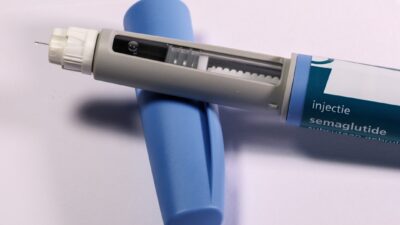
| Semaglutide (Ozempic, Wegovy, Rybelsus) | Type 2 diabetes; chronic weight management; CV risk reduction | High list price; robust savings cards for commercial insurance |
| Tirzepatide (Mounjaro, Zepbound) | Type 2 diabetes; chronic weight management; OSA | High list price; Lilly vials expanded self-pay access |
Dual agonists like tirzepatide are not technically GLP-1 mono-agonists, but many clinicians group them together for cost comparisons because they share indications and access pathways.
Why the Cheapest FDA-Approved Option Is Not Always the Best
Each GLP-1 has different FDA-approved indications, efficacy profiles, dosing routes, and safety data. The cheapest agent on a formulary may not match your clinical situation. Considerations include:
- Indication match: Only certain products are approved for weight management or cardiovascular risk reduction.
- Administration: Oral semaglutide (Rybelsus) exists but has different absorption requirements than injections.
- Side effect profile: Nausea, diarrhea, and injection-site reactions vary by molecule.
- Drug interactions: Concurrent insulin or sulfonylureas raise hypoglycemia risk.
Our treatment overview outlines how medication fits alongside nutrition, movement, and monitoring.
The Compounded GLP-1 Question
During recent shortages, compounded semaglutide and tirzepatide appeared widely online, often at prices far below branded list. The FDA has publicly warned that compounded versions are not FDA-approved for safety, effectiveness, or quality. Reported issues include dosing errors, use of unapproved salt forms, contamination, and adverse events requiring hospitalization.
As of 2025, the FDA removed both semaglutide and tirzepatide from the official shortage list, narrowing the legal pathway for mass compounding of copies. For accurate status, consult the FDA Drug Safety and Availability page. A lower price that trades away safety oversight is a different product category, not an apples-to-apples comparison.
How to Lower Your Out-of-Pocket Cost Safely
Work with your clinician and pharmacist to compare options you already qualify for:
- Check your formulary. Ask which GLP-1s are preferred on your plan and what tier applies.
- Request prior authorization support. Many clinics have staff dedicated to completing PA paperwork.
- Use manufacturer savings cards. For commercially insured patients, these can bring copays to $25 or less per fill.
- Ask about patient assistance programs. Lilly Cares, NovoCare, and similar programs help uninsured or underinsured patients who meet criteria.
- Compare pharmacies. Cash prices differ between retail chains, independents, and mail-order specialty pharmacies.
If cost is the primary barrier, also talk with your clinician about structured lifestyle programs and whether your risk profile warrants medication at all. See whether prediabetes is reversible for context on non-medication strategies.
Safety Considerations That Apply to Every Option
All GLP-1-class medications share certain warnings:
- Boxed warning for thyroid C-cell tumors in most products (contraindicated with personal or family history of medullary thyroid carcinoma or MEN 2)
- Pancreatitis and gallbladder disease risk
- GI side effects including nausea and vomiting
- Dehydration-related acute kidney injury
- Hypoglycemia risk when combined with insulin or sulfonylureas
Medical disclaimer: This article is educational only and is not medical advice. Do not start, stop, or change any prescription medication without consulting a licensed clinician.
The Bottom Line
The cheapest GLP-1 that actually fits your health is the one your clinician recommends, your insurance covers, and an FDA-approved pharmacy dispenses. Generics, older branded agents, and manufacturer savings programs usually set the price floor. Steer away from unverified compounded copies and treat cost as one input among many in a shared decision with your prescriber.