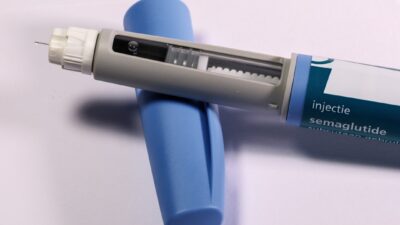
A compounded semaglutide dosage chart typically mirrors the FDA-approved titration used for brand-name products, beginning at 0.25 mg weekly and escalating every four weeks to a maintenance dose of up to 2.4 mg. Because compounded semaglutide is not FDA-approved, the only dosage chart that matters for you is the one written by your prescribing clinician.
What a Compounded Semaglutide Dosage Chart Looks Like
Most telehealth and compounding pharmacies base their charts on the titration schedules published for Ozempic and Wegovy. The goal is gradual exposure, not speed. Your body needs time to adjust to slowed gastric emptying, changes in appetite signaling, and shifts in blood sugar response.
A representative compounded semaglutide dosage chart looks like this, though your clinician may deviate based on tolerability, goals, and medical history.
| Week | Weekly Dose | Purpose |
|---|---|---|
| 1-4 | 0.25 mg | Initiation; gut adaptation |
| 5-8 | 0.5 mg | Tolerance building |
| 9-12 | 1.0 mg | Therapeutic range begins |
| 13-16 | 1.7 mg | Higher therapeutic dose |
| 17+ | 2.4 mg | Maintenance (weight management) |
Why Compounded Semaglutide Dosage Charts Are Not One-Size-Fits-All
Compounded medications are prepared by licensed pharmacies to meet individual patient needs. They are not reviewed or approved by the FDA for safety or efficacy. According to the U.S. Food and Drug Administration, patients should verify the source of any compounded GLP-1 medication and follow only a clinician-provided dosing plan.
The compounded semaglutide dosage chart your provider gives you may differ from a friend’s chart for several reasons: the vial concentration (mg/mL) is not standardized across pharmacies, your clinician may begin or plateau at different doses, and some plans include salt forms (like sodium or acetate) that are not used in the brand-name product.
Reading the Unit Markings on Your Syringe
Compounded semaglutide is often dispensed as a multi-dose vial. The milliliter volume you draw depends on the concentration. A 2.5 mg/mL vial requires a different syringe volume than a 5 mg/mL vial to deliver the same milligram dose. Always match the chart your pharmacy provides to the exact vial you hold.
Benefits Observed at Standard Semaglutide Doses
The STEP and SUSTAIN clinical trial programs tested semaglutide for weight management and type 2 diabetes. Published results in The New England Journal of Medicine reported an average 14.9% weight reduction at 68 weeks on 2.4 mg weekly versus 2.4% on placebo. A1C reductions of 1.5-1.8 percentage points were typical at 1.0 mg weekly in type 2 diabetes.
If you are exploring GLP-1 therapy as part of a broader plan, our prediabetes treatment overview explains where these medications fit alongside diet, exercise, and metformin.
Side Effects and When to Call Your Clinician
The most common side effects across every dose level are gastrointestinal: nausea, vomiting, diarrhea, constipation, and reflux. These typically peak in the days after a dose increase and fade within a week or two.
- Call your clinician for severe or persistent vomiting, signs of dehydration, or inability to keep fluids down.
- Seek urgent care for severe abdominal pain radiating to the back (possible pancreatitis), vision changes, or signs of an allergic reaction.
- Stop dose escalation if you cannot tolerate the current step; hold at the tolerated dose and contact your provider.
How Semaglutide Fits a Prediabetes Plan
For people with prediabetes, GLP-1 medications are one option among several, and lifestyle changes remain first-line. Tracking your progress with regular A1C testing and reviewing the fundamentals in our Prediabetes 101 hub will help you and your clinician decide whether the risks and costs of compounded semaglutide make sense for your situation.
Questions to Ask Before Accepting a Dosage Chart
Before you start any compounded semaglutide dosage chart, ask your prescriber and the pharmacy a few specific questions. The answers will tell you whether the plan is built around your needs or around a generic template.
- What is the concentration (mg/mL) of my specific vial, and has it been independently tested for potency?
- Is this semaglutide base or a salt form such as sodium or acetate? Only the base form is used in FDA-approved Ozempic and Wegovy.
- How long should I stay on each dose before escalating?
- What side effects mean I should pause titration, and which warrant a phone call or an urgent care visit?
- What is your protocol if I miss a weekly dose by a day, three days, or a full week?
- How will we monitor progress – weight, A1C, blood pressure, or all three – and at what intervals?
Safe Storage and Preparation
Compounded semaglutide is shipped refrigerated and should be stored between 36 and 46 degrees Fahrenheit. Do not freeze. Protect from light. Draw each dose with a fresh sterile syringe, clean the vial stopper with alcohol before each use, and rotate injection sites between the abdomen, thigh, and upper arm to minimize lipohypertrophy. Discard any vial that is cloudy, discolored, or past its beyond-use date.
The Bottom Line
A compounded semaglutide dosage chart is a titration framework, not a fixed prescription. The concentration of your specific vial, your personal tolerance, your medical history, and your treatment goals all shape the right dose for you. Follow only the chart provided by your prescribing clinician, never self-escalate, verify vial concentration before every draw, and report side effects promptly. When used alongside lifestyle changes and regular lab monitoring, semaglutide can be a powerful tool – but safe use starts with the dosing plan.
Medical Disclaimer: This content is for educational purposes only and is not a substitute for professional medical advice, diagnosis, or treatment. Always consult your physician or qualified healthcare provider with any questions about a medical condition or treatment.