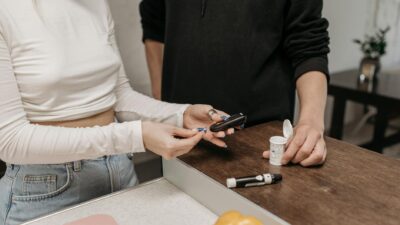
This is a complete 2025 reference list of FDA-approved diabetes medications organized by drug class. Each section includes generic names, brand names, typical A1C effect, and key considerations. Use this as a starting point for conversations with your clinician, not as a substitute for personalized medical advice.
Biguanides
Biguanides reduce liver glucose production and improve insulin sensitivity. Metformin is the only biguanide currently marketed in the United States.
- Metformin (Glucophage, Glucophage XR, Fortamet, Glumetza, Riomet)
A1C reduction: 1.0 to 1.5 percent. Weight: neutral. Hypoglycemia risk: low. Common side effects: gastrointestinal upset, vitamin B12 reduction with long-term use. Reduced dose needed if eGFR below 45; avoided below 30.
Sulfonylureas
Sulfonylureas stimulate the pancreas to release more insulin. They are inexpensive but cause weight gain and hypoglycemia.
- Glipizide (Glucotrol, Glucotrol XL)
- Glimepiride (Amaryl)
- Glyburide (DiaBeta, Micronase, Glynase)
A1C reduction: 1.0 to 1.5 percent. Weight: gain of 2 to 5 pounds. Hypoglycemia risk: moderate to high, particularly with glyburide in older adults.
Glinides (Meglitinides)
Glinides also stimulate insulin release but with faster onset and shorter duration than sulfonylureas.
- Repaglinide (Prandin)
- Nateglinide (Starlix)
A1C reduction: 0.5 to 1.5 percent. Useful for irregular meal schedules.
Thiazolidinediones (TZDs)
TZDs improve insulin sensitivity in muscle and fat tissue. Rosiglitazone (Avandia) is still available but rarely used. Pioglitazone is the main drug in this class.
- Pioglitazone (Actos)
- Rosiglitazone (Avandia)
A1C reduction: 0.5 to 1.4 percent. Weight: gain of 5 to 10 pounds. Side effects include fluid retention, heart failure, and bone fractures.
Alpha-Glucosidase Inhibitors
These drugs slow carbohydrate absorption from the gut.
- Acarbose (Precose)
- Miglitol (Glyset)
A1C reduction: 0.5 to 0.8 percent. Common side effects: gas, bloating, diarrhea.
DPP-4 Inhibitors
DPP-4 inhibitors prevent breakdown of natural GLP-1 and GIP hormones.
- Sitagliptin (Januvia)
- Saxagliptin (Onglyza)
- Linagliptin (Tradjenta)
- Alogliptin (Nesina)
A1C reduction: 0.5 to 0.8 percent. Weight: neutral. Hypoglycemia risk: low alone.
SGLT2 Inhibitors
SGLT2 inhibitors cause excess glucose to be excreted in urine and offer heart and kidney benefits.
- Empagliflozin (Jardiance)
- Dapagliflozin (Farxiga)
- Canagliflozin (Invokana)
- Ertugliflozin (Steglatro)
- Bexagliflozin (Brenzavvy)
A1C reduction: 0.5 to 1.0 percent. Weight: loss of 4 to 7 pounds. Cardiovascular benefit: yes for empagliflozin, dapagliflozin, canagliflozin. Side effects: genital yeast infections, urinary tract infections, rare ketoacidosis.
GLP-1 Receptor Agonists
GLP-1 agonists mimic a gut hormone, stimulating meal-time insulin and reducing appetite.
- Semaglutide injectable (Ozempic), oral (Rybelsus), high-dose for weight loss (Wegovy)
- Dulaglutide (Trulicity)
- Liraglutide (Victoza for diabetes, Saxenda for weight loss)
- Exenatide (Byetta twice daily, Bydureon weekly)
- Lixisenatide (Adlyxin)
A1C reduction: 1.0 to 2.0 percent. Weight: loss of 5 to 15 percent. Cardiovascular benefit: yes for semaglutide, dulaglutide, liraglutide.
Dual GIP/GLP-1 Agonists
A newer class combining two incretin mechanisms for greater potency.
- Tirzepatide (Mounjaro for diabetes, Zepbound for weight loss)
A1C reduction: 1.8 to 2.4 percent. Weight: loss of 15 to 20 percent. Cardiovascular trials ongoing.
Amylin Analogs
- Pramlintide (Symlin)
Injectable, used alongside mealtime insulin in some patients with type 1 or insulin-requiring type 2 diabetes.
Bile Acid Sequestrants (Off-Label)
- Colesevelam (Welchol)
Primarily a cholesterol drug; lowers A1C modestly. Rarely used as primary diabetes therapy.
Dopamine Agonists
- Bromocriptine (Cycloset)
Modest A1C reduction; rarely used.
Insulins
Insulin remains essential for type 1 diabetes and often for advanced type 2. Insulins are grouped by onset and duration.
Rapid-Acting (Bolus)
- Insulin lispro (Humalog, Admelog, Lyumjev)
- Insulin aspart (NovoLog, Fiasp)
- Insulin glulisine (Apidra)
Onset 10 to 15 minutes; duration 3 to 5 hours. Taken at meals.
Short-Acting (Regular)
- Regular insulin (Humulin R, Novolin R)
Onset 30 minutes; duration 5 to 8 hours.
Intermediate-Acting
- NPH insulin (Humulin N, Novolin N)
Onset 1 to 3 hours; duration 12 to 16 hours.
Long-Acting (Basal)
- Insulin glargine (Lantus, Basaglar, Semglee)
- Insulin detemir (Levemir)
Onset 1 to 2 hours; duration up to 24 hours.
Ultra-Long-Acting
- Insulin degludec (Tresiba)
- Insulin glargine U-300 (Toujeo)
- Insulin icodec (Awiqli, weekly)
Duration 36 to 42 hours for daily; once-weekly for icodec.
Premixed Insulins
- Humulin 70/30, Novolin 70/30
- Humalog Mix 75/25, Mix 50/50
- NovoLog Mix 70/30
Fixed-Ratio Injectables
Combinations of basal insulin with a GLP-1 agonist in one pen.
- Insulin glargine + lixisenatide (Soliqua)
- Insulin degludec + liraglutide (Xultophy)
Oral Combination Products
Many combinations exist for metformin plus other classes.
- Metformin + sitagliptin (Janumet)
- Metformin + linagliptin (Jentadueto)
- Metformin + empagliflozin (Synjardy)
- Metformin + dapagliflozin (Xigduo XR)
- Metformin + canagliflozin (Invokamet)
- Empagliflozin + linagliptin (Glyxambi)
- Dapagliflozin + saxagliptin (Qtern)
Comparative Summary Table
| Class | Key Examples | A1C Effect | Weight |
|---|---|---|---|
| Biguanides | Metformin | -1.0 to -1.5% | Neutral |
| Sulfonylureas | Glipizide, glimepiride | -1.0 to -1.5% | Gain |
| TZDs | Pioglitazone | -0.5 to -1.4% | Gain |
| DPP-4 | Sitagliptin, linagliptin | -0.5 to -0.8% | Neutral |
| SGLT2 | Empagliflozin, dapagliflozin | -0.5 to -1.0% | Loss |
| GLP-1 | Semaglutide, dulaglutide | -1.0 to -2.0% | Loss |
| Dual GIP/GLP-1 | Tirzepatide | -1.8 to -2.4% | Large loss |
| Insulin | Glargine, degludec | Variable, large | Gain |
How Drug Selection Works
According to the FDA and current ADA guidelines, choice of diabetes medication depends on A1C, weight, heart and kidney disease, hypoglycemia risk, and cost. See our guides on treatment options and prediabetes basics for context.
Emerging and Pipeline Drugs
Several novel agents are in late-stage development.
- Retatrutide — triple GIP/GLP-1/glucagon agonist
- Orforglipron — oral non-peptide GLP-1 agonist
- CagriSema — cagrilintide plus semaglutide combination
These are not yet FDA-approved as of early 2025 but may launch within the next two to three years.
Cost and Access Considerations
Prices vary widely. Generic metformin, sulfonylureas, and some insulins can cost under $25 per month. Brand-name GLP-1 agonists, SGLT2 inhibitors, and newer insulins often cost $500 to $1,300 per month without insurance. Patient assistance programs, manufacturer coupons, and the insulin price cap of $35 per month for Medicare beneficiaries have improved access for many.
The Bottom Line
The 2025 diabetes medications list spans roughly a dozen classes and dozens of individual drugs. Metformin, GLP-1 agonists, and SGLT2 inhibitors dominate current type 2 diabetes therapy, while insulin remains essential for type 1 and advanced type 2. Older classes like sulfonylureas and TZDs still have a role when cost is paramount. Use this list as a reference for conversations with your healthcare team, and remember that the best medication is the one that matches your clinical needs, tolerance, and budget.