For people living with type 2 diabetes, weight loss is one of the most powerful tools available. Losing just 5 percent to 10 percent of body weight may meaningfully lower A1C, blood pressure, and triglycerides, and in some cases can lead to remission of type 2 diabetes, according to the American Diabetes Association.
Why Weight Affects Blood Sugar
Excess body fat, particularly visceral fat around the abdomen and liver, drives insulin resistance. Muscle cells and liver cells stop responding normally to insulin, so the pancreas works harder to keep glucose in range. Over time, this contributes to the progression from normal glucose to prediabetes to type 2 diabetes.
Losing fat, especially liver fat, can restore insulin signaling. You can read more about the continuum in our prediabetes 101 hub.
How Much Weight Loss Matters
| Weight Loss | Typical Clinical Effect |
|---|---|
| 3% to 5% | Modest improvements in triglycerides and glucose |
| 5% to 10% | Clinically meaningful A1C drop (often 0.5 to 1.0 percentage points), better blood pressure and lipids |
| 10% to 15% | Potential medication reduction, larger A1C drop, lower cardiovascular risk |
| 15% or more | Possible type 2 diabetes remission, particularly with recent diagnosis |
Diet Approaches With Evidence
No single diet is best for everyone with diabetes. The ADA endorses several patterns when they support weight loss and glycemic goals:
- Mediterranean: Vegetables, legumes, whole grains, fish, olive oil. Strong evidence for cardiovascular benefit.
- Low-carbohydrate: 50 to 130 grams of carbs per day. Consistent short-term glucose improvements.
- Very low-carbohydrate (ketogenic): Below 50 grams of carbs. Can be effective short term; long-term adherence varies.
- DASH: Similar to Mediterranean with a blood pressure focus.
- Plant-based: Emphasizes legumes, whole grains, nuts, produce; limits animal products.
The best diet is the one you can sustain. For more detailed food guidance, see our diet and nutrition hub.
Medications That Cause Weight Loss
A significant shift in diabetes care over the past decade has been the arrival of drugs that lower glucose and reduce body weight at the same time.
GLP-1 Receptor Agonists
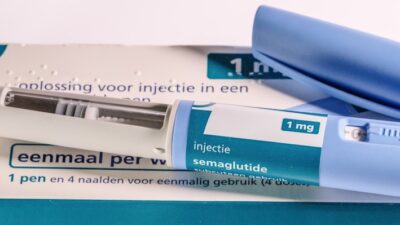
- Semaglutide (Ozempic, Rybelsus, Wegovy): Average 10% to 15% weight loss in trials at the highest doses.
- Liraglutide (Victoza, Saxenda): Average 5% to 8% loss.
- Dulaglutide (Trulicity): Average 3% to 6% loss.
Dual GIP/GLP-1 Agonist
- Tirzepatide (Mounjaro, Zepbound): Average 15% to 22% loss in the SURMOUNT-1 trial at the 15 mg dose.
SGLT2 Inhibitors
- Empagliflozin, dapagliflozin, canagliflozin: Typically 2% to 3% loss alongside glucose and cardiovascular benefits.
According to the FDA, GLP-1 and dual agonists share common side effects including nausea, vomiting, diarrhea, and rare reports of gallbladder disease and pancreatitis. They are not appropriate for people with a personal or family history of medullary thyroid carcinoma or MEN2.
Medications to Watch Out For
Some diabetes medications are associated with weight gain and should be reviewed if weight is a priority:
- Insulin (most forms)
- Sulfonylureas (glipizide, glimepiride, glyburide)
- Thiazolidinediones (pioglitazone)
This does not mean these drugs are wrong; they are often necessary. It means weight impact should be part of the shared decision with your prescriber.
Physical Activity That Supports Weight Loss
The CDC recommends at least 150 minutes per week of moderate aerobic activity plus 2 strength sessions. For people with diabetes:
- Walking after meals reduces post-meal glucose spikes.
- Resistance training preserves muscle during caloric deficit, which maintains metabolic rate.
- Breaking up sedentary time every 30 minutes also improves glucose patterns.
Bariatric and Metabolic Surgery
For people with type 2 diabetes and BMI 35 or higher (or 30 or higher with uncontrolled diabetes), the ADA and multiple surgical societies consider metabolic surgery an evidence-based option. Sleeve gastrectomy and Roux-en-Y gastric bypass produce sustained losses of 20% to 30% and high rates of diabetes remission. Surgery carries real risks and requires lifelong follow-up.
Setting Realistic Goals
- Aim for 0.5 to 2 pounds per week.
- Measure progress monthly, not daily; weight fluctuates with sodium, cycles, and hydration.
- Track behaviors (steps, protein intake, sleep hours) in addition to the scale.
- Expect plateaus every 4 to 8 weeks; they are normal and do not mean failure.
- Coordinate with your care team because glucose-lowering doses often need reduction as you lose weight.
For those still in the prediabetes range, see whether prediabetes is reversible for more specific guidance.
Red Flags That Weight Loss Needs Medical Review
- Unintentional loss of more than 5% in 3 months
- Frequent hypoglycemia while losing weight
- Loss of appetite lasting more than 2 weeks
- Muscle weakness or fatigue out of proportion to activity
Any of these warrants a check-in with your clinician to reassess medication doses and rule out other causes.
The Bottom Line
Diabetes weight loss of 5 to 10 percent of body weight can substantially improve A1C and cardiovascular risk, with larger losses sometimes driving remission. A combination of sustainable eating patterns, consistent activity, and, where appropriate, GLP-1 or dual GIP/GLP-1 medications is the most evidence-based path. Any plan should be coordinated with your clinician so medication doses can be adjusted safely as your body changes.