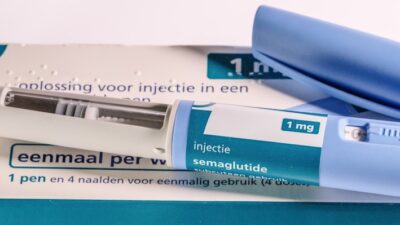
Reconstituting a 5 mg semaglutide vial means adding bacteriostatic water to dissolve the powder and reach your target concentration. The standard options are 1 mL of water for 5 mg/mL concentration, 2 mL for 2.5 mg/mL, or 0.5 mL for 10 mg/mL. Reconstitution should ideally be done by the licensed compounding pharmacy that prepared your medication; home reconstitution carries higher risk of contamination and dosing errors.
Standard Reconstitution Options
| Bacteriostatic water added | Final concentration | Volume per 0.25 mg dose | Volume per 2.4 mg dose |
|---|---|---|---|
| 0.5 mL | 10 mg/mL | 2.5 units | 24 units |
| 1.0 mL | 5 mg/mL | 5 units | 48 units |
| 2.0 mL | 2.5 mg/mL | 10 units | 96 units |
| 5.0 mL | 1 mg/mL | 25 units | 240 units (>2 mL syringe) |
Your compounding pharmacy will specify the target concentration based on the dosing volume they consider safest for your titration schedule.
The Math
Final concentration = total mg in vial ÷ total mL of water added:
- 5 mg ÷ 0.5 mL = 10 mg/mL
- 5 mg ÷ 1 mL = 5 mg/mL
- 5 mg ÷ 2 mL = 2.5 mg/mL
- 5 mg ÷ 5 mL = 1 mg/mL
Reconstitution does not add or remove semaglutide — it only dissolves the powder into water. Total mg stays at 5; you’re just adjusting the volume.
Why Bacteriostatic Water (Not Plain Sterile)
Bacteriostatic water for injection contains 0.9 percent benzyl alcohol as a preservative. The preservative prevents bacteria from growing in the vial as you puncture it repeatedly over weeks of use.
Plain sterile water lacks preservative. Without preservative, bacteria can grow between punctures, and the vial may become contaminated. The FDA has documented infection cases linked to plain-sterile-water reconstitution of multi-dose compounded medications.
Bacteriostatic water is sold separately and is widely available through pharmacies. Always verify the label says “bacteriostatic water for injection.”
Why Your Pharmacy Should Do This
Licensed compounding pharmacies have:
- Sterile compounding rooms (USP 797/800 compliant)
- Trained personnel
- Validated procedures
- Sterile filtration capability
- Sterility and potency testing
- Proper labeling with concentration and beyond-use date
Home reconstitution lacks these safeguards. The FDA’s documented compounded GLP-1 safety reports include cases of contamination from home reconstitution, dosing errors from improper math, and peptide damage from incorrect technique.
If You Must Reconstitute at Home
If your pharmacy supplies powder vials with reconstitution instructions and bacteriostatic water, follow these general steps carefully. (Your pharmacy’s specific instructions take precedence over any general guidance.)
Supplies needed:
- Powder vial (e.g., 5 mg semaglutide)
- Bacteriostatic water (sterile, multi-dose vial)
- 1 mL sterile syringe with needle (for drawing water)
- Alcohol prep pads
- Clean work surface
- Label (or marker for the vial)
Steps:
- Wash hands thoroughly with soap and water
- Prepare a clean work surface — sanitize with disinfectant
- Inspect both vials for damage, particles, or signs of contamination
- Wipe the rubber stoppers of both vials with alcohol prep pads; let dry 30 seconds
- Draw the specified amount of bacteriostatic water into the sterile syringe (e.g., 1 mL for 5 mg/mL target concentration)
- Insert the needle into the semaglutide powder vial at a slight angle
- Slowly inject the water down the inside wall of the vial — do not blast directly onto the powder
- Withdraw the needle
- Gently swirl the vial (do not shake) for 1-2 minutes until the powder fully dissolves
- Inspect the solution — should be clear and colorless with no particles
- Label the vial with: concentration (e.g., “5 mg/mL”), date of reconstitution, beyond-use date
- Store in the refrigerator at 36-46°F (2-8°C)
If anything looks wrong (cloudy, particles, discoloration, leaks), discard and request a refill from your pharmacy.
Common Home Reconstitution Errors
- Using plain sterile water: bacterial contamination risk over weeks of use
- Adding the wrong volume: changes concentration and dosing math
- Shaking the vial vigorously: damages the semaglutide peptide
- Not labeling the vial: later confusion about concentration causes dosing errors
- Using non-sterile syringes/needles: introduces contamination
- Storing at the wrong temperature: peptide degradation (especially freezing)
- Reusing needles between vials: contamination risk
After Reconstitution
Once reconstituted, treat the vial as a refrigerated multi-dose medication:
- Store at 36-46°F (2-8°C) at all times when not in use
- Bring to room temperature briefly before injection (reduces discomfort)
- Use a fresh sterile needle for each injection
- Wipe rubber stopper with alcohol before each draw
- Do not freeze
- Discard after the beyond-use date your pharmacy specifies (typically 4-6 weeks)
- Discard if the solution becomes cloudy, discolored, or contains particles
The Bottom Line
Reconstituting 5 mg of semaglutide powder means adding 0.5 mL of bacteriostatic water for 10 mg/mL concentration, 1 mL for 5 mg/mL, or 2 mL for 2.5 mg/mL. Your licensed compounding pharmacy should ideally perform this step. Always use bacteriostatic water (not plain sterile), swirl gently (never shake), label the vial with the new concentration and beyond-use date, and follow your pharmacy’s specific instructions. Consult your prescriber and pharmacist for guidance specific to your situation. For more on GLP-1 treatment options, see our hub.