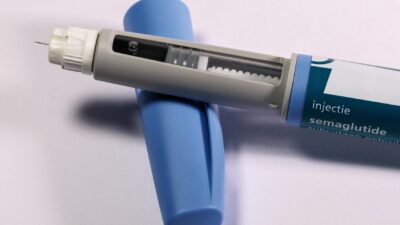
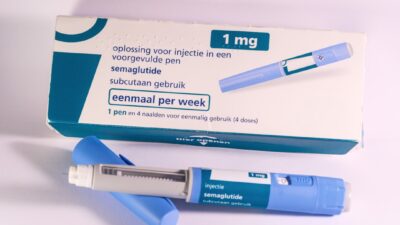
Yes, you need a prescription for Ozempic. It is FDA-approved for adults with type 2 diabetes, classified as a prescription-only medication (not over-the-counter and not a controlled substance), and there is no legal way to obtain it without a clinical evaluation by a licensed prescriber. The good news is that the path to an Rx is straightforward through a primary care doctor, endocrinologist, or one of several regulated telehealth services.
What Ozempic Is and Why It Is Rx-Only
Ozempic is the brand name for semaglutide, a GLP-1 receptor agonist developed by Novo Nordisk. The same molecule is also sold as Wegovy (FDA-approved for chronic weight management) and Rybelsus (oral tablet form for type 2 diabetes). Ozempic is given as a once-weekly subcutaneous injection. It lowers A1C, reduces cardiovascular events in eligible patients with T2D, and produces meaningful weight loss as a side effect. Because the drug carries a black-box warning about thyroid C-cell tumors, requires titration, can cause significant gastrointestinal side effects, and has well-documented contraindications, it is reserved for use under clinical supervision. The FDA prescribing information sets the regulatory baseline.
Routes to a Legitimate Prescription
Primary Care or Endocrinology
The most direct path is an appointment with your primary care provider or an endocrinologist. Bring recent lab work (A1C, fasting glucose, kidney function, lipids), your medication list, and a discussion of your goals. A clinician will assess whether you meet the indication for Ozempic (type 2 diabetes) or Wegovy (BMI of 30 or higher, or 27 with a weight-related comorbidity). Insurance coverage often requires prior authorization with documentation of diagnosis and prior medication trials.
Obesity Medicine Clinics
Specialized obesity medicine clinics employ board-certified physicians who manage GLP-1 therapy, lifestyle interventions, and follow-up labs. They are particularly useful if your primary care provider is unfamiliar with anti-obesity pharmacotherapy or if you have multiple metabolic conditions to coordinate.
Telehealth Services
Several telehealth platforms connect patients to licensed prescribers and handle the workflow end-to-end. Common options include:
- Ro — full-service GLP-1 program with branded and (previously) compounded options.
- Hims and Hers — weight management programs that include GLP-1s where clinically appropriate.
- Mochi Health — obesity-medicine focused, accepts some insurance.
- Found, Calibrate, Sequence (Weight Watchers) — combine medical care with coaching.
- NovoCare — Novo Nordisk’s own patient support program for branded Ozempic and Wegovy.
- LillyDirect — Eli Lilly’s direct-to-consumer pharmacy for Zepbound and other Lilly products.
All of these still require a real prescription written by a licensed clinician after a clinical evaluation. They do not sell Ozempic without one.
What About Compounded Semaglutide?
Compounded semaglutide became widely available in 2022 to 2024 because the FDA had officially declared a shortage of branded Ozempic and Wegovy. Under federal law, compounding pharmacies can produce versions of drugs in shortage. In 2024 the FDA determined that the semaglutide shortage was resolved, which sharply limits the legal authority for mass compounding. The FDA has also issued repeated warnings about counterfeit and improperly compounded semaglutide products, including reports of dosing errors and impurities. Personalized compounding under specific prescription criteria may still be legal in narrow cases, but broad-market compounded semaglutide is no longer the gray-area option it was during the shortage.
Red Flags: How to Spot Illegal Sellers
| Red Flag | What It Means |
|---|---|
| “No prescription needed” | Illegal in the U.S.; product is counterfeit or unauthorized |
| Sold as a supplement, peptide, or “research chemical” | Not for human use; no quality controls |
| Imported from overseas without an FDA pathway | Personal importation of injectables is generally not permitted |
| Price far below market | Common with counterfeits |
| No clinician involvement at all | Skips the safety evaluation legally required for GLP-1s |
Cost and Coverage
Branded Ozempic carries a list price around $900 to $1,000 per month, though most insured patients pay far less after coverage and the manufacturer savings card. Wegovy and Zepbound have similar list prices. Coverage varies dramatically: Medicare cannot cover anti-obesity drugs (only diabetes-indicated GLP-1s for T2D), commercial plans differ, and Medicaid coverage is state-specific. Manufacturer programs and patient assistance can reduce out-of-pocket costs for eligible patients. For broader treatment context, see our treatment hub and the guide to reversing prediabetes for upstream lifestyle steps.
The Bottom Line
Ozempic is and always has been a prescription medication in the U.S. Anyone offering it without a prescription is operating outside the law, and the safety risks are real — counterfeit products, dosing errors, and contamination have all been reported. The legitimate pathways are simple: primary care, endocrinology, obesity medicine, or a regulated telehealth service. Each connects you to a real prescriber who can confirm whether Ozempic, Wegovy, Zepbound, or another GLP-1 fits your situation.
Medical disclaimer: This article is for informational purposes only and does not constitute medical advice. Always consult a qualified healthcare professional before starting, stopping, or changing any medication or treatment plan.