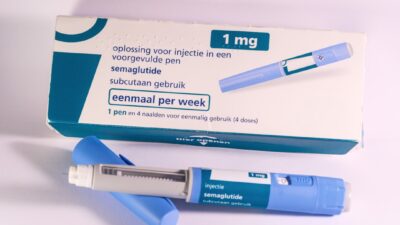
The Lantus SoloStar is a disposable prefilled pen containing insulin glargine at U-100 (100 units per mL), one of the most widely used long-acting basal insulins in the world. Each pen holds 3 mL — a total of 300 units — and is designed for once-daily injection in adults and children with type 1 or type 2 diabetes who require basal insulin. Lantus has a relatively flat, peakless action profile lasting up to 24 hours.
What Lantus Is
Lantus is the brand name for insulin glargine, a long-acting human insulin analog made by Sanofi and FDA-approved in 2000. Glargine is engineered to precipitate at physiological pH, forming a depot under the skin that releases slowly over 24 hours. This produces a relatively peakless basal effect — distinct from the pronounced peak of NPH (intermediate-acting) insulin — and matches the body’s continuous low-level insulin needs between meals and overnight. According to the FDA Lantus prescribing information, the typical onset is within 1 to 2 hours and duration is up to 24 hours.
The SoloStar Pen Specifications
| Spec | Detail |
|---|---|
| Insulin | Glargine, U-100 (100 units per mL) |
| Volume per pen | 3 mL |
| Total units per pen | 300 |
| Dose increments | 1 unit |
| Maximum single dose | 80 units |
| Pen type | Disposable, prefilled |
| Needle | Sold separately (BD, Novofine, etc., 4 to 8 mm) |
How to Use the Pen
- Inspect: Confirm the pen is Lantus (purple label), check the expiration date, and look for clarity. Glargine should be clear and colorless. Discard if cloudy or discolored.
- Attach a new needle: Always use a new pen needle for each injection. Remove the cap, screw on a new needle, and remove both outer and inner caps.
- Safety test (prime): Dial 2 units. Hold the pen needle-up, tap to bring any air to the top, and press the dose button until insulin appears at the needle tip. Repeat if needed. This confirms the pen is working and clears air.
- Dial your dose: Turn the dose selector to your prescribed unit count. The dose window shows the number clearly.
- Inject: Choose a clean site (abdomen, thigh, upper arm, or buttock — rotate to avoid lipohypertrophy). Insert the needle, press the dose button fully, and hold for at least 10 seconds before withdrawing.
- Dispose: Remove the needle and place it in a sharps container. Replace the pen cap.
Dosing Basics
Lantus is dosed individually based on diabetes type, weight, current glycemic control, and concomitant medications. Common starting points cited in the FDA label include:
- Type 1 diabetes: approximately one-third to one-half of total daily insulin needs as basal Lantus, with the remainder as mealtime rapid-acting insulin (Humalog, NovoLog, Fiasp, Apidra).
- Type 2 diabetes (insulin-naive): 0.2 units per kg per day, often rounded to 10 units once daily, then titrated based on fasting glucose.
- Switching from twice-daily NPH: typical dose reduction of 20 percent to start, then titrate.
Lantus is given once daily at the same time each day, with or without food. Dose adjustments should always involve your prescriber. Never adjust insulin doses based on internet recommendations.
Storage Rules
| State | Storage | Discard After |
|---|---|---|
| Unopened pen | Refrigerator, 2 to 8 degrees C (36 to 46 degrees F) | Printed expiration date |
| In-use pen | Room temperature, below 30 degrees C (86 degrees F) | 28 days after first use |
Do not freeze. Do not store in direct sunlight or in a hot car. Do not refrigerate an in-use pen. Mark the date of first use on the pen with a permanent marker so you remember when to discard.
Common Mistakes
- Reusing needles: Causes pain, bent tips, and inaccurate dosing. Always use a new needle.
- Skipping the safety test: Air in the cartridge means a smaller dose than dialed.
- Not holding 10 seconds: Insulin can leak back out if the needle is withdrawn too quickly.
- Injecting into the same spot repeatedly: Causes lipohypertrophy (lumpy skin) that absorbs insulin erratically.
- Sharing a pen: Even with a new needle, sharing pens can transmit bloodborne infections. Lantus pens are single-patient devices.
Lantus vs Other Basal Insulins
Several long-acting basal insulins compete with Lantus, including Levemir (detemir), Tresiba (degludec), Toujeo (glargine U-300), Basaglar (a glargine biosimilar), and Semglee (an interchangeable glargine biosimilar). Toujeo uses the same molecule as Lantus but at U-300 concentration, with a flatter and longer profile. Tresiba lasts more than 42 hours, allowing more flexible dosing times. Basaglar and Semglee are biosimilars of Lantus, with similar action and lower price points. Your prescriber will choose based on dose, hypoglycemia risk, cost, and insurance coverage. For broader treatment context, see our treatment hub and the prediabetes overview.
When to Call Your Prescriber
- Persistent fasting glucose outside your target range despite consistent dosing
- Frequent overnight hypoglycemia (consider dose reduction or timing change)
- New medications that affect insulin sensitivity (steroids, beta-blockers, thiazides)
- Significant weight changes (insulin needs often shift)
- Pregnancy or planning pregnancy
- Pen malfunction or visible damage
The Bottom Line
The Lantus SoloStar is a once-daily basal insulin pen containing glargine U-100, with a 24-hour, relatively peakless action profile that supports background insulin needs in type 1 and type 2 diabetes. Use a new needle and prime with 2 units before every injection, rotate sites, store unopened pens in the refrigerator, and discard any in-use pen after 28 days at room temperature. Always work with your prescriber on dose changes and do not share pens.
Medical disclaimer: This article is for informational purposes only and does not constitute medical advice. Always consult a qualified healthcare professional before starting, stopping, or changing any medication or treatment plan.