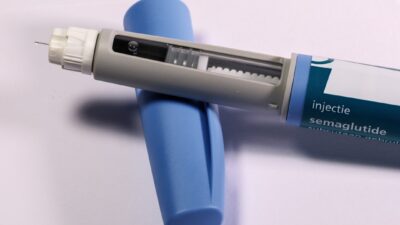
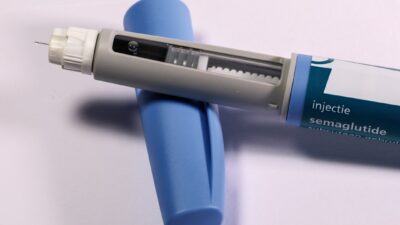
Does compounded semaglutide work? The short answer is that it can produce similar effects to FDA-approved semaglutide when it contains the same active molecule at accurate concentrations, but there is no published efficacy trial specifically on compounded versions. The safety and effectiveness evidence people rely on comes from studies of brand-name Ozempic and Wegovy.
What “Compounded” Actually Means
Compounded drugs are prepared by licensed pharmacies, typically under 503A or 503B federal provisions. They are not reviewed by the FDA for safety, efficacy, or quality before sale. Compounding of semaglutide surged during the 2023–2024 drug shortages because federal law permits compounding of a drug on the FDA shortage list.
This legal pathway does not mean compounded semaglutide went through clinical trials. It means a pharmacy can legally prepare it. The distinction matters for patients trying to judge whether it works.
What the Evidence Shows for FDA-Approved Semaglutide
For the branded products, efficacy is well-documented:
- Wegovy 2.4 mg (STEP 1 trial): mean weight loss of about 14.9% at 68 weeks versus 2.4% on placebo.
- Ozempic 1 mg (SUSTAIN trials): A1C reductions of roughly 1.4–1.8 percentage points depending on baseline and comparator.
- Rybelsus oral (PIONEER trials): A1C reductions of 1.0–1.4 percentage points.
These are the numbers quoted in marketing and the ADA Standards of Care. None of them come from compounded drug research.
What We Know About Compounded Versions
Clinical claims about compounded semaglutide are largely anecdotal or based on telehealth company internal data that has not been peer-reviewed. When the active ingredient is pharmaceutical-grade semaglutide base at the labeled concentration, the pharmacology is expected to match the brand. That is a reasonable biological assumption, not a clinical trial result.
The FDA has raised specific concerns about products using semaglutide sodium or semaglutide acetate salt forms. These are different active ingredients from the approved base, and their efficacy and safety are not established.
Brand vs Compounded: Side-by-Side Comparison
| Attribute | FDA-approved (Ozempic, Wegovy) | Compounded semaglutide |
|---|---|---|
| Active ingredient | Semaglutide base, standardized | Varies; may include non-approved salts |
| Efficacy trials | Phase 3, peer-reviewed | None specific to compounded product |
| Concentration accuracy | Tightly controlled by manufacturer | Depends on compounder |
| Dosing device | Prefilled pen, mg per click | Vial and syringe; unit math required |
| Insurance coverage | Often covered for indication | Rarely covered |
| Typical cost (US, cash) | Several hundred to over $1,000/month | Often $150–$400/month |
Factors That Affect Whether It Works
Concentration accuracy
If the vial contains less active drug than the label claims, you will underdose and see less benefit. If it contains more, side effects and risk climb.
Ingredient identity
The approved compound is semaglutide base. Products using semaglutide sodium have been the subject of FDA warning letters. If your pharmacy cannot confirm the base form, that is a reason to ask questions.
Titration discipline
Semaglutide’s benefits come partly from staying on a therapeutic dose long enough for appetite and glucose effects to stabilize. Frequent interruptions or unsupervised dose changes reduce measured effectiveness.
Adherence to lifestyle changes
Trials pair semaglutide with structured lifestyle guidance. If you add the drug but skip the nutrition changes or activity increases, you may see smaller results than headline trial numbers.
Who Might Consider a Compounded Version
Some patients use compounded semaglutide because brand-name supply is limited, insurance does not cover it, or cost is prohibitive. These are real-world constraints. The tradeoff is accepting a less-documented product. If you are exploring options for prediabetes treatment or weight management, discuss the benefit-risk with a licensed clinician rather than relying on telehealth marketing alone.
Red Flags in a Compounded Supply Chain
- Pharmacy will not disclose the source of active pharmaceutical ingredient.
- Label lists “semaglutide sodium” or “semaglutide acetate” instead of semaglutide.
- Vial concentration changes between refills without notice.
- No option to speak with a pharmacist about dosing.
- Aggressive marketing that promises specific weight-loss numbers or guarantees.
The Bottom Line
Compounded semaglutide likely works when it contains pharmaceutical-grade semaglutide at accurate concentrations, but there is no FDA review and no published efficacy trial behind it. FDA-approved Ozempic and Wegovy remain the evidence standard. If cost or shortage is pushing you toward a compounded option, weigh the tradeoffs with your prescriber and verify the pharmacy’s formulation practices before starting.
This article is for educational purposes only and is not medical advice. Always consult a licensed healthcare professional about any medication, dose, or health decision.