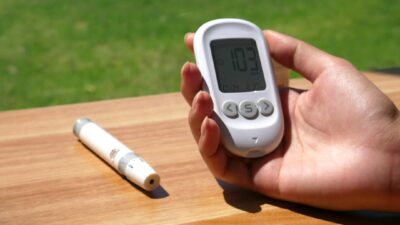
Yes, metformin lowers blood sugar. In most adults with type 2 diabetes or prediabetes, it reduces A1C by 0.5 to 1.5 percentage points and drops fasting glucose by roughly 30 to 50 mg/dL. The drug works mainly by quieting the liver’s overproduction of glucose, with smaller effects on insulin sensitivity and the gut microbiome.
How Much Does Metformin Lower Blood Sugar?
Clinical trials and decades of real-world use give a fairly consistent picture. The landmark UK Prospective Diabetes Study (UKPDS 34) showed metformin reduced A1C by about 1 percentage point compared with diet alone in people with newly diagnosed type 2 diabetes. Modern meta-analyses confirm a typical drop of 0.5 to 1.5 percent depending on starting A1C, dose, and adherence.
Fasting glucose usually falls about 30 to 50 mg/dL when the dose is titrated to a therapeutic range of 1,500 to 2,000 mg per day. Postprandial spikes also soften, although metformin is not as potent for after-meal control as GLP-1 agonists or rapid-acting insulin. For more on what your numbers should look like, see our overview of A1C levels.
How Fast Does It Work?
Metformin starts acting almost immediately, but you will not see the full picture right away. Many people notice fasting glucose moving down within 1 to 2 weeks of reaching a stable dose. Because A1C reflects the prior 2 to 3 months of glucose exposure, your follow-up lab is usually scheduled at 3 months to capture the complete effect.
Clinicians typically start with 500 mg once or twice daily with food, then increase by 500 mg per week to a target of 1,000 mg twice daily. Slower titration reduces nausea, diarrhea, and bloating — the most common reasons people stop the drug.
Why Metformin Works: Four Mechanisms
Researchers have spent more than 60 years studying metformin, and the picture is still being refined. Four mechanisms account for most of its glucose-lowering effect.
- Reduced hepatic glucose output. The liver normally releases glucose between meals through gluconeogenesis. Metformin suppresses this process, which is why it has a strong effect on fasting glucose.
- AMPK activation. Metformin activates AMP-activated protein kinase, a cellular energy sensor that shifts metabolism toward glucose uptake and fat oxidation.
- Modest peripheral insulin sensitivity. Muscle and fat tissue use insulin slightly more efficiently, lowering circulating insulin demand.
- Gut microbiome and incretin effects. Newer research links metformin to favorable changes in gut bacteria and small increases in GLP-1, which may also reduce appetite slightly.
Who Benefits Most
The American Diabetes Association still names metformin as a foundational therapy for type 2 diabetes. It is also used off-label for prediabetes in higher-risk adults — particularly those under 60, with BMI over 35, or with a history of gestational diabetes. The Diabetes Prevention Program found metformin cut progression to type 2 diabetes by 31 percent in adults with prediabetes, with the strongest effect in younger and heavier participants. If you are weighing options, our treatment hub walks through the major medication categories.
Side Effects and Practical Tips
Up to 25 percent of people experience GI symptoms — nausea, loose stools, metallic taste, and bloating — usually in the first 2 weeks. These often fade. Strategies that help:
- Always take metformin with the largest meal of the day.
- Ask about extended-release (Glucophage XR, Fortamet) — it cuts GI complaints by roughly half.
- Watch for vitamin B12 deficiency on long-term use; ADA recommends periodic B12 checks.
- Stop temporarily for IV contrast imaging or acute illness causing dehydration (rare risk of lactic acidosis in people with kidney disease).
Hypoglycemia is rare on metformin alone. Risk rises when it is combined with insulin or a sulfonylurea like glipizide.
What If Metformin Isn’t Enough?
If your A1C remains above target after 3 to 6 months on a maximum tolerated dose, your clinician may add a second agent — most often a GLP-1 receptor agonist (semaglutide, tirzepatide), an SGLT2 inhibitor (empagliflozin, dapagliflozin), or basal insulin. Lifestyle remains the foundation either way; metformin works best alongside steady weight, regular activity, and a meal pattern that limits refined carbs. For practical food strategy, our diet and nutrition section is a good starting point.
The Bottom Line
Metformin reliably lowers blood sugar — about 0.5 to 1.5 percentage points off your A1C and 30 to 50 mg/dL off fasting glucose for most users, with the full effect visible at 3 months. It does this by reducing liver glucose output, activating AMPK, mildly improving insulin sensitivity, and nudging the gut microbiome. Take it with food, titrate slowly, and track your numbers. According to the ADA Standards of Care 2025, metformin remains a first-line option for type 2 diabetes and a reasonable choice for high-risk prediabetes.