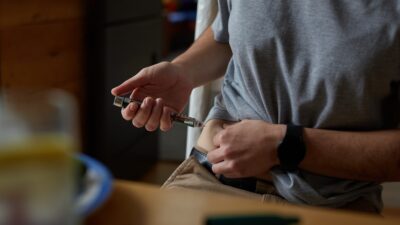
Yes, Ozempic causes diarrhea in a meaningful share of users. According to the FDA prescribing information, diarrhea occurs in roughly 8 to 13 percent of patients on Ozempic, with the rate rising at higher doses (1 mg and 2 mg weekly). It typically shows up in the first 1 to 4 weeks of treatment or after a dose increase and usually subsides as the body adapts. Most cases are manageable with small, low-fat meals, steady hydration, and simple over-the-counter remedies.
How Common Is Diarrhea on Ozempic?
The FDA Ozempic label reports diarrhea in about 8.5 percent of patients on 0.5 mg weekly and 8.6 percent on 1 mg weekly in the SUSTAIN trials, compared with 1.9 percent on placebo. At the 2 mg dose, rates are higher. In Wegovy trials at 2.4 mg weekly, diarrhea affected approximately 30 percent of patients. Tirzepatide (Mounjaro, Zepbound) shows similar or slightly higher rates depending on dose. Across the GLP-1 class, gastrointestinal side effects — nausea, vomiting, diarrhea, constipation — are the most common adverse events and the most common reason for discontinuation.
Why GLP-1s Cause Diarrhea
The mechanism is paradoxical at first glance: GLP-1 receptor agonists slow gastric emptying (which usually slows transit and causes constipation), yet they also cause diarrhea in some patients. The explanation involves several effects:
- Altered gut motility: Slowed gastric emptying is followed by accelerated transit through parts of the small intestine and colon in some people.
- Bile acid changes: GLP-1 receptors are present in the gut and influence bile acid handling, which can drive bile-acid diarrhea in susceptible patients.
- Direct gut hormone effects: GLP-1 modulates secretion and absorption in the small intestine.
- Diet shifts: Reduced appetite often pushes people toward different foods, sometimes higher in artificial sweeteners or sugar alcohols, which independently cause loose stools.
When It Shows Up
Diarrhea on Ozempic follows a predictable pattern for most people:
- Weeks 1 to 4: Highest risk, especially after the initial 0.25 mg starter dose and after each titration step.
- Weeks 4 to 12: Symptoms usually decrease as the body adapts. Many people return to normal bowel habits.
- After dose escalation (0.5 mg, 1 mg, 2 mg): A new wave of GI symptoms is common for 1 to 2 weeks after each increase.
- Long-term: A minority continue to have loose stools indefinitely, sometimes requiring dose reduction or a different medication.
How to Manage Ozempic Diarrhea
Diet Changes
- Smaller meals: Several small meals across the day are easier to handle than two or three large ones.
- Low-fat: Reduce fried, greasy, and very rich foods, which worsen GI symptoms.
- BRAT-style foods: Bananas, rice, applesauce, and toast are gentle on an irritated gut.
- Limit sugar alcohols: Sorbitol, mannitol, xylitol, and erythritol in sugar-free products can independently cause diarrhea.
- Limit caffeine and alcohol: Both speed gut transit.
Hydration
Diarrhea causes water and electrolyte loss, especially sodium, potassium, and chloride. Sip electrolyte solutions (oral rehydration solutions, sports drinks diluted with water, broths) across the day rather than chugging plain water. Watch for signs of dehydration: dizziness on standing, dark urine, dry mouth, rapid heartbeat, or markedly reduced urine output.
Over-the-Counter Medications
Loperamide (Imodium) can be used short-term for symptom control. Doses and duration should be discussed with your prescriber, especially if you have other medical conditions. Bismuth subsalicylate (Pepto-Bismol) is another option but should be avoided if you take aspirin or have certain bleeding risks. Probiotics may help some people, though evidence specific to GLP-1-related diarrhea is limited.
| Strategy | How It Helps | Notes |
|---|---|---|
| Small, low-fat meals | Reduces gut load and fat-driven motility | First-line; cheap and effective |
| Hydration with electrolytes | Replaces fluid and salt losses | Critical with severe or prolonged symptoms |
| BRAT diet (1 to 3 days) | Gentle, binding foods | Short-term only — not nutritionally complete |
| Loperamide | Slows gut transit | Short-term; clinician input recommended |
| Slower dose titration | Allows adaptation between increases | Discuss with prescriber if symptoms persist |
When to Call Your Prescriber
- Diarrhea persisting beyond 4 to 6 weeks despite the steps above
- More than 6 watery stools per day
- Blood in stool
- Severe abdominal pain, especially in the upper abdomen (could signal pancreatitis — a labeled risk)
- Signs of dehydration: dizziness, fainting, confusion, very dark urine, no urination for 8+ hours
- Fever above 101 degrees F
- Significant unintended weight loss beyond expected effect
Your prescriber may slow titration, reduce the dose, switch to a different GLP-1, or pause treatment. Do not stop or change Ozempic on your own.
Adjusting the Plan
If diarrhea is mild and improving, staying the course usually works. If it is bothersome, slowing titration (staying at a lower dose for longer) often helps. Some patients tolerate other GLP-1s better — switching from semaglutide to dulaglutide or to tirzepatide is a clinical option. For people taking Ozempic for type 2 diabetes, glycemic control may temporarily worsen during a slower titration, so closer monitoring is useful. For broader treatment context see our treatment hub and the guide to reversing prediabetes for upstream lifestyle steps.
The Bottom Line
Diarrhea on Ozempic is common but usually short-lived, most often appearing in the first weeks of treatment or after a dose increase. Smaller, low-fat meals, steady hydration with electrolytes, BRAT-style foods, and short-term loperamide manage most cases. Call your prescriber for severe, persistent, bloody, or pain-associated symptoms — those warrant evaluation rather than another week of waiting.
Medical disclaimer: This article is for informational purposes only and does not constitute medical advice. Always consult a qualified healthcare professional before starting, stopping, or changing any medication or treatment plan.