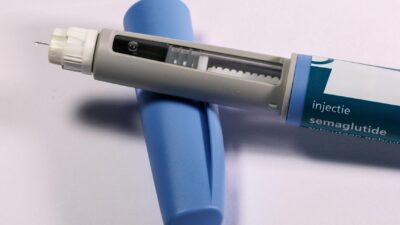
Yes, does semaglutide need to be refrigerated is answered clearly on the FDA label: before first use, all semaglutide pens must be stored in a refrigerator between 36 and 46 degrees Fahrenheit (2 to 8 degrees Celsius). After the first use, Ozempic pens can stay at room temperature up to 86 degrees Fahrenheit for 56 days, and Wegovy pens for 28 days. Never freeze the medication, and never use a pen that has been frozen.
The FDA Storage Rules at a Glance
| Product | Before First Use | After First Use | Max Days After First Use |
|---|---|---|---|
| Ozempic (semaglutide injection) | 36 to 46 F in refrigerator | Up to 86 F at room temp OR refrigerated | 56 days |
| Wegovy (semaglutide injection) | 36 to 46 F in refrigerator | Up to 86 F at room temp OR refrigerated | 28 days |
| Rybelsus (oral semaglutide) | 68 to 77 F (room temp) | Room temp, original blister pack | Until package expiration |
| Compounded semaglutide | Refrigerate per pharmacy label | Varies; follow compounding pharmacy directions | Typically 14 to 28 days |
Compounded semaglutide (non-FDA-approved formulations from compounding pharmacies) has less standardized storage guidance. Always follow the label that came with your specific pen or vial and confirm with the pharmacy if anything is unclear.
Why Temperature Matters
Semaglutide is a 31-amino-acid peptide. Like all peptide drugs, it is vulnerable to denaturation — unfolding of the protein structure — when exposed to heat, cold extremes, or mechanical stress. A denatured peptide does not work the way it should. Subtle loss of potency may not be visible in the solution, so relying on “it looks fine” is not reliable. Trust the expiration date and the storage instructions.
Freezing is particularly destructive. Ice crystals physically disrupt peptide structure. Once frozen, a pen is ruined even if it thaws to a clear solution. The FDA-approved label for both Ozempic and Wegovy instructs patients to discard any pen that has been frozen.
Where to Store Semaglutide in Your Home
- Main body of the refrigerator. Keep pens on a middle shelf, away from the back wall where freezing can occur, and away from the door where temperatures fluctuate.
- Not the freezer. Ever.
- Not on top of the refrigerator. Warm air rises from the compressor and can push temperatures above safe limits.
- Not in direct sunlight. A windowsill, car dashboard, or countertop next to a sunny window can exceed 86 F.
- Not in the bathroom. Humidity and temperature swings from showers are hard on peptide medications.
Traveling With Semaglutide
Travel requires planning because time out of the fridge adds up. Practical tips:
- Use a medication travel cooler with a gel pack — not direct ice. Direct ice contact risks freezing.
- Wrap the pen in a soft cloth if it will touch a cold gel pack.
- Keep pens in your carry-on, not checked luggage. Cargo holds can fall well below freezing or climb above 86 F.
- Carry the original pharmacy packaging and prescription label through TSA.
- For international trips, research customs rules and bring a letter from your prescriber.
- At hotels, ask the front desk to move the mini-fridge setting away from “coldest” to prevent freezing; check temperature with a small refrigerator thermometer.
For flights over four hours, assume the pen will be out of refrigeration for the full duration — that eats into the 28-day or 56-day clock once first use has happened. For an unopened pen, brief cooler time is fine as long as the cooler stays in the 36 to 46 F range.
How to Know If a Pen Has Gone Bad
Inspect before every injection:
- Solution should be clear and colorless. Discard if cloudy, discolored, or contains visible particles.
- Check the expiration date printed on the pen.
- Note the date of first use and count forward 56 days (Ozempic) or 28 days (Wegovy). Write the first-use date on the pen with a marker.
- If the pen has been frozen, left in a hot car, or exposed to direct sunlight for hours, do not use it.
What Happens If You Miss a Dose or Ruin a Pen
If you realize a pen was frozen or spoiled, contact your pharmacy. Some insurance plans will replace a damaged pen with documentation. Novo Nordisk also has a patient assistance program for eligible individuals. Never use a questionable pen just to avoid the cost of a replacement — suboptimal dosing can affect glucose control and weight outcomes.
For a broader look at semaglutide, side effects, and how it fits into diabetes or weight management, see our treatment hub and related articles on prediabetes basics.
Regulatory Background
Semaglutide was first approved by the FDA as Ozempic for type 2 diabetes in 2017, with Wegovy approved for chronic weight management in 2021. According to the FDA-approved Ozempic label, storage instructions are based on stability studies performed by the manufacturer under specified conditions. Real-world deviations from these conditions can affect potency, which is why FDA-approved labeling is strict.
The Bottom Line
Does semaglutide need to be refrigerated? Before first use, yes — 36 to 46 degrees Fahrenheit. After first use, it can sit at room temperature up to 86 degrees for 28 days (Wegovy) or 56 days (Ozempic), or you can keep it refrigerated. Never freeze it, never leave it in a hot car, and always inspect for clarity before injecting. When traveling, use a cooler with an indirect gel pack and keep pens in your carry-on.
Medical disclaimer: This article is for educational purposes only and does not replace personalized medical advice. Always consult your healthcare provider or pharmacist about medication storage, dosing, and any concerns about a specific pen.