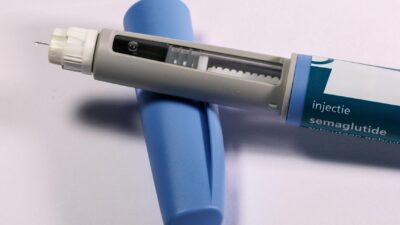
To understand how do GLP 1 work, start with the natural hormone they imitate. GLP-1 (glucagon-like peptide-1) is released from intestinal L-cells within minutes of eating. It tells the pancreas to release insulin, tells the liver to stop pumping out glucose, slows stomach emptying so food enters the bloodstream gradually, and signals the brain that you are full. GLP-1 receptor agonists are engineered to mimic this hormone while lasting far longer than the 2-minute half-life of natural GLP-1.
The Incretin System in Plain Terms
The gut and pancreas talk to each other constantly. When food reaches the intestine, specialized L-cells release GLP-1 and K-cells release GIP (glucose-dependent insulinotropic peptide). Both hormones travel through the blood to the pancreas, where they amplify the insulin response to rising glucose. This is the “incretin effect,” and it explains why oral glucose raises insulin more than an identical amount of IV glucose.
In type 2 diabetes, the incretin effect is blunted. The pancreas responds less, glucagon is not suppressed well, and the system as a whole cannot match meal-driven glucose. GLP-1 receptor agonists restore the signal, and tirzepatide adds GIP activity on top.
The Four Mechanisms of Action
1. Glucose-dependent insulin secretion
GLP-1 binds to receptors on pancreatic beta cells and enhances insulin release — but only when blood glucose is elevated. When glucose is normal or low, GLP-1 does not push insulin out. This glucose dependence is the key safety feature: GLP-1 drugs rarely cause hypoglycemia on their own. That is very different from insulin or sulfonylureas, which lower glucose regardless of starting level.
2. Glucagon suppression
Glucagon is the counter-hormone to insulin. It tells the liver to break down glycogen and pump glucose into the blood. In type 2 diabetes, glucagon is often inappropriately high after meals, which raises glucose further. GLP-1 suppresses glucagon release from pancreatic alpha cells, reducing hepatic glucose output.
3. Slowed gastric emptying
GLP-1 delays how quickly the stomach empties food into the small intestine. This smooths out the rise in blood glucose after a meal and extends the sensation of fullness. The tradeoff is gastrointestinal side effects — nausea, bloating, and fullness that can persist for hours — which is why GLP-1 drugs are started low and titrated slowly.
4. Central satiety signaling
GLP-1 receptors sit on neurons in the hypothalamus, the nucleus tractus solitarii (NTS) in the brainstem, and the area postrema. Activating these receptors reduces hunger, dampens food cravings, and lowers the reward response to highly palatable foods. This is the mechanism behind the sustained weight loss seen in clinical trials of semaglutide 2.4 mg and tirzepatide.
Comparing the Current GLP-1 and Dual Agonists
| Drug | Mechanism | Dosing | Typical A1C Reduction | Typical Weight Loss |
|---|---|---|---|---|
| Exenatide (Byetta/Bydureon) | GLP-1 | Twice daily or weekly | 0.8 to 1.5 percent | 3 to 5 percent |
| Liraglutide (Victoza/Saxenda) | GLP-1 | Daily injection | 1.0 to 1.5 percent | 5 to 8 percent |
| Dulaglutide (Trulicity) | GLP-1 | Weekly injection | 1.0 to 1.6 percent | 3 to 6 percent |
| Semaglutide (Ozempic/Wegovy) | GLP-1 | Weekly injection or daily oral | 1.4 to 1.8 percent | 10 to 15 percent |
| Tirzepatide (Mounjaro/Zepbound) | GLP-1 + GIP dual agonist | Weekly injection | 1.7 to 2.1 percent | 15 to 22 percent |
Why GIP Activation Matters for Tirzepatide
Tirzepatide is a dual agonist that binds both GLP-1 and GIP receptors. GIP alone does not lower glucose much in type 2 diabetes, but when paired with GLP-1 activity, it appears to enhance insulin secretion, reduce nausea compared with GLP-1 alone, and amplify weight loss. The SURPASS and SURMOUNT trial programs demonstrated larger A1C reductions and weight loss than any single-agent GLP-1 at comparable doses.
Cardiovascular and Kidney Benefits
Beyond glucose and weight, GLP-1 receptor agonists have demonstrated cardiovascular benefits in large randomized trials. According to the New England Journal of Medicine SUSTAIN-6 trial, semaglutide reduced major adverse cardiovascular events by 26 percent in adults with type 2 diabetes and established cardiovascular disease. The FLOW trial extended this to kidney outcomes, showing slower progression of chronic kidney disease.
These benefits appear to be partly independent of glucose and weight effects. GLP-1 receptors exist on endothelial cells, cardiomyocytes, and kidney tissue, suggesting direct protective effects beyond the metabolic ones.
Common Side Effects and Why
Because GLP-1 drugs slow gastric emptying and act on brainstem nausea centers, the most common side effects are gastrointestinal:
- Nausea (most common, usually fades over weeks)
- Vomiting
- Diarrhea or constipation
- Abdominal discomfort
- Decreased appetite (intended effect)
Slow dose titration — typically increasing every four weeks — minimizes these effects. Most people tolerate the target dose by week 16 to 20.
Less common but important considerations include pancreatitis, gallbladder disease, and thyroid C-cell tumors (black-box warning based on rodent studies; human risk appears very low). GLP-1 drugs are contraindicated in people with a personal or family history of medullary thyroid carcinoma or multiple endocrine neoplasia type 2.
Who Benefits Most
GLP-1 receptor agonists are strongly recommended for adults with type 2 diabetes who have established cardiovascular disease, heart failure, chronic kidney disease, or obesity. They can be combined with metformin, SGLT2 inhibitors, and basal insulin. For people without diabetes who have obesity (BMI 30+) or overweight (BMI 27+) with comorbidities, semaglutide 2.4 mg and tirzepatide 15 mg are FDA-approved for chronic weight management.
For more on how GLP-1 drugs fit into overall diabetes and weight care, explore our treatment hub and our prediabetes reversal guide.
The Bottom Line
How do GLP-1 drugs work? They mimic a natural gut hormone that the body releases in response to meals. They amplify insulin release, suppress glucagon, slow the stomach, and tell the brain you are full. The glucose-dependent nature of their insulin effect makes hypoglycemia rare. Cardiovascular and kidney benefits add to the metabolic gains. For people with type 2 diabetes or obesity, this class of medication has become one of the most important tools in the modern metabolic toolkit.
Medical disclaimer: This article is for educational purposes only and does not replace personalized medical advice. Always consult your healthcare provider before starting, stopping, or changing any medication, including GLP-1 receptor agonists.