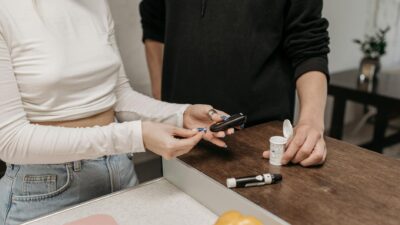
Knowing how to take Mounjaro means injecting it under the skin once a week on the same day, with or without food, rotating between the abdomen, thigh, or upper arm. The FDA label calls for a 2.5 mg starting dose for four weeks, then monthly titration toward a maintenance dose between 5 and 15 mg.
What Mounjaro Is
Mounjaro (tirzepatide) is a once-weekly subcutaneous injection FDA approved as an adjunct to diet and exercise to improve glycemic control in adults with type 2 diabetes. It is a dual GIP/GLP-1 receptor agonist made by Eli Lilly. The same molecule is sold as Zepbound for chronic weight management. For background on glucose targets while on therapy, see our guide to the A1C test.
How to Take Mounjaro: Pen Preparation
Mounjaro comes in a single-dose prefilled pen. Per the FDA prescribing information:
- Take the pen out of the refrigerator. Some clinicians allow it to sit at room temperature for 30 minutes for comfort, but this is not required.
- Inspect the medication through the viewing window. It should be clear and colorless to slightly yellow. Do not use if cloudy, discolored, or contains particles.
- Wash your hands.
- Choose an injection site and clean with an alcohol swab; let dry.
- Pull off the gray base cap. Do not put it back on.
- Place the clear base flat against the skin and unlock the pen by rotating the lock ring.
- Press and hold the purple injection button. You will hear a first click when the injection starts and a second click when it is finished. Continue holding for up to 10 seconds.
- Lift the pen straight up. Dispose of the pen in an FDA-cleared sharps container.
Injection Sites and Rotation
Approved subcutaneous sites are:
- Abdomen, at least two inches away from the navel
- Front of the thigh
- Back of the upper arm (often easier with a caregiver)
Rotate sites week to week to reduce skin reactions, lipohypertrophy, and bruising. You do not need to inject through clothing – lift up the shirt or roll down the waistband and clean the skin first.
Timing and Food Rules
Mounjaro is taken once weekly on the same day each week, with or without food. You can change the day of the week as long as the last dose was at least 3 days (72 hours) ago. Choosing a consistent low-stress moment – Sunday morning, Friday evening – helps the habit stick. Setting a calendar reminder is recommended.
Missed Dose Rules
According to the FDA label:
- If the missed dose is within 4 days (96 hours) of the scheduled day, take it as soon as possible and resume the normal weekly schedule.
- If more than 4 days have passed, skip the missed dose and take the next dose on the regular day.
- Never take two doses within 3 days of each other.
Standard Titration Schedule
The 2.5 mg starting dose is intended to improve tolerability and is not a maintenance dose. The label allows escalation by 2.5 mg every four weeks based on tolerability and glycemic response.
| Weeks | Dose | Purpose |
|---|---|---|
| 1-4 | 2.5 mg | Starting dose; not for maintenance |
| 5-8 | 5 mg | First maintenance-level dose |
| 9-12 | 7.5 mg | Optional escalation |
| 13-16 | 10 mg | Optional escalation |
| 17-20 | 12.5 mg | Optional escalation |
| 21+ | 15 mg | Highest maintenance dose |
Your clinician may pause titration at any step if side effects are limiting or your A1C target is reached. Slower escalation is acceptable.
Storage
- Store unopened pens in the refrigerator at 36-46 F (2-8 C).
- Pens may be stored at room temperature up to 86 F (30 C) for up to 21 days.
- Do not freeze. Discard any pen that has been frozen.
- Keep in original carton to protect from light.
Managing Common Side Effects
Most side effects are gastrointestinal and worst during the first week of each new dose. Practical mitigation tips:
- Eat smaller meals and stop when first satisfied
- Limit greasy, fried, and very sweet foods
- Stay well hydrated
- For nausea, try plain proteins, ginger, or clinician-approved antiemetics
- For constipation, increase fiber and fluids; ask about magnesium or other OTC options
For broader treatment context, see our prediabetes treatment overview.
When to Call Your Clinician
Contact your provider promptly for:
- Severe or persistent abdominal pain (possible pancreatitis)
- Right-upper-quadrant pain, nausea, or jaundice (possible gallbladder disease)
- Signs of severe dehydration
- Symptoms of low blood sugar, especially if also using insulin or sulfonylurea
- A neck mass, hoarseness, trouble swallowing, or shortness of breath (thyroid concerns)
- Severe allergic reactions
The Bottom Line
Knowing how to take Mounjaro is straightforward once you have the pen and a plan. Pick a consistent weekly day, rotate injection sites, follow the four-week titration steps, and use the missed-dose rule above. Always follow your clinician’s specific instructions and the FDA prescribing information rather than internet shortcuts.
Medical disclaimer: This article is for educational purposes only and is not medical advice. Always consult your physician or a qualified healthcare provider before starting, stopping, or changing any medication or treatment plan.