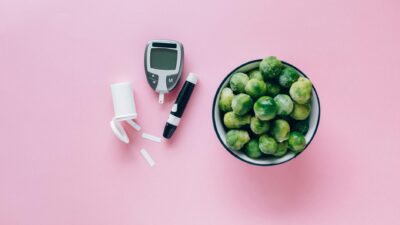
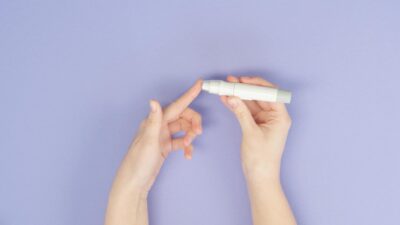
A GLP 1 shot is a prescription injectable medication that copies the action of glucagon-like peptide-1, a natural hormone your gut releases after meals. By activating GLP-1 receptors, the injection lowers blood sugar, slows digestion, and reduces hunger, which is why it is used to treat type 2 diabetes and, at higher doses, obesity.
What a GLP 1 Shot Is and Who Makes It
GLP-1 receptor agonists are a class of medications, not a single drug. The three most common brand-name GLP 1 shots in 2025 are:
- Semaglutide (Ozempic and Rybelsus for type 2 diabetes, Wegovy for obesity) from Novo Nordisk
- Tirzepatide (Mounjaro for type 2 diabetes, Zepbound for obesity) from Eli Lilly, technically a dual GIP/GLP-1 agonist
- Liraglutide (Victoza for type 2 diabetes, Saxenda for obesity) from Novo Nordisk
Dulaglutide (Trulicity) and exenatide (Bydureon) are additional weekly options. Liraglutide is the exception in the class because it is dosed daily rather than weekly.
How the Injection Pen Works
Modern GLP 1 shots come in prefilled, disposable pens. You do not draw the medicine into a syringe. Each pen contains either a single weekly dose or enough for four weekly doses. To use one:
- Take the pen out of the refrigerator 15 to 30 minutes before injecting so it is closer to room temperature.
- Inspect the liquid. It should be clear and colorless. Do not use cloudy or particulate solution.
- Attach a new pen needle, prime if the label requires it, and dial to the correct dose.
- Choose a site, clean with alcohol, pinch the skin lightly if needed, and push the pen straight in at 90 degrees.
- Press and hold the button, count slowly to 6 to 10 (check your specific product’s instructions), withdraw, and dispose of the needle in a sharps container.
Weekly shots can be taken any day, with or without food, as long as you stay consistent week to week. If you miss a dose, most labels allow you to take it within 4 to 5 days.
Where to Inject and Why Rotation Matters
FDA-approved injection sites for GLP 1 shots are the abdomen, thigh, and upper arm. Rotating sites each week prevents lipohypertrophy, which are fatty lumps that form when the same tissue is repeatedly irritated. Lumps also slow absorption, making the medication less predictable.
| Site | Pros | Cons |
|---|---|---|
| Abdomen (2+ inches from navel) | Large surface, easy self-injection, steady absorption | Avoid stretch marks, scars, tattoos |
| Front or outer thigh | Easy to see while seated | Slightly slower absorption |
| Back of upper arm | Discreet | Usually needs a partner to inject well |
Dosing Schedule: Titration Is Standard
Every GLP 1 shot starts low and titrates up over weeks or months. This is not optional; it is how clinicians minimize nausea. For example, semaglutide for type 2 diabetes begins at 0.25 mg weekly for 4 weeks, then 0.5 mg, then 1 mg, and can eventually reach 2 mg. Tirzepatide starts at 2.5 mg weekly and climbs by 2.5 mg increments up to 15 mg. Your prescriber maps the timeline based on tolerance and target (glucose control, weight loss, or both).
Common Side Effects and How to Manage Them
According to FDA prescribing information, the most reported side effects across the class are gastrointestinal:
- Nausea (most common, peaks 1 to 3 days after injection)
- Vomiting, diarrhea, or constipation
- Abdominal discomfort, bloating, burping
- Decreased appetite and early fullness
- Injection-site reactions (redness, itching, small bumps)
- Fatigue, headache, or mild dizziness during titration
Tips that help: eat smaller, lower-fat meals; stop eating when satisfied rather than full; sip fluids through the day; avoid high-fat or fried foods right after a dose; and ask your clinician about a slower titration if nausea is severe.
Serious but uncommon risks include pancreatitis, gallbladder disease, kidney injury from dehydration, and, based on animal data, medullary thyroid carcinoma. The drug is contraindicated in people with a personal or family history of MEN2 or medullary thyroid cancer.
Who Might Benefit From a GLP 1 Shot
The American Diabetes Association now recommends GLP-1 receptor agonists (or dual agonists) as a preferred add-on therapy for adults with type 2 diabetes who need weight loss, have cardiovascular disease, or have chronic kidney disease. They are also FDA-approved for chronic weight management in adults with a BMI of 30 or above, or 27 with a weight-related comorbidity. People with prediabetes may be prescribed GLP-1 shots off-label for weight reduction when lifestyle change alone has not been enough, paired with the strategies in our Treatment hub and Diet and Nutrition hub.
The Bottom Line
A GLP 1 shot is a weekly (or daily, for liraglutide) prefilled-pen injection that activates the same receptors your body uses to regulate blood sugar and appetite. With proper titration, site rotation, and medical follow-up, it can meaningfully lower A1C and produce double-digit weight loss. It is not a magic bullet, and the GI side effects are real, but for the right patient it is one of the most effective outpatient tools in modern cardiometabolic medicine.
This article is for informational purposes only and is not a substitute for professional medical advice. Always speak with your healthcare provider before starting, stopping, or changing any prescription medication.