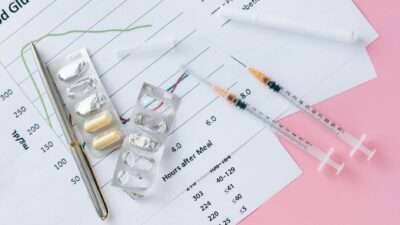
The tirzepatide injection pen is a subcutaneous delivery device for Eli Lilly’s dual GIP and GLP-1 receptor agonist, sold as Mounjaro for type 2 diabetes and Zepbound for chronic weight management. Most patients receive the single-dose prefilled pen; a multi-dose KwikPen format has also been authorized. This guide walks through how to use the pen, where to inject, and how to store and dispose of it per FDA labeling.
What the Tirzepatide Injection Pen Contains
Each tirzepatide injection pen is a sterile, prefilled, single-patient device containing a fixed dose of tirzepatide in a phosphate-buffered solution. FDA-approved strengths are 2.5 mg, 5 mg, 7.5 mg, 10 mg, 12.5 mg, and 15 mg, with dosing typically escalated month-by-month under clinician supervision. The active ingredient, tirzepatide, is a once-weekly subcutaneous injection according to the Mounjaro prescribing information.
Single-Dose Pen vs KwikPen
Two pen formats exist in the U.S. market. Knowing the difference matters because cleaning, storage, and dose selection differ.
Single-Dose Prefilled Pen
- One pen per weekly dose; discard after use.
- No dose dial. The strength is printed on the label and color-coded by mg level.
- No priming step required.
- Pen has an attached hidden needle; you never handle the needle directly.
KwikPen (Multi-Dose)
- One pen contains four weekly doses at a fixed strength.
- You dial the set dose, attach a new pen needle for each injection, then detach and dispose of the needle.
- In-use KwikPens are stored at room temperature up to 21 days per label.
- Requires a priming or air-shot step the first time the pen is used, per the instructions for use.
How to Use the Tirzepatide Injection Pen
The exact steps are printed in the instructions for use that accompany every pen. A general outline mirrors both the Mounjaro and Zepbound prescribing information:
- Check the pen. Confirm the name, dose strength, expiration date, and that the liquid is clear and colorless to slightly yellow.
- Let it warm. Remove the pen from the refrigerator 30 minutes before injecting to reduce sting.
- Clean the site. Wash your hands. Wipe the injection area with an alcohol swab and let it air dry.
- Remove the base cap. On the single-dose pen, twist the gray cap off and do not replace it. Do not touch the clear base where the needle is housed.
- Place and inject. Press the clear base flat against the skin. Press and hold the purple injection button until you hear a second click, usually 5 to 10 seconds.
- Dispose. Drop the used pen directly into an FDA-cleared sharps container. Do not recap.
Where to Inject
FDA labeling approves three subcutaneous sites for the tirzepatide injection pen:
| Site | Landmark | Notes |
|---|---|---|
| Abdomen | At least two inches from the navel | Fastest absorption for most users; easy self-access. |
| Front of thigh | Midway between hip and knee, about a hand’s width from the groin | Good self-access; pinch fat gently if thin. |
| Back of upper arm | Fleshy area above the triceps | Usually requires a caregiver to inject. |
Rotate the site each week and avoid skin that is tender, bruised, scarred, tattooed, or has stretch marks. Rotation helps prevent lipohypertrophy — lumpy fatty buildup that can slow drug absorption. For a deeper dive into site selection, see our companion guide on the treatment options for prediabetes and weight loss.
Storage and Temperature Rules
- Unopened pens: refrigerate at 36 to 46 degrees Fahrenheit (2 to 8 degrees Celsius) in the original carton to protect from light.
- In-use or transported pens: up to 86 degrees Fahrenheit (30 degrees Celsius) for up to 21 days.
- Never freeze. If frozen, discard the pen even if it looks normal once thawed.
- Do not use past the expiration date printed on the carton and pen label.
Disposal and Sharps Safety
Per the FDA’s guidance on sharps disposal, used pens and needles should go into an FDA-cleared sharps container. When the container is about three-quarters full, check your state or municipal program for drop-off locations, mail-back services, or household hazardous waste collection. Never place sharps in household trash or recycling.
Common Side Effects to Expect
The pen delivery method does not change the side effect profile of the drug. The most frequently reported reactions in clinical trials included:
- Nausea, diarrhea, vomiting, constipation, and dyspepsia.
- Decreased appetite and early satiety.
- Injection-site reactions such as redness or mild swelling.
- Fatigue during titration weeks.
Call your clinician if you experience severe abdominal pain that radiates to the back (possible pancreatitis), signs of a gallbladder attack, persistent vomiting, or vision changes. If you or your clinician are monitoring A1C levels alongside weight, you may also see modest reductions in fasting glucose as a secondary effect of appetite suppression and weight loss.
The Bottom Line
The tirzepatide injection pen is simple by design: no dose dialing on the single-dose version, no visible needle, and a straightforward press-and-hold technique. The details that matter are the storage rules, site rotation, and safe sharps disposal. Always follow the instructions for use that ship with your specific pen format, and call your prescriber for any dose change or persistent side effect.
Medical disclaimer: This article is for informational purposes only and does not constitute medical advice. Always consult a qualified healthcare professional before starting, stopping, or changing any medication or treatment plan.