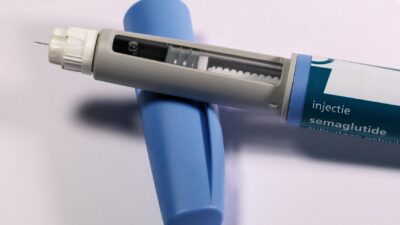
Oral semaglutide reviews typically focus on Rybelsus, a once-daily tablet approved by the FDA for the treatment of type 2 diabetes in adults. Reviews span several themes: how strict the morning absorption rules are, what GI side effects patients experience, and how Rybelsus compares with once-weekly injectable semaglutide. This guide summarizes the patterns you will see in reviews and places them in the context of the FDA-approved prescribing information.
What Rybelsus Is
Rybelsus is an oral tablet containing semaglutide — the same GLP-1 receptor agonist molecule used in the injectable products Ozempic and Wegovy. Per the Rybelsus prescribing information, it is supplied in 3 mg, 7 mg, and 14 mg strengths. Dosing typically starts at 3 mg daily for 30 days (for tolerability), then moves to 7 mg, and if needed 14 mg.
Rybelsus is currently FDA-approved for type 2 diabetes glycemic control. It is not approved for weight management in the United States, though many reviewers note weight loss as a secondary effect alongside improved blood sugar.
The Absorption Rules Reviewers Keep Repeating
Oral semaglutide uses an absorption enhancer called SNAC to help the peptide survive the stomach. Absorption is still low and highly sensitive to conditions in the gut. The label instructs:
- Take on an empty stomach, first thing in the morning.
- Swallow with no more than four ounces of plain water.
- Wait at least 30 minutes before eating, drinking anything else, or taking other oral medications.
- Swallow the tablet whole. Do not split, crush, or chew it.
Reviewers who skip these steps consistently report weaker effects. Reviewers who follow them describe appetite suppression and A1C improvement similar to patients on injectable semaglutide, though onset tends to be more gradual.
Dose and Schedule
| Phase | Daily Dose | Purpose |
|---|---|---|
| Initiation | 3 mg | Tolerability; 3 mg is not considered therapeutic for glycemic control |
| Standard | 7 mg | First therapeutic maintenance dose |
| Optional step-up | 14 mg | If additional A1C reduction is needed after at least 30 days at 7 mg |
Do not double up if you miss a dose — skip it and resume the next morning. Splitting 14 mg into two 7 mg tablets is not equivalent to one 14 mg tablet because of how absorption scales.
Patient-Reported Themes
What Reviewers Praise
- No needles. For people nervous about injections, a daily pill is easier psychologically.
- Appetite suppression. Reduced “food noise” and smaller meal sizes are commonly reported.
- A1C improvement. The PIONEER trial program, including results published in the New England Journal of Medicine, documented meaningful reductions at 7 mg and 14 mg versus placebo.
- Weight loss as a secondary effect. Off-label weight benefit is noted by many reviewers, though magnitude is usually less than with injectable semaglutide at its highest weight-loss doses.
What Reviewers Criticize
- The morning routine. The 30-minute wait feels restrictive for some patients.
- GI side effects. Nausea, reflux, diarrhea, and constipation are the top reasons for discontinuation.
- Cost without insurance. Cash prices are not trivial, and coverage varies widely by plan.
- Slower onset. Compared with the injectable form, reviewers describe a slower ramp of effect.
Cost vs Injectables
Rybelsus is typically priced in the same ballpark as injectable GLP-1s at retail, though pharmacy benefit coverage can differ. Because Rybelsus is FDA-approved for type 2 diabetes, coverage tends to be better for patients with a diabetes diagnosis than for purely cosmetic weight loss goals. Patient assistance programs from the manufacturer may apply.
Who Should Not Take Rybelsus
The boxed warning and contraindications mirror injectable semaglutide:
- Personal or family history of medullary thyroid carcinoma.
- Multiple endocrine neoplasia syndrome type 2 (MEN 2).
- Known hypersensitivity to semaglutide or to excipients in the tablet.
Use with caution in patients with a history of pancreatitis, significant gastrointestinal disease such as gastroparesis, active diabetic retinopathy, or kidney disease.
Interactions Worth Noting
Because Rybelsus slows gastric emptying and the absorption window is tight, oral medications taken within 30 minutes can be affected. Common flags include levothyroxine (which has its own absorption rules), oral contraceptives (timing matters), and some oral antibiotics. The American Diabetes Association’s overview of oral diabetes medications is a good starting point, but talk to your prescriber and pharmacist for a specific interaction review.
How Rybelsus Compares With Injectable Semaglutide
| Attribute | Rybelsus (Oral) | Ozempic / Wegovy (Injection) |
|---|---|---|
| Schedule | Once daily | Once weekly |
| FDA-approved indication | Type 2 diabetes | Type 2 diabetes (Ozempic), chronic weight management (Wegovy) |
| Timing constraints | Empty stomach, 4 oz water, 30 min wait | Any time, with or without food |
| Typical A1C reduction | ~1.0% to 1.4% at therapeutic doses | ~1.4% to 1.8% at therapeutic doses |
| Typical weight loss | Modest, off-label | Up to ~15% with Wegovy at the high dose |
Fitting Oral Semaglutide Into a Broader Plan
Rybelsus works best when paired with sustainable nutrition, movement, and sleep habits. If you are using it because your A1C levels have crossed into prediabetes or type 2 diabetes territory, combine it with the foundations in our treatment hub.
The Bottom Line
Oral semaglutide reviews are broadly positive for patients who commit to the strict morning dosing window. Rybelsus offers an injection-free option with appetite and glycemic benefits similar in direction — if usually smaller in magnitude — to injectable semaglutide. As with any prescription medication, decide with a clinician who can factor in your full history, insurance coverage, and goals.
Medical disclaimer: This article is for informational purposes only and does not constitute medical advice. Always consult a qualified healthcare professional before starting, stopping, or changing any medication or treatment plan.