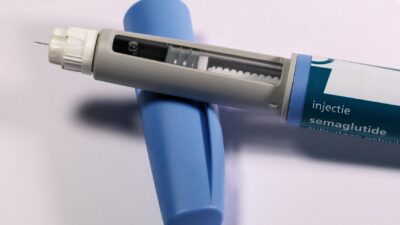
Tirzepatide dose escalation follows a standardized FDA-approved schedule: start at 2.5 mg once weekly for four weeks, increase to 5 mg weekly, and step up in 2.5 mg increments no sooner than every four weeks, up to a maximum of 15 mg weekly. The schedule is designed to balance efficacy with GI tolerability. This guide walks through each step, explains when to slow titration, and highlights the clinician conversations that should accompany every dose change.
The Standard Tirzepatide Dose Escalation Schedule
Both the Mounjaro prescribing information and the Zepbound prescribing information use the same weekly-injection pattern:
| Weeks | Weekly Dose | Purpose |
|---|---|---|
| 1 – 4 | 2.5 mg | Initiation (tolerability), not therapeutic for glycemic control |
| 5 – 8 | 5 mg | First therapeutic maintenance dose |
| 9 – 12 | 7.5 mg (optional) | Step-up if additional response is needed and tolerated |
| 13 – 16 | 10 mg (optional) | Further step-up if needed and tolerated |
| 17 – 20 | 12.5 mg (optional) | Further step-up if needed and tolerated |
| 21 + | 15 mg (maximum) | Top FDA-approved weekly dose |
Not every patient needs to reach 15 mg. Many hit their A1C or weight goals at 5 mg, 7.5 mg, or 10 mg and remain there. The minimum dose that achieves your clinical target is typically the better long-term dose.
Why the Schedule Exists
GLP-1 and GIP receptor activation is new territory for the gut. The first days after each step-up are when nausea, constipation, and diarrhea peak. Four weeks at a given dose usually allows GI symptoms to settle before the next increase. The label uses four-week intervals as the minimum, not the target; your clinician may choose to extend a step if needed.
Clinical Anchors for Each Dose Step
Before moving up, most clinicians want to see:
- Tolerability. Nausea, vomiting, and diarrhea are mild or resolved.
- Hydration. You are able to drink and retain fluids.
- Stable weight trajectory or A1C improvement. Some progress is visible, but the response has plateaued or is below target.
- No red-flag symptoms. No severe abdominal pain, persistent vomiting, or signs of gallbladder or pancreatic trouble.
Without these anchors, the step-up may amplify side effects without adding clinical benefit.
When to Slow Tirzepatide Dose Escalation
Slowing titration is a common clinician move and not a failure. Indications include:
- Moderate to severe nausea, vomiting, or diarrhea lasting more than a few days.
- Dehydration, light-headedness, or acute kidney function changes tied to GI losses.
- Hypoglycemia when combined with insulin or a sulfonylurea (dose adjustments of the other drugs are usually warranted).
- Weight loss faster than planned, especially if intake has become inadequate.
Options include staying at the current dose for another four weeks, stepping down one level, or (in rare cases) pausing for a week before resuming. All of these should be decided with your prescriber, not unilaterally.
What Trial Data Tell Us About Dose Response
SURMOUNT-1, published in the New England Journal of Medicine, tested 5 mg, 10 mg, and 15 mg weekly over 72 weeks in people with obesity or overweight without diabetes and found mean weight reductions of roughly 15%, 19.5%, and 20.9%, respectively. For A1C, SURPASS trials in type 2 diabetes showed dose-response improvement across the same three strengths. The takeaway: higher doses generally produce larger effects, but the incremental gain gets smaller at the top of the range.
Practical Tips Through the Titration
- Inject the same day each week. Consistency helps absorption patterns and makes it easier to track side effects.
- Hydrate. Many titration-related issues begin as fluid loss from GI symptoms.
- Eat smaller meals. Overeating late in the day is a common nausea trigger.
- Track side effects in a short log. Bring it to clinic visits to inform dose decisions.
- Rotate injection sites. Abdomen, front of thigh, and back of upper arm, moving one inch within a region across weeks.
Pairing Escalation With Lifestyle Change
Dose escalation without lifestyle change often leads to rebound weight gain once the drug is stopped. If you are starting tirzepatide because of prediabetes or rising A1C levels, combine the titration months with structured nutrition and activity work. Our treatment hub outlines practical frameworks.
The Bottom Line
Tirzepatide dose escalation is slow, steady, and individualized. Follow the FDA schedule as a default, slow it down when side effects demand, and always coordinate changes with your prescriber. The best dose is the lowest one that achieves your clinical target with tolerable side effects — not necessarily the highest dose on the label.
Medical disclaimer: This article is for informational purposes only and does not constitute medical advice. Always consult a qualified healthcare professional before starting, stopping, or changing any medication or treatment plan.