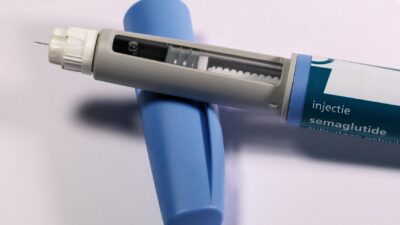
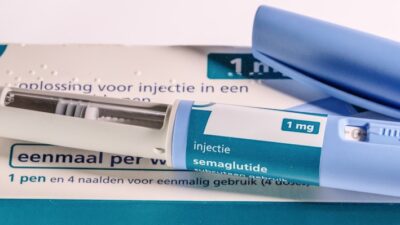
Zepbound benefits, per FDA labeling, center on two indications: chronic weight management in adults with obesity or overweight plus a weight-related condition, and moderate-to-severe obstructive sleep apnea (OSA) in adults with obesity. The active ingredient is tirzepatide, a dual GIP and GLP-1 receptor agonist. This guide walks through the trial data behind each benefit, the metabolic secondary effects patients often notice, and the safety considerations that come with them.
What Zepbound Is and How It Works
Zepbound is a once-weekly subcutaneous injection. It activates two incretin receptors — GIP and GLP-1 — which together reduce appetite, slow gastric emptying, and improve postprandial glucose handling. The Zepbound prescribing information details the approved strengths (2.5, 5, 7.5, 10, 12.5, 15 mg), dose escalation, and contraindications.
Zepbound Benefits: Weight Management (SURMOUNT-1)
SURMOUNT-1, published in the New England Journal of Medicine, enrolled adults with obesity or overweight without type 2 diabetes and followed three tirzepatide doses versus placebo over 72 weeks.
| Arm | Mean Weight Change | Patients Losing ≥5% of Weight |
|---|---|---|
| Placebo | about -3% | about 35% |
| Tirzepatide 5 mg weekly | about -15% | about 85% |
| Tirzepatide 10 mg weekly | about -19.5% | about 89% |
| Tirzepatide 15 mg weekly | about -20.9% | about 91% |
Numbers like these are averages; real-world outcomes depend on adherence, starting BMI, nutrition, activity, sleep, and whether the medication is continued long enough for full effect. Most responders continue to lose weight throughout the first year.
Zepbound Benefits: Obstructive Sleep Apnea (SURMOUNT-OSA)
In December 2024, the FDA expanded Zepbound’s approval to include moderate-to-severe OSA in adults with obesity. The decision was based on the SURMOUNT-OSA program, results of which were published in the New England Journal of Medicine. The trial ran parallel arms — one in patients not using positive airway pressure (PAP) and one in patients using PAP — and measured the Apnea-Hypopnea Index (AHI) at 52 weeks.
- Both arms showed meaningful AHI reductions versus placebo.
- A substantial share of patients achieved disease-modifying reductions in apneic events.
- Weight loss tracked with SURMOUNT-1 magnitudes, reinforcing the link between weight change and OSA severity.
Zepbound is the first pharmacologic therapy to receive an FDA indication specifically for OSA in adults with obesity. It does not replace PAP in patients who respond well to it, but it adds an option where weight is a major driver of apnea severity.
Secondary Metabolic Benefits Patients Report
Trial secondary endpoints and real-world follow-up have shown improvements in many metabolic markers, even when the drug is being used primarily for weight management:
- Fasting glucose and A1C reductions (Mounjaro holds the separate type 2 diabetes indication).
- Lower blood pressure, particularly systolic.
- Reduced waist circumference as visceral fat declines.
- Improvements in triglycerides and high-density lipoprotein cholesterol.
- Reduced levels of some inflammatory markers.
These are secondary effects of sustained weight loss combined with direct incretin-driven changes in metabolism.
Who Is a Candidate for Zepbound?
Per the FDA label, Zepbound is indicated for adults with:
- BMI of 30 kg/m² or greater (obesity), or
- BMI of 27 kg/m² or greater (overweight) plus at least one weight-related condition such as hypertension, dyslipidemia, type 2 diabetes, or obstructive sleep apnea.
The OSA indication applies specifically to adults with obesity and moderate-to-severe OSA.
Safety Considerations That Balance the Benefits
No medication is benefit-only. The Zepbound label describes a boxed warning for thyroid C-cell tumors in rodent studies and contraindicates the drug in patients with a personal or family history of medullary thyroid carcinoma (MTC) or multiple endocrine neoplasia type 2 (MEN 2). Other important risks include:
- Pancreatitis.
- Gallbladder disease, including cholelithiasis and cholecystitis.
- Acute kidney injury, typically secondary to severe GI losses.
- Hypoglycemia when used with insulin or insulin secretagogues (more relevant for tirzepatide as Mounjaro in diabetes).
- Severe GI reactions, including persistent vomiting.
- Hypersensitivity reactions.
- Retinopathy progression in patients with pre-existing diabetic retinopathy (more relevant in diabetes use).
Common side effects — nausea, diarrhea, constipation, vomiting, fatigue, abdominal pain, and injection-site reactions — are most prominent during dose escalation.
How to Think About Zepbound vs Alternatives
| Option | Typical Weight Loss | Route |
|---|---|---|
| Lifestyle alone (structured program) | about 5–10% at 1 year | Behavior change |
| Semaglutide 2.4 mg (Wegovy) | about 15% average | Weekly subcutaneous injection |
| Tirzepatide 15 mg (Zepbound) | about 20–21% average | Weekly subcutaneous injection |
| Bariatric surgery | about 25–30% at 1 year, varies by procedure | Surgical |
Your own “right answer” depends on medical history, insurance coverage, comorbidities, and how you respond to any given option.
Fitting Zepbound Into a Broader Plan
Zepbound is powerful, but durability depends on what you pair it with. If you are starting Zepbound because of prediabetes risk and rising A1C levels, combine it with the nutrition, activity, and sleep foundations in our treatment hub. The months on medication are the ideal window to install durable habits that protect weight loss if or when the drug is eventually tapered.
The Bottom Line
Zepbound benefits are substantial and well-documented: large-magnitude weight loss in SURMOUNT-1, meaningful sleep apnea improvement in SURMOUNT-OSA, and a raft of secondary metabolic gains. These are real. So are the side effects and the boxed warning. Decide with a clinician who can match the benefit-risk profile to your individual situation and monitor you over time.
Medical disclaimer: This article is for informational purposes only and does not constitute medical advice. Always consult a qualified healthcare professional before starting, stopping, or changing any medication or treatment plan.