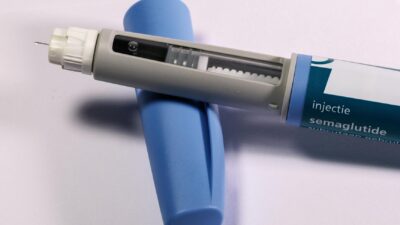
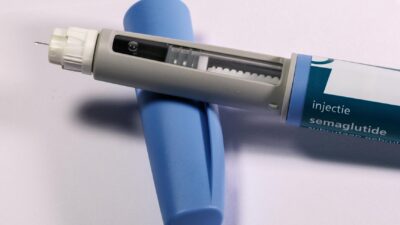
GLP-1 injections are prescription medications that mimic glucagon-like peptide-1, a gut hormone released after eating. They treat type 2 diabetes and obesity by boosting insulin release, slowing gastric emptying, and reducing appetite. The class includes semaglutide, liraglutide, dulaglutide, exenatide, and the dual agonist tirzepatide. Dosing and selection are decisions for your clinician.
What GLP-1 Injections Treat
According to the FDA, GLP-1 receptor agonists are approved for:
- Type 2 diabetes mellitus (all approved agents in this class)
- Chronic weight management in adults with obesity or overweight with weight-related conditions (liraglutide 3 mg, semaglutide 2.4 mg, tirzepatide 5 to 15 mg)
- Cardiovascular risk reduction in people with type 2 diabetes and established cardiovascular disease (semaglutide, liraglutide, dulaglutide)
- Weight management in adolescents 12 and older for certain products
They are not approved for type 1 diabetes or diabetic ketoacidosis.
How They Work
The native GLP-1 hormone is released by intestinal L-cells in response to food. It tells the pancreas to release insulin only when glucose is elevated (a “glucose-dependent” effect that lowers hypoglycemia risk), suppresses glucagon from alpha cells, slows how fast the stomach empties, and signals satiety in the brain’s hypothalamus.
Native GLP-1 is broken down within minutes by an enzyme called DPP-4. Injectable analogs are chemically modified to resist DPP-4, extending their action from daily (liraglutide) to weekly (semaglutide, dulaglutide, tirzepatide).
Available Injectable Options
| Agent | Brand(s) | Frequency | Approved For |
|---|---|---|---|
| Semaglutide | Ozempic, Wegovy | Weekly | T2D, weight, CV risk |
| Liraglutide | Victoza, Saxenda | Daily | T2D, weight |
| Dulaglutide | Trulicity | Weekly | T2D, CV risk |
| Exenatide ER | Bydureon BCise | Weekly | T2D |
| Tirzepatide | Mounjaro, Zepbound | Weekly | T2D, weight |
Tirzepatide is technically a dual GIP/GLP-1 receptor agonist and is often discussed alongside this class because of shared mechanisms.
Clinical Benefits
Trials summarized by the American Diabetes Association show that GLP-1 agonists typically produce:
- A1C reductions of 1.0 to 1.8 percent
- Weight loss of 5 to 15 percent, depending on agent and dose
- Reduced major adverse cardiovascular events in high-risk groups
- Slower progression of chronic kidney disease (particularly semaglutide)
For context on metabolic benchmarks, see our A1C levels hub.
Common Side Effects
Gastrointestinal effects dominate the side-effect profile:
- Nausea (most common, usually during escalation)
- Vomiting
- Diarrhea
- Constipation
- Reflux and early satiety
- Injection-site redness or itching
Most symptoms improve within four to eight weeks as the dose stabilizes. Slower titration and smaller, lower-fat meals help.
Serious Risks
Less common but important risks include:
- Pancreatitis (stop the drug and seek care for severe abdominal pain)
- Gallbladder disease and gallstones
- Acute kidney injury, usually linked to dehydration from vomiting
- Severe hypoglycemia when combined with insulin or sulfonylureas
- Diabetic retinopathy complications (reported with semaglutide)
- Gastroparesis or severely delayed gastric emptying
FDA-labeled boxed warnings note a risk of medullary thyroid carcinoma based on rodent studies, so personal or family history of medullary thyroid carcinoma or MEN 2 is a contraindication.
Who Is a Good Candidate
GLP-1 injections are typically considered for adults with type 2 diabetes who need better glucose control, adults with obesity or overweight with comorbidities, and people with established cardiovascular disease plus diabetes. Candidates should have no contraindications and be willing to use an injectable. The decision belongs to your prescribing clinician.
Cost and Access
List prices are high, though insurance coverage varies. Many plans cover GLP-1 agonists for type 2 diabetes but not for weight loss alone. Patient assistance programs and generic authorized alternatives change frequently, so ask your pharmacy and clinician about current options.
Where They Fit in a Treatment Plan
GLP-1 injections are one option within a broader diabetes treatment strategy. They pair well with lifestyle change, metformin, and SGLT2 inhibitors. They are not a replacement for dietary work, activity, and sleep, which remain foundational. For earlier-stage metabolic concerns, review the prediabetes overview.
The Bottom Line
GLP-1 injections are effective, evidence-backed tools for type 2 diabetes and obesity, delivering meaningful A1C and weight improvements plus cardiovascular and kidney benefits in the right populations. They carry real but manageable side effects and specific contraindications. If you are considering one, discuss the options, goals, and monitoring plan with your clinician rather than choosing a brand from a headline.
This article is for educational purposes only and is not a substitute for personalized medical advice. Always consult a qualified healthcare provider about prescription medications.