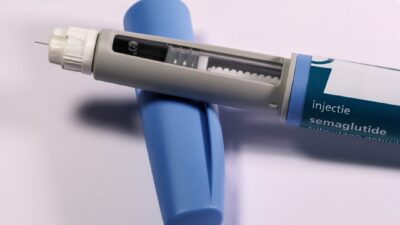
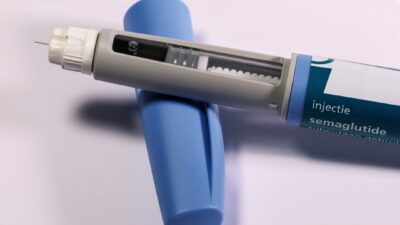
To relieve nausea from semaglutide, eat smaller more frequent meals, prioritize protein and bland carbohydrates, drink at least 64 ounces of water daily, and avoid fatty, fried, spicy, and very sweet foods. Over-the-counter ginger and peppermint help mild cases. Ondansetron (Zofran) is the most common prescription option for moderate to severe nausea. Severe or persistent nausea, vomiting that prevents hydration, or sharp abdominal pain warrant a call to your prescriber.
When Semaglutide Nausea Peaks
| Phase | Nausea Risk |
|---|---|
| Days 1 to 3 after first injection (0.25 mg) | Highest |
| Days 4 to 7 after first injection | Moderate, declining |
| Weeks 2 to 4 at same dose | Low — gut adapted |
| First 1 to 3 days after each dose step up | Re-elevated for that dose |
| Persistent at maintenance dose | Uncommon — reassess if present |
Dietary Strategies That Help
Eat Small and Frequent
- 5 to 6 small meals or snacks daily instead of 3 large meals
- Stop eating when first feeling full — semaglutide-induced fullness arrives early
- Keep portions to roughly 1 cup per meal in the first 2 weeks
- Avoid lying down for 30 minutes after eating
Eat Protein First
- Lean protein at the start of each meal (eggs, chicken, fish, tofu, Greek yogurt)
- 0.8 to 1 g protein per kg body weight daily helps preserve muscle and reduces nausea
- Avoid leading with greasy or sugary foods
Foods That Tend to Help
- Toast, plain crackers, rice, oatmeal
- Baked or boiled potato
- Banana, applesauce, melon
- Broiled or baked lean meats
- White fish
- Hard-boiled eggs
- Plain yogurt
- Cold foods often better than hot (smoothies, popsicles, cold soups)
Foods to Avoid
- Fried foods, fast food
- Heavy cream sauces, cheese-heavy dishes
- Spicy or strongly seasoned dishes
- Very sweet desserts, candy, sugary drinks
- Carbonated beverages (especially in the first hours after injection)
- Alcohol — amplifies nausea and slows gastric emptying further
- Large salads with heavy raw vegetables (slow gastric emptying)
Hydration: The Underrated Fix
Semaglutide reduces thirst signaling in many users. Underhydration directly worsens nausea, headache, and fatigue. Aim for:
- At least 64 ounces (2 liters) of water daily
- More if active, in hot weather, or at higher altitude
- Electrolytes (sugar-free) if losing fluid through diarrhea or vomiting
- Sip throughout the day rather than chugging large volumes
- Cold water often more palatable than room temperature when nauseated
OTC Options for Mild Nausea
| Option | Dose | Notes |
|---|---|---|
| Ginger capsules | 250 to 500 mg up to 4 times daily | Strongest OTC evidence |
| Ginger tea | 1 to 3 cups daily | Soothing; can be sipped slowly |
| Crystallized ginger | 1 to 2 small pieces as needed | Watch sugar content |
| Peppermint tea or candies | As needed | Avoid if reflux |
| Sea-Bands (acupressure) | Wear during peak hours | Mild but no side effects |
| Vitamin B6 | 10 to 25 mg up to 3 times daily | Used for pregnancy nausea, often helps GLP-1 nausea |
Prescription Options
| Medication | Typical Dose | Notes |
|---|---|---|
| Ondansetron (Zofran) | 4 mg every 6 to 8 hours as needed | Most commonly prescribed; can cause constipation |
| Promethazine (Phenergan) | 12.5 to 25 mg as needed | Sedating |
| Metoclopramide (Reglan) | 5 to 10 mg before meals | Generally avoided long-term — rare neurological side effects |
| Prochlorperazine (Compazine) | 5 to 10 mg as needed | Less common option |
Ask your prescriber for a few doses of ondansetron to keep on hand for the first weeks of each dose step.
Behavioral Tips
- Time injections for the evening before a relaxed day if possible
- Keep light snacks (crackers, ginger candies) at the bedside for night nausea
- Eat before getting too hungry — empty stomach worsens nausea
- Brush teeth after eating with peppermint toothpaste (signals end of meal)
- Take slow walks — gentle motion helps digestion
- Avoid strong food smells if possible
- Wear loose clothing around the abdomen on injection day
When to Call Your Clinician
- Vomiting that prevents you from keeping fluids down for 24 hours
- Severe abdominal pain, especially radiating to the back (possible pancreatitis)
- Vomiting blood or coffee-ground material
- Signs of dehydration (dizziness, very dark urine, headache, fainting, no urine for 8 hours)
- Fever with nausea
- Persistent severe nausea past 14 days at the same dose
- Nausea that returns to severe levels after previously resolving
Dose Adjustments for Persistent Nausea
If nausea remains significant despite the strategies above, your prescriber may:
- Hold your current dose for an extra 4 to 8 weeks before stepping up
- Step you back to the previous dose for 4 weeks before retrying the higher dose
- Switch you to tirzepatide, which sometimes has different side-effect profiles
- Set 1.7 mg or 1.0 mg as your maintenance dose if 2.4 mg is intolerable
See our guide on treatment options for the broader semaglutide schedule.
Related Reading
For more on managing GLP-1 side effects and what to expect on semaglutide, see our overviews of treatment and prediabetes basics.
The Bottom Line
Semaglutide nausea is most often manageable with smaller frequent meals, protein-first eating, hydration of at least 64 ounces of water daily, and avoidance of fatty, fried, and very sweet foods. Ginger and peppermint help mild cases; prescription ondansetron is the workhorse for moderate to severe nausea. Most users see meaningful improvement within 5 to 14 days at any given dose. Severe pain, persistent vomiting, dehydration, or systemic symptoms warrant a prompt call to your prescriber. Holding doses or stepping back is always preferable to powering through severe symptoms.