“Insulin resistance face” describes a cluster of facial and skin signs associated with chronically elevated insulin — dark velvety patches (acanthosis nigricans) on the neck or hairline, skin tags, adult-onset acne, rosacea-like flushing, oily skin, and facial puffiness. These signs often appear before diabetes is diagnosed. The mechanism is elevated insulin stimulating androgens, sebum production, and keratinocyte growth. Addressing the underlying insulin resistance — with weight loss, nutrition changes, exercise, sleep, and sometimes metformin or GLP-1 therapy — improves most of these skin changes over 3 to 12 months.
The Key Skin Signs
| Sign | Where It Appears | What It Looks Like |
|---|---|---|
| Acanthosis nigricans | Back of neck, armpits, hairline, knuckles, groin | Dark, velvety, thickened patches that do not scrub off |
| Skin tags | Neck, eyelids, underarms | Small, soft, flesh-colored or slightly darker growths |
| Adult-onset acne | Jawline, chin, lower cheeks | Deep, cystic, painful; not pattern of teen acne |
| Persistent facial redness | Cheeks, nose, chin | Rosacea-like flushing worsened by heat, alcohol, stress |
| Oily skin and enlarged pores | T-zone and cheeks | Shiny within 2 to 3 hours of washing; visible pores |
| Facial puffiness | Under eyes, cheeks, jaw | Morning puffiness that takes hours to resolve |
| Dark circles | Under eyes | Bluish or brownish shadows; can reflect sleep apnea or inflammation |
| Hirsutism | Chin, upper lip, jawline | Coarse dark hair in a male-pattern in women |
Why Insulin Resistance Shows Up on the Face
When the body’s cells become less responsive to insulin, the pancreas secretes more insulin to compensate. Chronically elevated insulin has several effects relevant to the skin:
- Stimulates insulin-like growth factor 1 (IGF-1): promotes keratinocyte proliferation (the thickening seen in acanthosis nigricans)
- Increases androgen activity: stimulates sebaceous glands, increases sebum, and promotes facial hair growth in women
- Reduces sex hormone binding globulin (SHBG): raises free testosterone, worsening hormonal acne
- Drives inflammation: chronic low-grade inflammation manifests as redness, rosacea, and slower wound healing
- Affects fluid balance: sodium retention from hyperinsulinemia can cause facial puffiness
Acanthosis Nigricans — The Most Specific Sign
- Appears as dark, velvety, thickened patches of skin
- Most commonly on the back of the neck, armpits, groin, or knuckles
- Can look like dirt that does not wash off
- Develops over months to years
- Strongly correlates with HOMA-IR (homeostatic model of insulin resistance) and A1C
- Often precedes a clinical diabetes diagnosis by 5 to 10 years
- In children and adolescents, particularly specific — warrants metabolic workup
- Can occur in other conditions (certain cancers, endocrine syndromes) — persistent cases need clinician evaluation
What Your Clinician Should Check
- Fasting glucose (under 100 normal, 100–125 prediabetes, 126+ diabetes)
- A1C (under 5.7 normal, 5.7–6.4 prediabetes, 6.5+ diabetes)
- Fasting insulin (for HOMA-IR calculation: fasting glucose × fasting insulin / 405; above 2.0 suggests insulin resistance)
- Lipid panel (triglycerides > 150 often accompany insulin resistance)
- TSH (hypothyroidism can mimic some of these signs)
- PCOS workup in women with menstrual irregularity (testosterone, DHEA-S, pelvic ultrasound)
- Vitamin D and B12
What Works to Improve These Skin Signs
Diet
- Reduce refined carbs and sugar-sweetened beverages
- Increase protein to 1.0 to 1.6 g per kg of body weight
- Increase fiber to 30+ g per day
- Prefer low-GI foods (berries, legumes, whole grains)
- Limit alcohol — raises insulin and triglycerides
- Consider time-restricted eating (10 to 12 hour eating window) for insulin rest
Exercise
- 150 minutes per week of moderate aerobic activity
- Resistance training 2 to 3 times per week (muscle is a major glucose sink)
- Post-meal walks (10 to 20 minutes) lower post-meal insulin
Sleep and Stress
- 7 or more hours of sleep — poor sleep worsens insulin resistance
- Evaluate for sleep apnea if snoring, daytime fatigue, or dark circles persist
- Stress management — chronic cortisol worsens insulin resistance
Medications (When Appropriate)
- Metformin: first-line for clinical insulin resistance or prediabetes in many patients
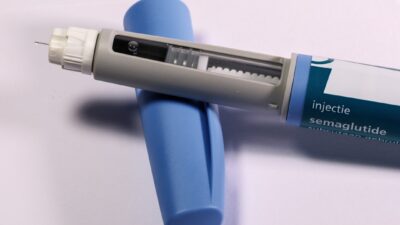
- GLP-1 receptor agonists (semaglutide, tirzepatide): for BMI ≥ 30 or BMI ≥ 27 with comorbidity
- SGLT2 inhibitors: for patients with diabetes plus cardiovascular or kidney indications
- Spironolactone: for hormonal acne and hirsutism in women
Topical Skin Care in Parallel
- Gentle fragrance-free cleanser (CeraVe, Vanicream)
- Topical retinoid (adapalene OTC, tretinoin prescription) for acne and texture
- Salicylic acid for oily skin and clogged pores
- Niacinamide serum — helps redness and sebum regulation
- Broad-spectrum sunscreen daily — prevents hyperpigmentation worsening
- Mild exfoliation (lactic or glycolic acid 1 to 2 times per week)
Realistic Timeline for Improvement
| Time | Expected Changes |
|---|---|
| 2–4 weeks | Facial puffiness improves; oily skin begins to regulate |
| 1–3 months | Acne lesions fewer and less severe; redness calms |
| 3–6 months | Acanthosis nigricans gradually lightens; skin tags may stop new growth |
| 6–12 months | Significant lightening of acanthosis nigricans; overall skin quality improvement |
| 12+ months | Many pre-diabetic skin signs resolve if insulin sensitivity is restored |
What Does Not Reverse
- Existing scarring from cystic acne (may need laser or microneedling)
- Permanent hyperpigmentation in some ethnic skin types
- Hair texture already established by hirsutism (treat with medication or removal)
- Enlarged pores (manageable but not fully reversible)
When to Escalate
- Acanthosis nigricans that appears suddenly in an older adult (rule out malignancy)
- Rapid weight gain with rapid skin changes
- Signs in children or adolescents — full pediatric metabolic workup
- Hirsutism with menstrual irregularity — evaluate PCOS or adrenal disorders
- Persistent severe acne not responding to standard treatment
Related Reading
See our guides on prediabetes 101, is prediabetes reversible, and treatment options.
The Bottom Line
The “insulin resistance face” is not a formal diagnosis but a helpful pattern — acanthosis nigricans, skin tags, adult acne, rosacea-like flushing, oily skin, and facial puffiness often appear together when chronic hyperinsulinemia is present. These signs are sometimes the earliest visible clue to metabolic trouble, appearing before fasting glucose or A1C rise. Treat the underlying insulin resistance with weight loss, reduced refined carbs, regular exercise (especially resistance training), sleep, and appropriate medications. Most skin changes improve over 3 to 12 months. If you notice any of these, ask your clinician to check fasting glucose, A1C, and fasting insulin.