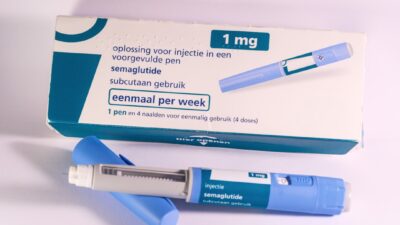
Insulin resistance medication is not a single drug class; it is a group of medicines used in conditions where the body’s cells respond poorly to insulin. These include prediabetes, type 2 diabetes, polycystic ovary syndrome, and obesity. No medication is FDA-approved specifically for insulin resistance as an isolated label, because it is a physiological state rather than a standalone diagnosis. Instead, clinicians choose drugs that treat the underlying condition while improving insulin sensitivity.
Understanding Insulin Resistance
Insulin is the hormone that signals cells to take up glucose from the blood. In insulin resistance, muscle, liver, and fat cells respond less efficiently to that signal. The pancreas compensates by releasing more insulin. Over time, that compensation may fail, and blood glucose rises into the prediabetes or diabetes range. Insulin resistance is also linked to hypertension, dyslipidemia, fatty liver disease, and polycystic ovary syndrome. Our prediabetes 101 overview explains how this biology connects to glucose measurements.
Main Medication Classes
Several classes of medication are relevant when insulin resistance is part of the clinical picture. Each works differently and has its own risk profile.
Metformin
Metformin is a biguanide that primarily reduces how much glucose the liver makes and modestly improves insulin sensitivity in muscle and fat. It is FDA-approved for type 2 diabetes. It is also widely used off-label in prediabetes for people at especially high risk and in polycystic ovary syndrome. Side effects are mostly gastrointestinal, including nausea, diarrhea, and abdominal discomfort, often easing with extended-release formulations. Rare but serious risks include lactic acidosis in people with severely reduced kidney function.
Thiazolidinediones
Pioglitazone and rosiglitazone act on the PPAR-gamma receptor to directly improve insulin sensitivity in adipose and muscle tissue. They are effective but carry specific considerations, including weight gain, fluid retention, risk of heart failure in susceptible patients, increased fracture risk particularly in women, and possible bladder cancer signals with pioglitazone. Clinicians select them carefully for the right patient and context.
GLP-1 Receptor Agonists
Semaglutide, liraglutide, and dulaglutide belong to this class, along with the dual GIP/GLP-1 agonist tirzepatide. They lower glucose by stimulating insulin release when glucose is high, suppressing glucagon, slowing gastric emptying, and reducing appetite. Improvements in insulin sensitivity are largely a downstream effect of weight loss and improved glucose load, not direct sensitization. Side effects are mostly gastrointestinal, with rare but serious concerns including pancreatitis and gallbladder disease.
SGLT2 Inhibitors
Medicines such as empagliflozin, dapagliflozin, and canagliflozin lower blood glucose by increasing urinary glucose excretion. They also produce modest weight loss and have cardiovascular and kidney benefits in people with type 2 diabetes. They do not directly target insulin resistance but improve the metabolic environment. Side effects include genital fungal infections, urinary tract infections, and rare diabetic ketoacidosis.
Other Agents
Alpha-glucosidase inhibitors slow carbohydrate digestion. Colesevelam, a bile acid sequestrant, has modest glucose effects. In certain clinical contexts, bromocriptine, inositol supplements, and other agents are discussed. None of these are first-line for insulin resistance specifically.
At a Glance: How They Compare
| Class | Primary Action | Weight Effect | Key Considerations |
|---|---|---|---|
| Metformin | Lowers liver glucose output | Neutral to mild loss | GI side effects, watch kidney function |
| Thiazolidinediones | Direct insulin sensitizer | Gain | Fluid retention, fracture risk |
| GLP-1 agonists | Incretin effect, appetite | Loss | GI side effects, cost |
| SGLT2 inhibitors | Urinary glucose loss | Mild loss | Genital infections, dehydration |
When Medication Is Considered
For insulin resistance within prediabetes, lifestyle interventions based on the Diabetes Prevention Program are first-line. Metformin may be added for people with a BMI of 35 or higher, those under age 60, or women with a history of gestational diabetes. For type 2 diabetes, medication choice depends on A1C, weight, cardiovascular and kidney status, and patient preference. For PCOS, metformin is often used to address both insulin resistance and menstrual regularity. Any specific decision should follow a clinician evaluation, not a generic article.
Off-Label Versus Approved Uses
Off-label means a medication is prescribed for an indication other than the one the FDA approved. This is legal and often supported by guidelines and evidence. Metformin for prediabetes or PCOS is the most common example in the insulin resistance space. Off-label does not mean untested; it means the manufacturer has not sought FDA approval for that specific indication. Patients should still have the usual conversation about benefits, risks, and monitoring.
Side Effect Profiles Matter
Different patients tolerate different medications. Metformin is generally well tolerated once the dose is titrated and the extended-release form is used. GLP-1 side effects are mostly gastrointestinal and tend to peak during dose escalation. Thiazolidinediones require attention to fluid status and bone health. SGLT2 inhibitors need hydration awareness and genital hygiene education. Selecting a medication is as much about fit as about efficacy. Relevant context is also covered in our treatment hub.
Lifestyle Is Still the Foundation
No medication replaces the effects of regular activity, balanced nutrition, adequate sleep, and modest weight loss on insulin resistance. The DPP showed that intensive lifestyle change reduced progression to type 2 diabetes more than metformin alone in the core cohort. Medication adds benefit but does not substitute for the basics. Our diet and nutrition resources offer practical starting points.
Monitoring on Therapy
Expect periodic A1C checks, typically every three to six months, depending on stability. Kidney function, liver function, and lipids are often reviewed annually. Weight, blood pressure, and symptom burden should be tracked at every visit. New or worsening symptoms, especially severe abdominal pain, significant swelling, or unusual bruising, warrant prompt clinician contact.
The Bottom Line
There is no pill labeled simply as insulin resistance medication, but several well-studied medications improve insulin sensitivity indirectly or directly. Metformin remains the most common first choice in prediabetes and PCOS contexts. Thiazolidinediones offer direct sensitization for selected patients. GLP-1 receptor agonists deliver substantial weight loss and metabolic benefit. SGLT2 inhibitors add cardiovascular and kidney protection in type 2 diabetes. The right choice depends on your diagnosis, labs, and goals, and belongs to a conversation with a clinician rather than a self-selected fix.
Medical disclaimer: This article is educational and does not constitute medical advice. Always consult a licensed healthcare professional before starting or changing a medication.