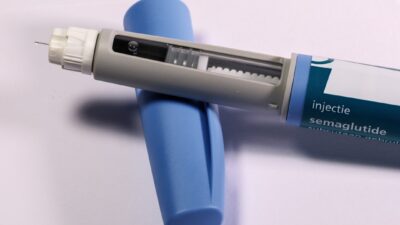
Tirzepatide dose schedules follow a stepwise escalation from a low starting dose through several maintenance strengths, given once weekly by subcutaneous injection. The FDA-approved dose ladders for Mounjaro, used for type 2 diabetes, and Zepbound, used for chronic weight management, share this escalation approach. This article is a clinical reference summarizing how the dose ladder is structured, what drives dose choice, and why dose decisions belong to a licensed clinician. It is not a self-dosing guide.
Why Tirzepatide Is Dose-Escalated
Tirzepatide activates both the GIP and GLP-1 receptors, and these actions influence the digestive tract and appetite pathways. Starting at a low dose and increasing gradually allows the body to adapt and reduces the likelihood of intolerable gastrointestinal side effects such as nausea, vomiting, and diarrhea. In clinical trials, this approach improved retention in therapy and supported higher achievable maintenance doses.
General Structure of the Dose Ladder
Both Mounjaro and Zepbound start at 2.5 milligrams once weekly for the first month as a starter dose rather than a therapeutic dose. The dose is typically increased every four weeks if tolerated, advancing through 5, 7.5, 10, 12.5, and 15 milligrams. The clinician selects a maintenance dose at or before 15 milligrams depending on response and tolerability. For diabetes, the goal is glycemic control with acceptable side effects; for weight management, the goal is sustained weight reduction within tolerability. These decisions are individualized.
Reference Table: Approved Weekly Doses
| Dose Level | Weekly Strength | Typical Role |
|---|---|---|
| Starter | 2.5 mg | First 4 weeks, not intended for maintenance |
| Step 1 | 5 mg | First effective maintenance dose if tolerated |
| Step 2 | 7.5 mg | Intermediate increase for partial response |
| Step 3 | 10 mg | Higher maintenance dose |
| Step 4 | 12.5 mg | Further escalation if indicated |
| Step 5 | 15 mg | Highest approved maintenance dose |
This table is a general reference based on FDA-approved labeling. It does not prescribe a schedule for any individual. Some patients remain at lower doses indefinitely due to tolerability; others reach higher doses based on clinical response. A clinician weighs A1C, weight trajectory, side effects, and comorbid conditions at each step. Context on how A1C guides diabetes decisions is in our A1C levels guide.
Factors That Shape Dose Choice
Indication
Mounjaro is approved for type 2 diabetes; Zepbound is approved for chronic weight management in adults who meet BMI criteria. The approved indications drive the trial data that informs typical target doses.
Tolerability
Gastrointestinal symptoms are the main limiter. If a dose escalation causes persistent severe nausea or vomiting, the clinician may extend the current dose or return to a prior level. Tolerability is individual, and a good dose for one person may be poorly tolerated by another.
Glycemic or Weight Response
If glucose or weight improvement is adequate at a lower dose, there is no requirement to escalate further. The goal is clinical effect within a tolerable side effect profile, not a higher number on the pen.
Other Medications
People on insulin or sulfonylureas have higher hypoglycemia risk when adding tirzepatide, and the clinician may adjust those medications before or during escalation. Our treatment resources provide broader context.
Comorbid Conditions
Severe gastroparesis, inflammatory bowel disease in active flare, pancreatitis history, and certain eye conditions may alter the risk-benefit of escalation. A clinician screens for these.
Injection Mechanics at Each Dose
Each Mounjaro or Zepbound pen delivers a single fixed dose once weekly, subcutaneously, into the abdomen, thigh, or upper arm. Site rotation helps prevent injection-site reactions. Users are instructed to choose a consistent weekly day and time. Because the pen is preloaded and single-use, there is no math to calculate; the correct pen strength corresponds to the prescribed dose. Dose changes require a new prescription at the new strength.
What Happens If The Dose Is Missed
FDA labeling provides specific guidance on missed doses. In general, a missed dose can be taken within a defined number of days after the scheduled day; outside that window, the dose is skipped and the next weekly dose is taken as scheduled. Doubling up is not recommended. Review the specific instructions in your product label and contact your pharmacy if uncertain.
Dose Changes and Interruptions
Life events sometimes interrupt therapy. Surgery, severe illness, pregnancy, or supply gaps may require pauses. When restarting after a prolonged break, the clinician may reintroduce tirzepatide at a lower dose to restore tolerability. Do not resume at the previous maintenance dose without guidance, especially after interruptions of several weeks.
Safety Considerations at Higher Doses
Higher doses correlate with more gastrointestinal side effects in trials. Severe vomiting or reduced intake can cause dehydration and, rarely, acute kidney injury. Pancreatitis, gallbladder disease, and severe hypersensitivity reactions are rare but serious. The thyroid C-cell tumor warning applies at all doses. Severe abdominal pain, persistent vomiting, or signs of dehydration warrant urgent evaluation. Combining tirzepatide with foundational nutrition and activity, as discussed in our diet and nutrition resources, supports sustained benefit at lower doses for many patients.
What This Article Is Not
This is a clinical reference, not a prescriptive guide. It does not tell you which dose to take, when to increase, or how to adjust if you feel a dose is too strong or too weak. Those decisions belong to a licensed clinician who knows your history, labs, medications, and goals. Self-adjusting a prescription GLP-1 or dual-agonist medication can cause harm.
Questions To Bring To Your Clinician
- What is my target dose, and why?
- How will we decide when to escalate?
- What side effects should prompt a call, and which are expected?
- Are there medications I should reduce while we escalate?
- What is the plan if I cannot tolerate a step?
The Bottom Line
The tirzepatide dose ladder begins at a starter dose of 2.5 milligrams once weekly and increases in measured steps through 15 milligrams, with the right maintenance dose determined by individual response and tolerability. Both Mounjaro and Zepbound follow this general structure under their own FDA-approved labeling. Dose decisions require a clinician, not a self-guided protocol. Pair therapy with consistent lifestyle support to get the most out of each dose while minimizing side effects.
Medical disclaimer: This article is a clinical reference for education only. Do not change your tirzepatide dose without guidance from a licensed healthcare professional.