Insulin resistance treatment combines sustained weight loss, resistance and aerobic exercise, sleep optimization, and selectively chosen medications when lifestyle alone does not restore normal glucose handling. Effective insulin resistance treatment is not a single drug but a layered plan matched to the underlying driver.
What Insulin Resistance Actually Is
Insulin resistance describes a state in which muscle, liver, and fat cells respond less to a given amount of insulin. The pancreas compensates by secreting more insulin, which keeps blood glucose normal for years. When beta cells eventually cannot keep pace, fasting glucose and A1C rise, producing prediabetes and then type 2 diabetes.
The condition is most often driven by ectopic fat, meaning triglycerides stored inside liver and muscle cells rather than subcutaneous fat depots. It also accompanies polycystic ovary syndrome, nonalcoholic fatty liver disease, obstructive sleep apnea, and chronic corticosteroid use.
First-Line Treatment: Targeted Lifestyle Change
The Diabetes Prevention Program randomized 3,234 adults with prediabetes to intensive lifestyle change, metformin, or placebo. The lifestyle arm cut progression to type 2 diabetes by 58% over 2.8 years, versus 31% for metformin. That benefit came from modest goals: 7% body weight loss and 150 minutes of moderate activity weekly.
Resistance training adds a distinct benefit that aerobic exercise alone does not capture. Skeletal muscle is the largest site of insulin-mediated glucose disposal, and more muscle mass means greater glucose sinks. Aim for two or three sessions per week of progressive loading.
Dietary patterns that consistently improve insulin sensitivity share a few features: lower refined carbohydrate load, higher fiber intake, adequate protein, and energy deficit when weight loss is needed. Explore these in detail under prediabetes diet guidance.
Sleep, Stress, and Circadian Factors
Two consecutive nights of sleep restriction to four hours reduces insulin sensitivity by roughly 25% in controlled studies. Untreated obstructive sleep apnea compounds the effect. Any effective treatment plan screens for snoring, witnessed apneas, and daytime sleepiness. Chronic stress raises cortisol, which promotes hepatic glucose output and worsens insulin action.
Pharmacologic Options
Medication is considered when lifestyle change has been insufficient or when someone has markers of rapid progression such as A1C above 6.0% or high fasting insulin. The table below compares the main drug classes used for insulin resistance and its complications.
| Medication Class | Example | Primary Mechanism | Typical A1C Drop | Main Side Effects |
|---|---|---|---|---|
| Biguanide | Metformin | Lowers hepatic glucose output | 0.8 to 1.2% | GI upset, B12 deficiency |
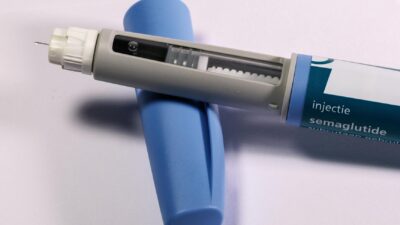
| GLP-1 agonist | Semaglutide | Slows gastric emptying, reduces appetite, improves beta-cell function | 1.0 to 1.5% | Nausea, vomiting, rare pancreatitis |
| Dual GIP and GLP-1 | Tirzepatide | Incretin plus adipose insulin sensitization | 1.5 to 2.1% | Nausea, diarrhea |
| Thiazolidinedione | Pioglitazone | PPAR-gamma activation, insulin sensitization | 0.5 to 1.0% | Weight gain, edema, fracture risk |
| SGLT2 inhibitor | Empagliflozin | Renal glucose excretion | 0.5 to 1.0% | Genital infections, rare DKA |
Where Metformin Fits
Metformin remains the default first medication for most adults with type 2 diabetes and for selected people with prediabetes, particularly those under 60 with BMI above 35 or a history of gestational diabetes. It reduces hepatic gluconeogenesis without causing hypoglycemia and has a neutral to modestly favorable effect on weight. Extended-release formulations improve gastrointestinal tolerance.
GLP-1 and Dual Agonists
Semaglutide and tirzepatide address insulin resistance indirectly by reducing adiposity and hepatic fat. Weight loss of 10 to 20% in trials restored insulin sensitivity in many participants. They are not first-line for isolated insulin resistance without diabetes, but they are increasingly used for obesity-related insulin resistance under appropriate clinical indications.
Pioglitazone: Underused but Effective
Pioglitazone directly sensitizes adipose and muscle to insulin. The ACT-NOW trial showed a 72% reduction in progression from prediabetes to diabetes. Weight gain, edema, fracture risk in postmenopausal women, and heart failure concerns at high doses limit enthusiasm, but low-dose pioglitazone remains an option when other agents fail or are contraindicated.
Treating the Conditions That Cause Insulin Resistance
Isolated insulin resistance treatment will underperform if the driver is untreated. Key coexisting targets include:
- Obstructive sleep apnea, treated with CPAP or weight loss
- Polycystic ovary syndrome, often addressed with metformin, inositol, or hormonal therapy
- Nonalcoholic fatty liver disease, now called MASLD, managed with weight loss and selectively with resmetirom or GLP-1 agonists
- Iatrogenic causes including high-dose corticosteroids and some antipsychotics
- Cushing syndrome, acromegaly, and other rarer endocrine causes
Monitoring Response
Reasonable follow-up labs every 3 to 6 months include fasting glucose, A1C, a lipid panel, liver enzymes, and for patients on metformin, vitamin B12 annually. Many clinicians also track fasting insulin and HOMA-IR, though these are not ADA-recommended for routine management. Understanding A1C levels helps you interpret trends over time.
What Does Not Work
Detox protocols, fasting regimens beyond intermittent eating windows, and most single supplements have not produced reproducible improvements in insulin action. Very low-carbohydrate diets can improve A1C and reduce insulin requirements but have weaker long-term adherence than Mediterranean or DASH patterns. Extremely aggressive carbohydrate restriction may also raise LDL cholesterol in a subset of people.
Setting Realistic Expectations
A 5 to 10% weight loss typically produces meaningful fasting glucose and A1C improvement. Larger losses compound the benefit. Most people see HOMA-IR fall within 8 to 12 weeks of consistent lifestyle change, while A1C responds over about 3 months. Maintenance is the hardest phase, and stepwise addition of medication is appropriate when weight regain threatens hard-won gains.
The Bottom Line
Effective insulin resistance treatment rests on structured lifestyle change, with pharmacology added when biology, comorbidities, or sustained lifestyle change cannot close the gap. The NIDDK insulin resistance overview is a useful starting reference, and the ADA Standards of Care update annually. Discuss the right mix for your metabolic profile, other conditions, and goals with your clinician rather than chasing any single intervention.
This article is for educational purposes only and does not constitute medical advice. Always consult your healthcare provider for diagnosis and treatment decisions.