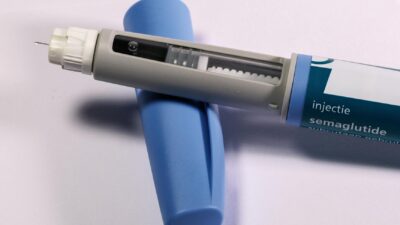
Brand-name semaglutide (Ozempic, Wegovy, Rybelsus) is not going away. What changed is the legal pathway for routine compounded semaglutide, which narrowed when the FDA declared the semaglutide shortage resolved in 2024-2025. Some telehealth platforms stopped offering compounded semaglutide; others pivoted to alternatives. The brand-name drugs remain FDA-approved, widely available, and supported by manufacturer programs.
What’s Actually Happening
The “is semaglutide going away” question typically reflects confusion about three separate things:
- Brand-name semaglutide: still available, fully approved, actively manufactured by Novo Nordisk
- Compounded semaglutide via telehealth: availability narrowed after the FDA shortage declaration ended
- Generic semaglutide: not yet available; patents extend brand exclusivity into the late 2020s
If you’ve seen news headlines about telehealth platforms changing their offerings or the FDA cracking down on compounded GLP-1s, that’s about the second category — not about the brand-name drug going away.
The Shortage Timeline
Semaglutide was added to the FDA Drug Shortage List in 2022 due to overwhelming demand for both diabetes and weight-loss indications. During an FDA-declared shortage, compounding pharmacies are allowed under federal law to produce essentially copies of the brand-name drug to meet patient needs. This is the legal mechanism that supported widespread compounded semaglutide availability through 2022-2024.
Novo Nordisk significantly expanded manufacturing capacity for semaglutide during 2023-2024. By late 2024, the FDA declared the semaglutide shortage resolved. This declaration removed the legal basis for routine compounding under the shortage exception.
| Period | Compounded Semaglutide Status |
|---|---|
| 2022-2024 | Widely available via telehealth under FDA shortage exception |
| Late 2024 / Early 2025 | FDA declared shortage resolved; transition period began |
| Mid-2025 onward | Routine compounding pathway closed; narrow exceptions only |
What Remains Legal for Compounding
FDA rules still permit compounding semaglutide in specific situations:
- Patient-specific allergies: if a patient has documented allergy to an excipient in brand-name semaglutide, a compounding pharmacy can produce a version without that excipient
- Dose strengths not commercially available: if a patient needs a dose that doesn’t match brand-name pen strengths
- Pediatric or veterinary needs: specific situations where brand-name product is not suitable
These exceptions are narrower than the shortage-period rules and require legitimate medical justification.
FDA Enforcement
The FDA has stepped up enforcement against:
- Telehealth platforms marketing compounded GLP-1s with misleading efficacy or safety claims
- Compounding pharmacies using semaglutide salt forms (sodium, acetate) that are not the same as the active ingredient in approved products
- Products with non-approved additives marketed as enhancements
- Products sold without legitimate prescriber relationships
Patients should verify their compounding pharmacy is state-licensed, the prescription comes from a legitimate prescriber relationship, and the product label clearly identifies all ingredients.
What About Tirzepatide?
Brand-name tirzepatide (Mounjaro, Zepbound) is also not going away — both remain FDA-approved and actively manufactured by Eli Lilly. The compounded tirzepatide situation parallels semaglutide. The FDA declared the tirzepatide shortage resolved in late 2024, narrowing the legal pathway for routine compounded production. Some compounding pharmacies and telehealth platforms continue producing compounded tirzepatide under specific exceptions.
Will There Be Generic Semaglutide?
Generic semaglutide is not expected before the late 2020s. Novo Nordisk holds patents on:
- The semaglutide molecule itself
- The specific peptide modifications that extend its half-life
- The delivery devices (pens) and formulation excipients
- Manufacturing processes
Patent expiration dates vary by jurisdiction and patent type. Generic competition will eventually arrive but is several years away in the US market. Until then, brand-name semaglutide remains the only FDA-approved option.
If You Use Compounded Semaglutide Currently
If you’ve been using compounded semaglutide and are concerned about access:
- Confirm with your current provider: are they still able to compound semaglutide for you under current FDA rules?
- Explore brand-name access: insurance coverage, manufacturer savings cards, patient assistance programs
- Consider alternatives: tirzepatide (compounded or brand), generic liraglutide, or other GLP-1 options
- Verify pharmacy legitimacy: state licensing, FDA designation (503A vs 503B), product labeling
- Plan ahead for refills: don’t wait until the last dose to address access changes
The Bottom Line
Brand-name semaglutide (Ozempic, Wegovy, Rybelsus) is not going away — all three remain FDA-approved and widely available through retail pharmacies. The compounded semaglutide pathway narrowed in 2025 when the FDA declared the shortage resolved. Generic semaglutide is years away. If you currently use compounded semaglutide, discuss access continuity with your prescriber and consider transitioning to brand-name or alternative GLP-1 medications. Consult your prescriber for personalized guidance. For more on GLP-1 treatment options, see our hub.