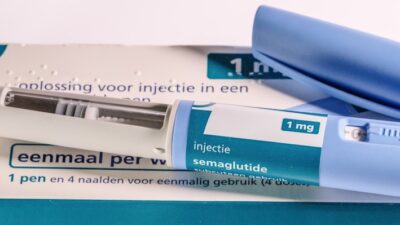
There is no official Wegovy diet. The FDA approval and Novo Nordisk’s prescribing information do not specify a particular eating pattern. The STEP-1 trial simply asked participants to reduce calorie intake by about 500 calories per day. That said, dietary choices significantly affect both weight loss results and side effect severity. The most effective patterns prioritize protein (to preserve muscle), smaller meals (to minimize nausea), and hydration (to support kidney function and GI comfort).
The Core Principles
Effective eating on Wegovy revolves around four ideas:
- Protein priority. Aim for 0.8-1.2 grams per kilogram of body weight daily. Protein preserves muscle during rapid weight loss.
- Portion management. Eat smaller meals more frequently. Stop when satisfied, not stuffed. Wegovy makes this easier by reducing appetite.
- Calorie-dense liquid avoidance. Sugary drinks, alcohol, and high-calorie beverages bypass the satiety mechanism Wegovy enhances.
- Hydration discipline. 8+ cups of water daily to support kidney function and reduce GI side effect severity.
What to Prioritize
High-protein foods (every meal):
- Lean meats (chicken breast, turkey, lean beef)
- Fish and seafood (salmon, tuna, shrimp, cod)
- Eggs and egg whites
- Greek yogurt and cottage cheese
- Legumes (lentils, chickpeas, black beans)
- Tofu and tempeh
- Protein powder (if needed to hit daily targets)
Vegetables (most meals):
- Leafy greens (spinach, kale, lettuce)
- Cruciferous vegetables (broccoli, cauliflower, brussels sprouts)
- Other low-calorie vegetables (peppers, cucumber, zucchini)
- Aim for half the plate at most meals
Complex carbs (moderate portions):
- Whole grains (oats, brown rice, quinoa, whole grain bread)
- Starchy vegetables (sweet potato, butternut squash)
- Beans and lentils (double-duty as protein + complex carbs)
Healthy fats (smaller portions):
- Olive oil, avocado, nuts and seeds
- Fatty fish (salmon, sardines)
- Keep portions reasonable — fats are calorie-dense and can worsen nausea in large amounts
What to Limit or Avoid
Sugary drinks: Sodas, juices, sweetened coffee drinks, sports drinks. These add hundreds of calories without triggering satiety. A 20-oz soda is roughly 240 calories — easily 10% of a daily intake for someone trying to lose weight.
Alcohol (in excess): Alcohol calories are easy to overconsume, reduce inhibition around food, and can worsen GI side effects. Moderate intake (1 drink/day for women, 2 for men) is typically tolerated; binge drinking is counterproductive.
Large fried or fatty meals: Fast food burgers, fried chicken, deep-fried appetizers. These commonly trigger severe nausea on Wegovy due to slowed gastric emptying combined with high fat content.
Hidden snacking: Tasting while cooking, finishing kids’ plates, eating from the bag. These add calories without conscious tracking.
Meal Timing Considerations
Wegovy slows gastric emptying, so meals stay in your stomach longer than usual. This has practical implications:
- Smaller meals are better tolerated than large ones
- Eating before bed may cause heartburn or reflux
- Sitting upright after meals reduces reflux risk
- Spacing meals 3-4 hours apart often works better than larger meals farther apart
Managing Side Effects Through Diet
For nausea:
- Smaller, more frequent meals
- Bland foods during peak nausea days (toast, rice, bananas)
- Ginger or peppermint tea
- Avoid greasy, spicy, or strong-smelling foods
- Stay upright after eating
For constipation:
- Gradual fiber increase (sudden increase worsens GI symptoms)
- Adequate hydration (8+ cups daily)
- Soluble fiber (oats, beans, fruit) and insoluble fiber (whole grains, vegetables)
- Walking after meals
For diarrhea:
- Identify trigger foods (often dairy, high-fat, artificial sweeteners)
- Maintain electrolytes
- BRAT diet (bananas, rice, applesauce, toast) during acute episodes
- Probiotic foods (yogurt, kefir) once symptoms ease
Sample Day on Wegovy
Example pattern (adjust portions to your needs):
| Meal | Example | Approximate calories / protein |
|---|---|---|
| Breakfast | 2 eggs scrambled with spinach, 1 slice whole grain toast | ~300 cal / 20g protein |
| Mid-morning snack | Greek yogurt with berries | ~150 cal / 15g protein |
| Lunch | Grilled chicken salad with mixed greens and vinaigrette | ~400 cal / 30g protein |
| Afternoon snack | Apple with 1 tbsp almond butter | ~180 cal / 4g protein |
| Dinner | Baked salmon, roasted vegetables, small portion brown rice | ~500 cal / 35g protein |
| Total | — | ~1,530 cal / 104g protein |
For a 175-pound person, this hits ~104g protein (matches 1.2 g/kg body weight target) within a moderate calorie target. Adjust based on your specific weight loss rate, hunger, and tolerance.
Hydration Specifics
Aim for 8+ cups of water daily. Add electrolytes (sodium, potassium, magnesium) if you’re sweating heavily or experiencing diarrhea. Avoid calorie-dense beverages as your hydration source — water, unsweetened tea or coffee, and sparkling water work well.
Supplements to Consider
Discuss with your prescriber whether you’d benefit from:
- Multivitamin (covers gaps during lower-calorie eating)
- Vitamin D (often low; deficiency affects muscle and bone)
- Calcium (especially if dairy intake is limited)
- Omega-3 (especially if not eating fish regularly)
- Protein powder (if dietary protein targets are hard to hit)
The Bottom Line
There is no official Wegovy diet, but eating choices significantly affect results. Prioritize protein (0.8-1.2 g/kg body weight), eat smaller meals, avoid sugary drinks and excess alcohol, and stay well-hydrated. Diet management also affects side effect severity — smaller, lower-fat meals minimize nausea. Consult a registered dietitian if you want personalized planning. For more on diet and nutrition, see our hub.